A Road Trip Lover's Guide to the Great American Scenic Byways
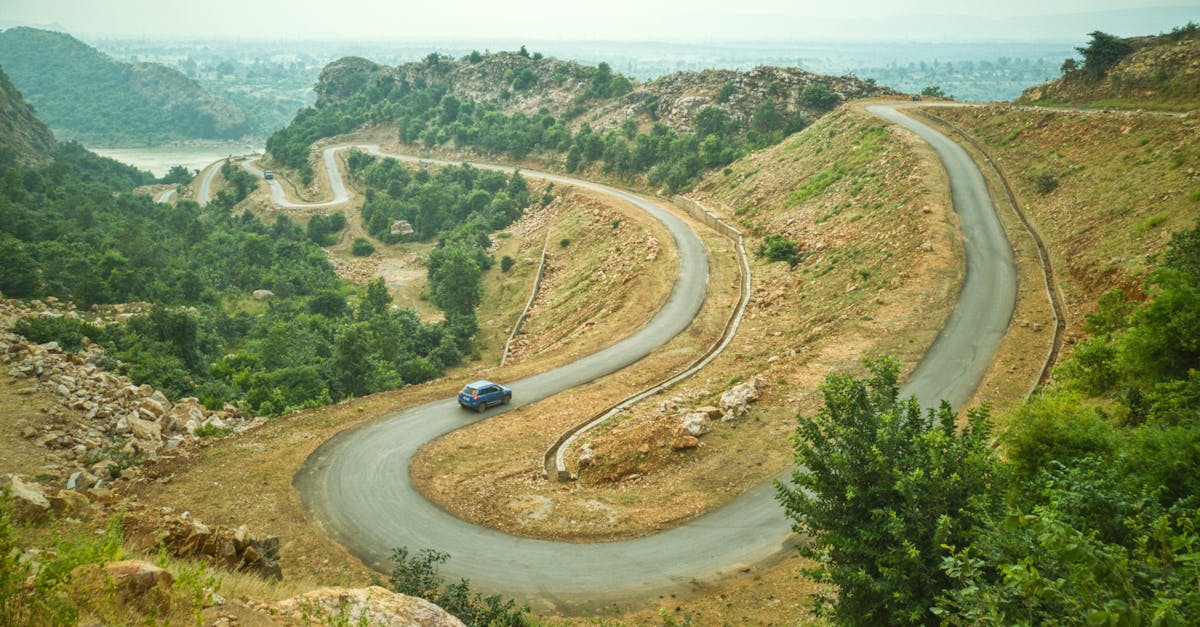 This photo was taken by MANAS PALKAR on Pexels.
There is a unique magic in the United States that unfolds only when you trade the safety of an airplane seat for the open road. From the sun-drenched curves of California's Pacific Coast Highway to the rugged, snow-capped peaks of Colorado's Million Dollar Highway, our nation's Scenic Byways offer more than just transportation; they are living postcards of America's diverse landscapes. Whether you dream of salt-sprayed ocean views or the crisp air of mountain passes, this guide is your passport to the ultimate adventure. Get ready to pack your bags and hit the gas as we explore the best routes, uncover hidden gems off the beaten path, and share the essential tips you need to plan a safe and unforgettable journey across the Great American Road.
Choosing Your Route: From Coastal Drives to Mountain Passes
For those who crave the rhythmic hum of tires on asphalt and the endless horizon, America's coastal byways offer an unparalleled journey where the Pacific or Atlantic Ocean serves as your constant companion. Whether you are tracing the winding curves of California's Highway 1, known for its dramatic cliffs and misty redwoods, or navigating the sun-drenched allure of Florida's Overseas Highway that connects a string of tropical keys, these routes promise a sensory feast. The air here is thick with the scent of salt and pine, inviting you to pull over at hidden coves for spontaneous swims or stop at bustling boardwalks for fresh seafood, ensuring that every mile feels like a new discovery along the water's edge.
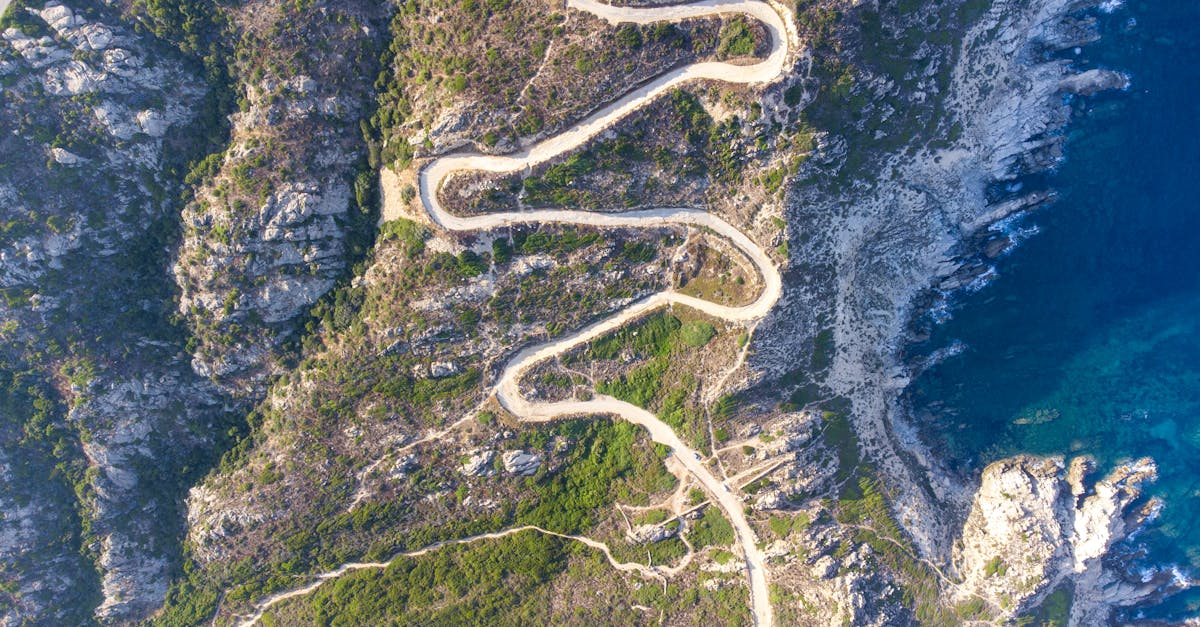
In stark contrast, if your spirit yearns for rugged grandeur and high-altitude serenity, the mountain passes provide a thrilling ascent into the heart of the continent's most majestic landscapes. Cruising through the Rocky Mountains via Trail Ridge Road in Colorado or tackling the legendary Going-to-the-Sun Road in Glacier National Park transforms a simple drive into an epic adventure among towering peaks and alpine lakes. These scenic corridors demand your full attention as they twist through ancient forests and past glacial valleys, rewarding patient drivers with panoramic vistas that seem to stretch into eternity, proving that the true magic of a Great American road trip often lies in the breathtaking heights you reach along the way.
 This photo was taken by Tom on Pexels.
Essential Stops and Hidden Gems Along the Byways
No journey along America's scenic byways is complete without pausing at its most iconic waypoints, which serve as gateways to the nation's diverse landscapes. From the rugged cliffs of the Blue Ridge Parkway in Virginia and North Carolina to the sun-drenched vistas of Route 66 in Arizona, these designated routes offer more than just a drive; they provide a curated experience of American history and natural beauty. Essential stops like the historic towns of Sedona or the panoramic overlooks of the Natchez Trace Parkway allow travelers to immerse themselves in local culture, savor regional cuisines, and capture memories that define the spirit of the open road.
Beyond the famous landmarks lie the true treasures: hidden gems tucked away on lesser-traveled loops that reward the curious explorer with solitude and surprise. Seek out the ghostly silence of the Moonshine Trail in Appalachia, where ancient forests whisper tales of the past, or detour onto the winding roads of Oregon's Santiam Canyon to discover secluded waterfalls and vibrant wildflower meadows unseen by the masses. These off-the-beaten-path destinations often feature charming roadside attractions, family-owned diners serving comfort food, and breathtaking views that remain untouched by commercialization, ensuring your road trip feels uniquely personal and authentically American.
 This photo was taken by This And No Internet 25 on Pexels.
Planning Your Journey: Best Times to Travel and Safety Tips
Timing is everything when embarking on a journey along the Great American Scenic Byways, as the seasons dramatically transform the landscape from the red rock canyons of Utah to the lush greenery of the Blue Ridge Parkway. For the most vibrant foliage and mild temperatures, late spring (May-June) and early autumn (September-October) are universally ideal, offering comfortable driving conditions and fewer crowds compared to the peak summer months. However, if you seek solitude and dramatic winter snowscapes, regions like the North Cascades or the Rockies in December offer a magical, albeit challenging, experience that requires careful scheduling to avoid seasonal road closures.
Safety remains paramount while traversing these remote routes, where cell service can be sporadic and wildlife crossings are common. It is essential to download offline maps before departure and always carry a physical emergency kit with water, non-perishable food, and a first-aid supply, especially for longer stretches through national parks. Additionally, drivers should strictly adhere to posted speed limits, which often drop significantly near scenic pull-offs, and remain vigilant for deer and elk, particularly at dawn and dusk, ensuring that your adventure remains a memorable celebration of America's natural beauty rather than a hazardous ordeal.
 This photo was taken by Bluehouseskis on Pexels.