Architecture Marvels: Iconic Skyscrapers and Historic Buildings to Admire
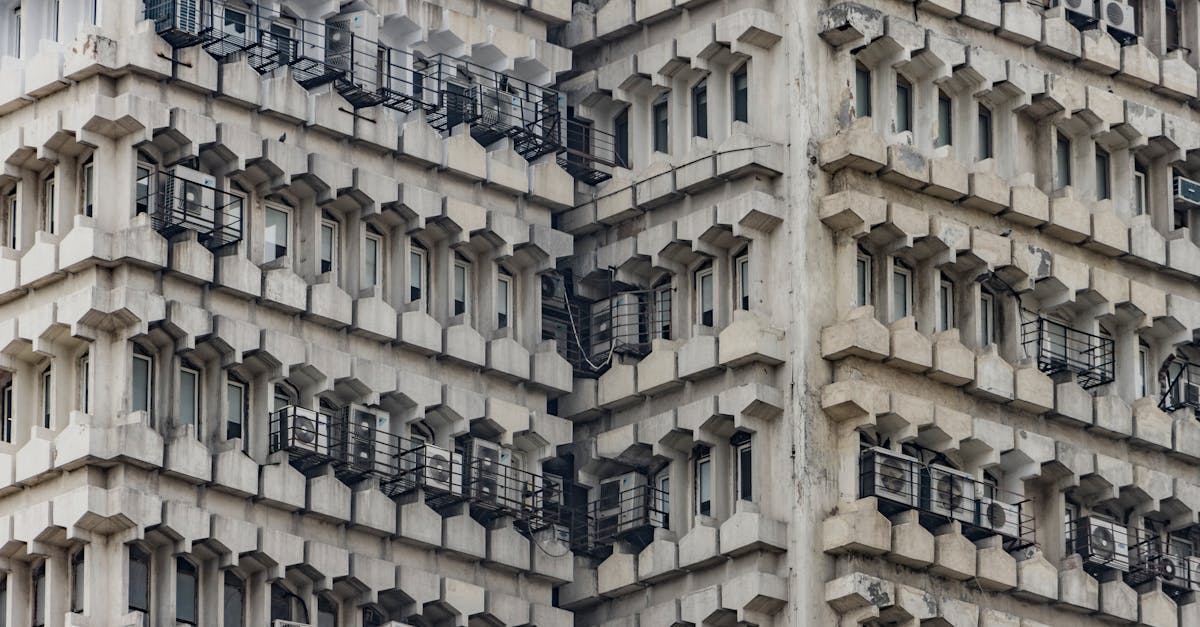 This photo was taken by Shantum Singh on Pexels.
Welcome to the United States, a nation where the skyline tells a story of ambition, innovation, and timeless elegance. From the soaring steel giants that pierce the clouds in Manhattan to the pioneering structures that defined an era in Chicago, our architectural landscape is nothing short of spectacular. Whether you are captivated by the neoclassical grandeur of the nation's capital or the sleek modernity of today's urban centers, America offers a visual journey through history and design. Join us as we explore these iconic skyscrapers and historic buildings, uncovering the secrets behind the structures that have shaped the American identity.
New York City: A Skyline of Steel and History
New York City stands as the ultimate testament to human ambition, where a jagged skyline of steel and glass tells the story of a city that never sleeps. As you stroll through Manhattan, the Empire State Building rises majestically above the chaos, its Art Deco spire piercing the clouds like a beacon from the 1930s, while the modern curves of One World Trade Center honor resilience and rebirth just blocks away. Walking beneath these giants offers a unique perspective on urban evolution; from the grand Beaux-Arts columns of Grand Central Terminal to the soaring Gothic Revival pinnacles of the Woolworth Building, every structure whispers tales of industrial might and architectural innovation that transformed a small island into the world's most iconic metropolis.
Beyond the gleaming towers, New York's historic buildings provide a rich tapestry of the past, inviting visitors to step back in time while surrounded by contemporary energy. Explore the cobblestone streets of Greenwich Village, where brownstones and row houses have stood for over a century, or wander through the Financial District to marvel at the Federal Hall National Memorial, where George Washington was inaugurated. These preserved gems are not merely static monuments but living parts of the city's fabric, seamlessly blending with the bustling subway stations and vibrant street life. Whether you are gazing up at the intricate limestone details of the Chrysler Building or finding quiet reflection in the shadow of St. Patrick's Cathedral, New York offers an unparalleled architectural journey that celebrates both its storied history and its relentless march toward the future.
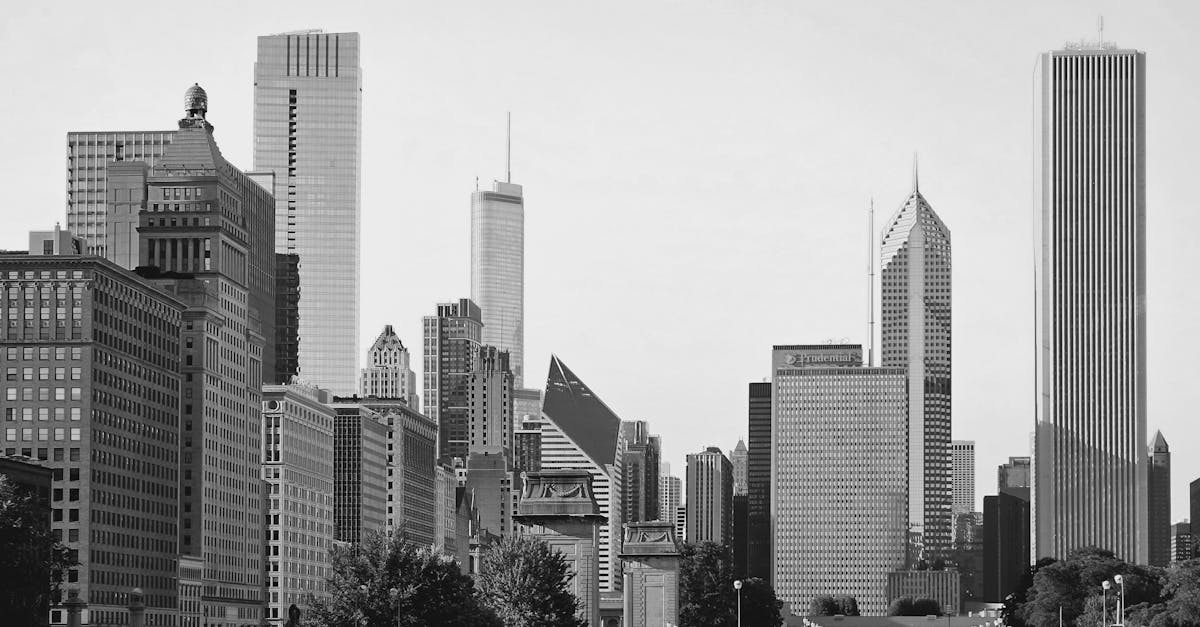
 This photo was taken by Candid Flaneur on Pexels.
Chicago's Windy City Legacy: Birthplace of the Skyscraper
Stepping onto the streets of Chicago feels like walking through an open-air museum of architectural evolution, where the very skyline that defines the American metropolis was forged in the ashes of the Great Fire of 1871. It was here that visionary engineers and architects, desperate to rebuild on a limited footprint with fire-resistant materials, pioneered the steel-frame construction technique that would revolutionize building design globally. The city's legacy as the birthplace of the skyscraper is not merely a historical footnote but a living testament to human ingenuity, transforming what was once a flat prairie into a vertical forest of glass and steel that redefined the urban landscape forever.
Today, visitors can trace this monumental journey by admiring the iconic structures that launched the movement, from the pioneering Home Insurance Building—widely considered the first skyscraper—to the timeless elegance of the Art Deco Tribune Tower and the modernist masterpiece of the John Hancock Center. Each building tells a story of innovation, reflecting the city's resilience and its role as a laboratory for structural engineering that allowed buildings to soar higher than ever before. As you wander through the Loop, you are not just observing static monuments; you are witnessing the enduring impact of a city that dared to reach for the clouds, setting the standard for skylines across the United States and beyond.
 This photo was taken by Yusuf Mahammed on Pexels.
Washington D.C.: Where Neoclassical Grandeur Meets Modern Design
Washington D.C. offers a breathtaking visual narrative where the solemnity of neoclassical architecture harmonizes with the sleek lines of modern design, creating a capital that feels both timeless and forward-thinking. As you wander past the gleaming white marble of the Capitol Building or stand beneath the soaring columns of the Lincoln Memorial, you are immersed in a 19th-century vision of democracy inspired by ancient Greece and Rome. Yet, this historic grandeur is punctuated by contemporary masterpieces like the National Museum of African American History and Culture, whose intricate bronze lattice façade casts dynamic shadows against the sky, proving that the city's architectural soul continues to evolve while honoring its storied past.
Beyond the monumental federal structures, the District's skyline tells a story of careful preservation and innovative urban planning, ensuring that no single building overshadows the nation's heritage. The juxtaposition is most striking in areas like the Penn Quarter and along the National Mall, where glass-and-steel towers rise gracefully behind centuries-old brick row houses, reflecting the changing face of American life. Whether you are admiring the brutalist geometry of the Supreme Court or the minimalist elegance of the new World War II Memorial, visitors will find that every corner of Washington D.C. invites reflection on how the United States balances its reverence for history with the bold aspirations of the future.
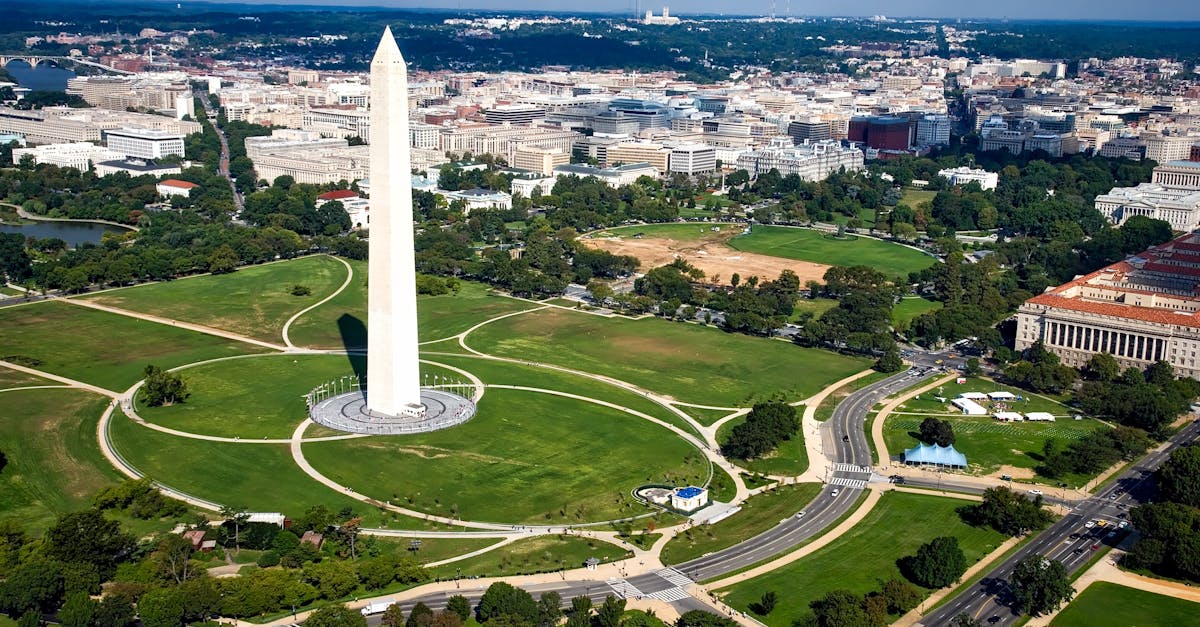 This photo was taken by Pixabay on Pexels.