Cultural Capitals: Exploring the Music, Art, and History of New Orleans and Nashville
 This photo was taken by Emmanuella Omonigho on Pexels.
Welcome to the heart of America's cultural soul, where two legendary cities stand as guardians of our nation's most vibrant artistic heritage. From the humid, jazz-infused air of New Orleans to the honky-tonk glow of Nashville, these destinations offer more than just a vacation; they provide an immersive journey through the very rhythms that shaped American history. Whether you are tracing the origins of the blues in the bayou or walking beneath the colorful murals of the French Quarter, or perhaps swapping stories with legends on Broadway and exploring the roots of country music, this guide will lead you through the sounds, sights, and stories that make the South unforgettable. Get ready to dance, listen, and discover the living legacy of the United States.
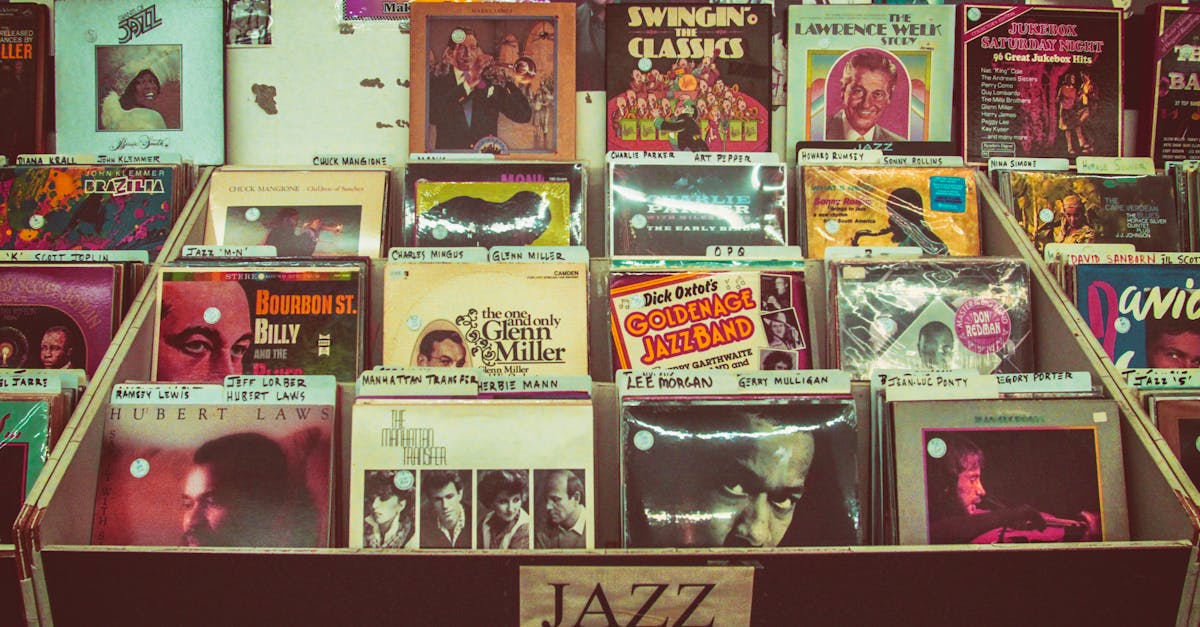
Jazz, Blues, and the Soul of the Bayou: New Orleans' Musical Legacy
At the heart of New Orleans beats a rhythm that has influenced music worldwide, born from a unique convergence of African, Caribbean, and European traditions. Walking through the French Quarter or down a quiet Congo Square street, you are immersed in a living history where jazz first emerged as a language of freedom and expression. From the spirited brass bands parading during Mardi Gras to the intimate, smoky corners of historic clubs like Preservation Hall, the city offers an auditory journey that feels both timeless and electric. Here, the improvisational spirit of jazz meets the raw, emotional storytelling of the blues, creating a soundscape that defines the very soul of the American South.
Beyond the famous streets lies the mysterious Bayou, where the music takes on a deeper, more haunting quality known as zydeco and swamp pop, rooted in the Cajun culture of Louisiana's wetlands. This region's musical legacy is not just about performance but about community, resilience, and the celebration of life despite hardship, echoing through the accordion-driven melodies and rhythmic stomps that fill local dance halls. For the traveler, experiencing this heritage means more than just attending a concert; it involves engaging with the local culture, tasting the food that fuels these long nights of dancing, and understanding how these genres have shaped the identity of the United States. New Orleans remains a sanctuary where the past breathes through every note, inviting visitors to listen closely to the enduring story of American music.
 This photo was taken by Mick Haupt on Pexels.
Honky Tonks, Bluegrass, and the Birthplace of Country: Nashville's Rhythmic Roots
Stepping into the heart of Nashville, you are immediately enveloped by the electric energy that defines Music City, a place where the neon glow of honky-tonks on Broadway signals the start of an unforgettable auditory journey. These legendary venues, pulsating with live music from dusk until dawn, serve as the modern-day saloons where aspiring musicians and seasoned legends alike take the stage to perform everything from traditional twang to contemporary country hits. The air is thick with the aroma of barbecue and the clinking of glasses, creating an immersive atmosphere where the spirit of American storytelling lives on through every strum of an acoustic guitar and every heartfelt ballad sung under the watchful eyes of adoring crowds.
Beyond the bustling entertainment district lies the profound historical significance of Nashville's role as the birthplace of country music, a legacy deeply rooted in the rich soil of bluegrass traditions. Visitors can trace these rhythmic roots at the Grand Ole Opry, the longest-running radio broadcast in history, or explore the Country Music Hall of Fame, which chronicles the evolution of the genre from its Appalachian origins to global stardom. Whether wandering through the historic streets where Dolly Parton and Johnny Cash once walked or attending an intimate session in a local studio, the city offers a tangible connection to the cultural tapestry that has shaped the soundscape of the United States for over a century.
 This photo was taken by Caique Araujo on Pexels.
From French Quarter Murals to Broadway Lights: A Journey Through Art and History
In the heart of New Orleans, history pulses through every cobblestone and canvas, beginning in the iconic French Quarter where vibrant murals tell stories of jazz legends, colonial struggles, and cultural fusion. Here, art is not confined to galleries but spills onto the streets, transforming alleyways into open-air museums that celebrate the city's unique Creole heritage. As you wander past wrought-iron balconies and listen to the distant sound of a brass band, you are immersed in a living tapestry where the visual arts and musical soul intertwine, offering a profound glimpse into a culture that has thrived for centuries despite its challenges.
Journeying northward to Nashville, the atmosphere shifts from the sultry, historic charm of the South to the electric energy of the Music City, where Broadway lights illuminate a skyline dedicated to the legacy of country music and modern innovation. The city's narrative is etched into the walls of the Grand Ole Opry and the Country Music Hall of Fame, yet it also embraces contemporary street art that reflects its evolving identity as a hub for diverse creativity. This dynamic blend of deep-rooted tradition and cutting-edge expression makes Nashville a perfect counterpart to New Orleans, completing a journey that showcases how two distinct cities can serve as guardians of America's rich artistic and historical legacy.
 This photo was taken by Loic Van Montagu on Pexels.