Cultural Diversity: Experiencing Native American Heritage
 This photo was taken by Erik Mclean on Pexels.
Welcome to a journey that goes far beyond the postcard landscapes of the United States. While our nation is often celebrated for its melting pot of modern cultures, the true heartbeat of this land lies in its Indigenous roots, stretching back thousands of years before borders were drawn. In this post, we invite you to explore the rich tapestry of Native American heritage, discovering how ancient wisdom continues to shape our present day. From tracing the footsteps of ancestors along historic trails to celebrating vibrant living traditions through art and festivals, we will delve into the depth and resilience of these communities. However, experiencing this profound culture requires more than just observation; it demands respect and understanding. Join us as we navigate the path of ethical tourism on tribal territories, ensuring that our travel supports preservation rather than exploitation.
Tracing Ancient Trails: A Journey Through Indigenous History
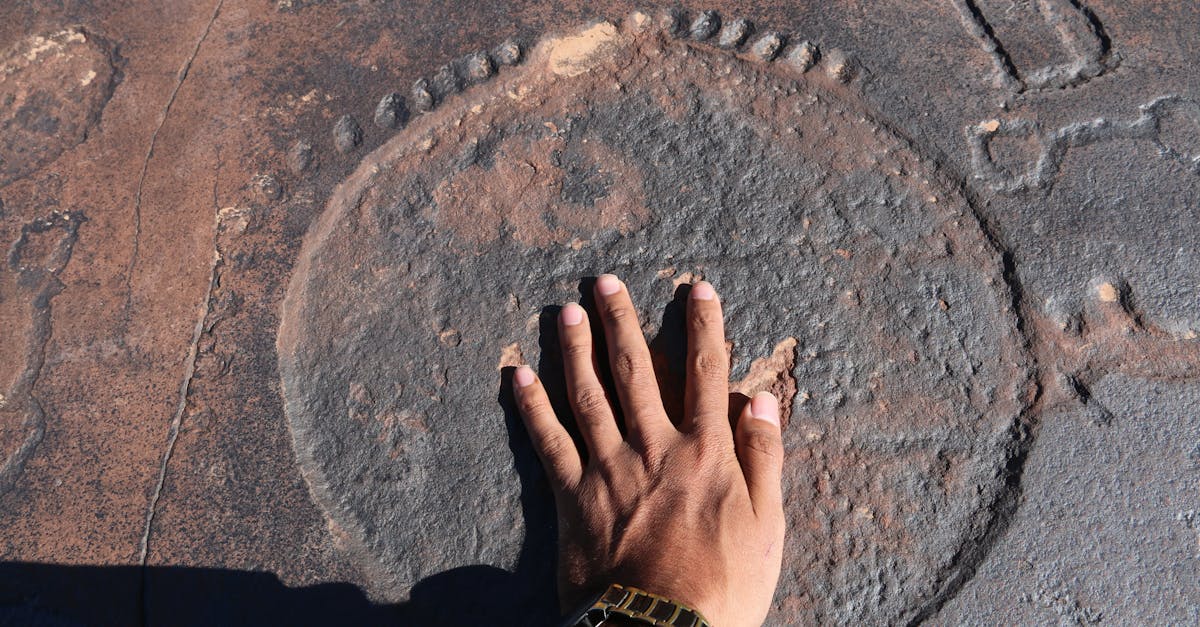
Embarking on a journey through the United States to trace ancient trails offers a profound connection to the land's original stewards, revealing layers of history that predate modern borders. From the petroglyphs etched into the red rocks of New Mexico to the intricate trade routes of the Pacific Northwest, these pathways tell stories of migration, trade, and spiritual significance that have been woven into the landscape for millennia. Visitors can explore sites like Chaco Canyon or walk sections of the historic Trail of Tears, gaining a deeper appreciation for the resilience and ingenuity of Indigenous nations who shaped the continent long before its current map was drawn.
Today, experiencing Native American heritage goes beyond observation; it is an immersive engagement with living cultures that continue to thrive and preserve their traditions. Many national parks and tribal lands now offer guided tours led by Indigenous historians, where travelers can learn about traditional crafts, listen to oral histories, and understand the enduring relationship between people and the environment. By supporting tribal tourism initiatives and respecting sacred spaces, visitors not only enrich their own travel experience but also contribute directly to the preservation of these vital cultural legacies for future generations.
 This photo was taken by AYOUB ZAID on Pexels.
Living Traditions: Celebrating Native Arts and Festivals
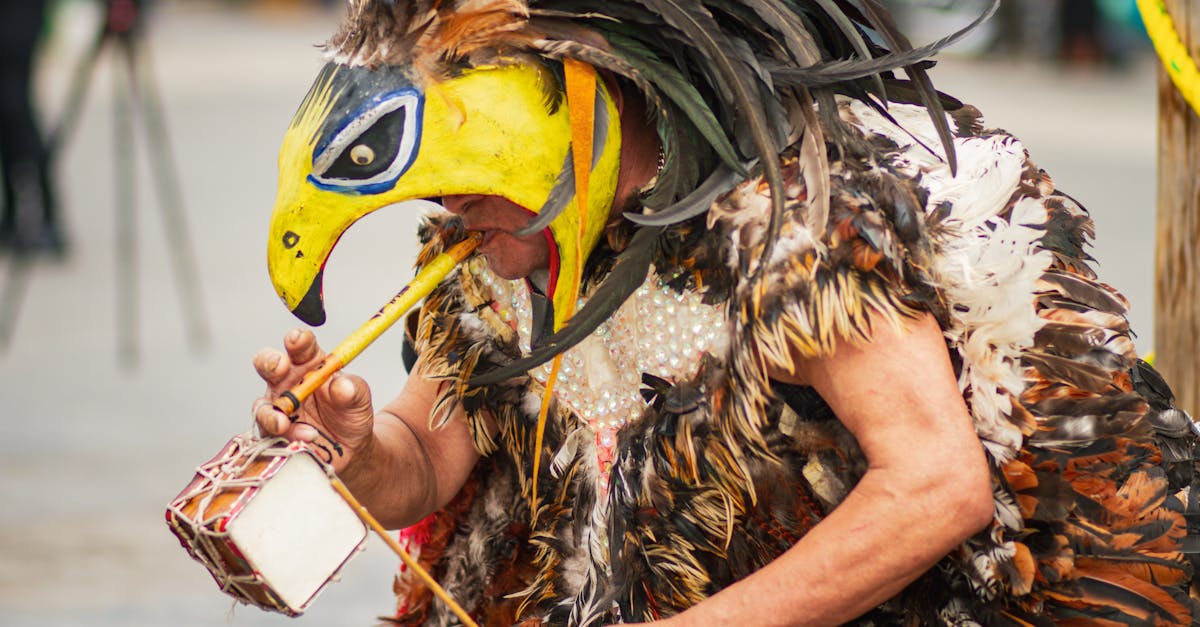
Immerse yourself in the vibrant tapestry of Native American heritage by attending one of the many powwows held across the United States, from the Sundance Festival in South Dakota to the Gathering of Nations in Albuquerque. These celebrations are not merely performances but living expressions of identity, where rhythmic drumming and intricate regalia tell ancient stories of resilience and community. As you watch dancers execute traditional steps with precision and grace, you witness a dynamic culture that honors its ancestors while thriving in the modern world, offering visitors an authentic glimpse into spiritual traditions that have been passed down through generations.
Beyond the festival grounds, the spirit of Native arts continues to flourish in galleries and markets found in regions like New Mexico's Taos Pueblo or Arizona's Hopi lands, where artisans craft pottery, jewelry, and textiles using techniques rooted in centuries-old knowledge. Engaging with these creators provides more than just a souvenir; it fosters a meaningful connection to the land and the people who steward it, allowing travelers to understand the deep symbolism woven into every bead and brushstroke. By supporting these indigenous enterprises, tourists contribute directly to the preservation of cultural practices, ensuring that these living traditions remain a vital and celebrated part of America's diverse landscape.
 This photo was taken by Estrella Josento on Pexels.
Respecting Sacred Lands: Ethical Tourism on Tribal Territories
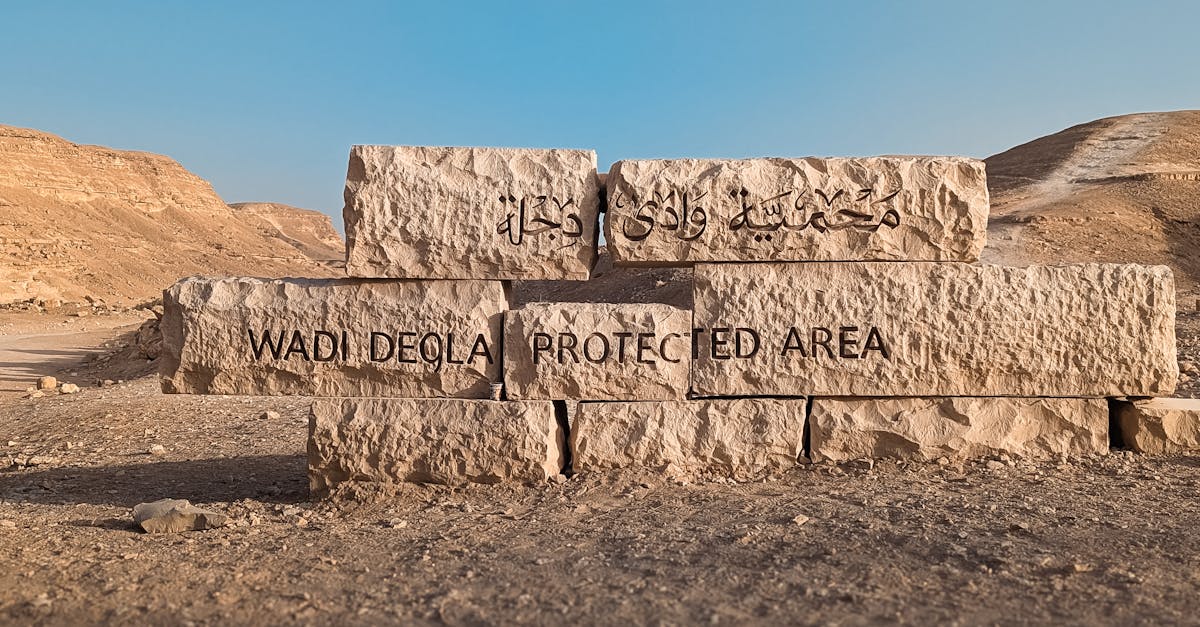
When visiting Tribal Territories across the United States, it is essential to recognize that these are not merely tourist attractions but living, breathing communities with deep spiritual connections to their land. Many sites hold profound sacred significance, and ethical tourism requires approaching these spaces with humility, silence, and a genuine desire to learn rather than simply consume. Visitors should always seek permission before entering restricted areas, adhere strictly to photography bans where they exist, and understand that certain ceremonies or locations may be off-limits to outsiders regardless of ticket purchases.
To truly honor Native American heritage, travelers must prioritize businesses owned by Indigenous people and engage with guides who are members of the specific tribe being visited, ensuring that economic benefits remain within the community. This approach fosters a respectful exchange where cultural narratives are shared authentically on the tribe's own terms, helping to dismantle stereotypes and preserve traditions for future generations. By committing to these principles of respect and consent, tourists can transform their journey into a meaningful act of solidarity that supports the sovereignty and cultural vitality of Native nations throughout the country.
 This photo was taken by Abu Bakar Siddique on Pexels.