Cultural Immersion: Native American Heritage Sites and Museums
 This photo was taken by Erik Mclean on Pexels.
Welcome to a journey that goes beyond the postcard views of our nation's most iconic landscapes. The United States is a land woven from countless threads of history, and few stories are as profound or as vibrant as those of Native American peoples. From the bustling halls of Washington, D.C., to the remote deserts of the Southwest, this guide invites you to step into a world where ancient traditions meet contemporary life. Whether you are walking through history at the National Museum of the American Indian, seeking living traditions through interactive experiences at tribal cultural centers, or discovering must-visit museums dedicated to indigenous art and storytelling, you are about to embark on a path of deep understanding and respect. Let us explore these sacred spaces together and discover the enduring voices that have shaped America.
Walking Through History at the National Museum of the American Indian
Stepping into the National Museum of the American Indian in Washington, D.C., is less like entering a traditional gallery and more like walking through a living landscape that honors over 500 distinct Indigenous cultures. The architecture itself tells a story before you even see an artifact, with its curved, sandstone-like exterior designed to mimic natural rock formations and reflect the deep spiritual connection Native peoples have held with the earth for millennia. Inside, visitors are greeted by warm, earthy tones and open spaces that encourage reflection rather than hurried observation, creating an immersive atmosphere where the voices of past and present generations resonate through powerful exhibits spanning thousands of years of history.
What truly sets this institution apart is its commitment to presenting history from an Indigenous perspective, allowing Native communities to share their own narratives, art, and traditions on their own terms. From intricate beadwork and ceremonial regalia to contemporary multimedia installations addressing modern challenges, the museum offers a profound journey through resilience, creativity, and cultural continuity. As you wander through these halls, you gain not just knowledge but a deeper appreciation for the enduring spirit of America's first inhabitants, making it an essential stop for any traveler seeking authentic cultural immersion within the United States.
 This photo was taken by Golden Jojo on Pexels.
Living Traditions: Interactive Experiences at Tribal Cultural Centers
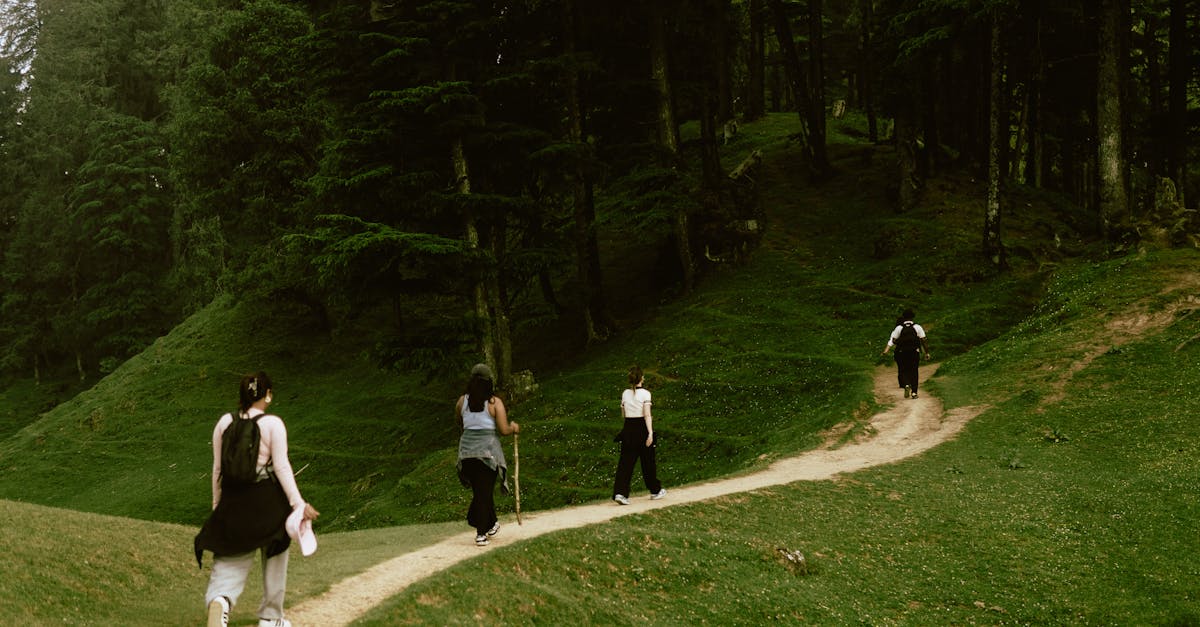
Step beyond the static displays of history and immerse yourself in the vibrant, living pulse of Native American communities at their dedicated cultural centers. Unlike traditional museums where artifacts are viewed through glass cases, these interactive spaces invite you to participate directly in the preservation of ancient customs. You might find yourself learning the intricate rhythms of a powwow dance from skilled instructors, trying your hand at basket weaving under the guidance of master artisans, or listening to elders share oral histories that have been passed down for generations. These experiences transform passive observation into active connection, allowing visitors to understand the resilience and continuity of Indigenous cultures in a deeply personal way.
Many tribal cultural centers also offer immersive culinary tours and storytelling sessions that highlight the profound relationship between the land and its people. As you taste traditional foods like frybread, bison stew, or wild rice prepared using age-old methods, you gain insight into the sustainable practices that have sustained these nations for millennia. Whether you are attending a ceremonial drumming circle or exploring a reconstructed village, these interactions foster a mutual respect and understanding that transcends mere tourism. By engaging with these living traditions, travelers leave not just with photographs, but with a renewed appreciation for the enduring spirit and rich heritage of America's First Nations.
 This photo was taken by Vincent Tan on Pexels.
Preserving Voices: Must-Visit Museums for Indigenous Art and Storytelling
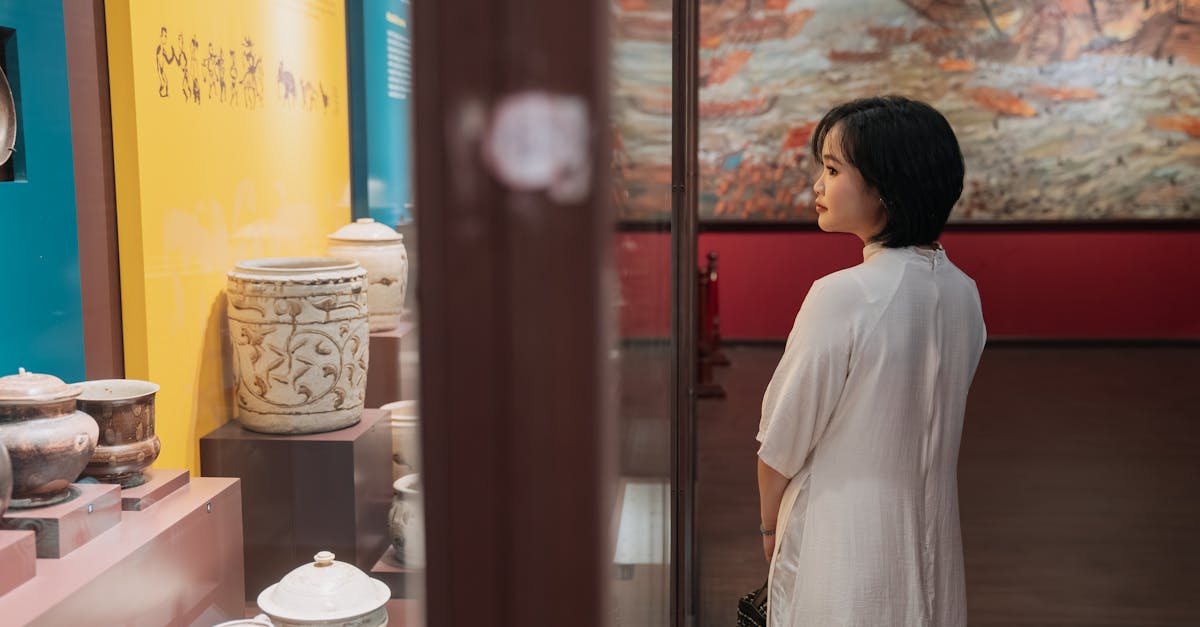
For travelers seeking a profound connection to the living history of the United States, visiting museums dedicated to Indigenous art and storytelling offers an unparalleled journey into resilience and creativity. Institutions like the National Museum of the American Indian in Washington, D.C., and the Smithsonian's National Museum of the American Indian on the National Mall provide immersive environments where visitors can witness intricate beadwork, powerful sculptures, and contemporary digital installations that challenge historical narratives. These spaces are not merely repositories of artifacts but vibrant community hubs where elders and artists share oral traditions, ensuring that the voices of Native peoples are heard with clarity and respect by future generations.
Beyond the capital, regional treasures such as the Heard Museum in Phoenix, Arizona, and the Pueblo Grande Museum in Albuquerque, New Mexico, offer deep dives into specific tribal cultures while highlighting shared themes of survival and adaptation across the continent. Here, guided tours often include interactive storytelling sessions and demonstrations of traditional crafts, allowing tourists to engage directly with the cultural keepers who have preserved these stories for millennia. By prioritizing these destinations, visitors do more than observe history; they participate in a dynamic exchange that honors the enduring spirit of Indigenous communities and fosters a deeper understanding of the rich tapestry that defines American heritage.
 This photo was taken by Huy Nguyễn on Pexels.