Cultural Immersion: Native American Heritage Sites to Visit
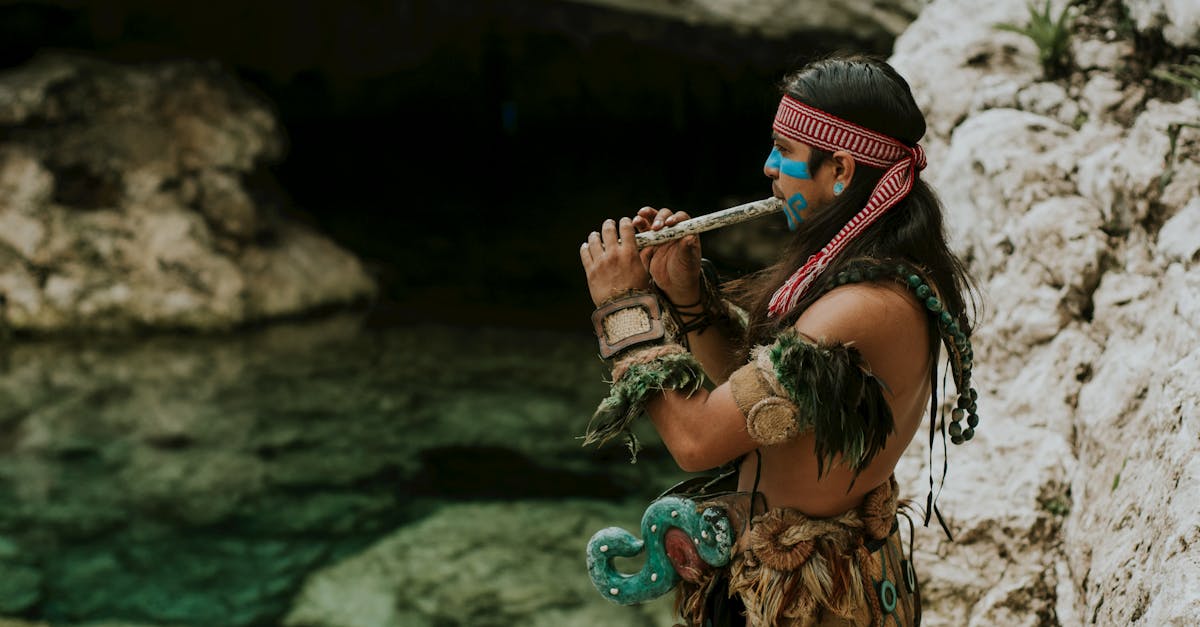 This photo was taken by Amar Preciado on Pexels.
Welcome to a journey that goes far beyond the typical postcard views of our nation. The United States is home to thousands of years of vibrant, living history, and nowhere is this more profound than in the rich tapestry of Native American heritage. From the sun-drenched mesas of the Southwest to the misty forests of the Pacific Northwest, these sacred lands offer a unique window into ancient traditions and enduring cultures. Whether you are seeking spiritual connection, historical insight, or simply a deeper understanding of the indigenous roots of America, this guide invites you to explore the sacred sites, walk through historic tribal centers, and experience living traditions that continue to thrive today. Let us begin this immersive adventure together.
Exploring the Sacred Lands of the Southwest
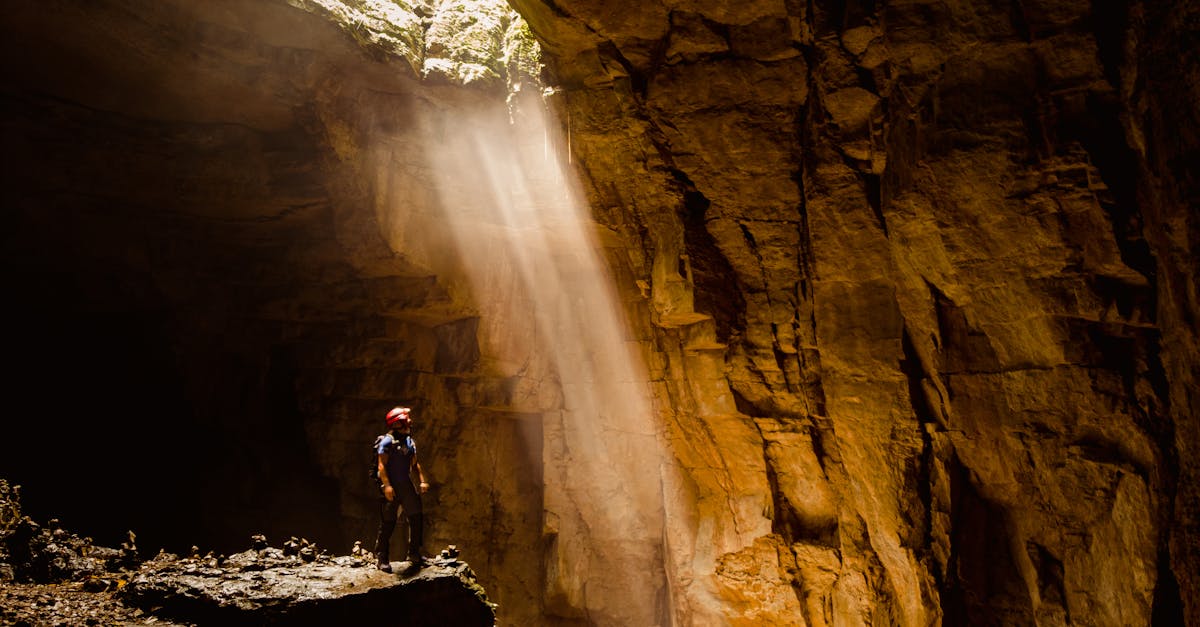
Embarking on a journey through the sacred lands of the American Southwest offers an unparalleled opportunity to connect with ancient traditions that have thrived for millennia. From the towering sandstone cliffs of Monument Valley, a place deeply revered by the Navajo Nation, to the intricate cliff dwellings of Mesa Verde in Colorado, these landscapes are not merely scenic backdrops but living museums of Indigenous history. Visitors can walk alongside guides from local tribes who share oral histories and spiritual insights, transforming a simple sightseeing trip into a profound cultural exchange that honors the resilience and wisdom of Native American peoples.
Beyond the iconic vistas, this region is dotted with ceremonial sites and pueblos where the rhythm of daily life remains intertwined with ancestral customs. In places like Taos Pueblo, one of the oldest continuously inhabited communities in North America, travelers can witness the enduring craftsmanship of adobe architecture and participate in seasonal festivals that celebrate the cycles of nature. By approaching these heritage sites with respect and curiosity, tourists contribute to the preservation of these vital cultural landmarks while gaining a deeper appreciation for the rich tapestry of Native American identity that defines the spirit of the Southwest.
 This photo was taken by Heber Vazquez on Pexels.
Walking Through History at Northeastern Tribal Centers
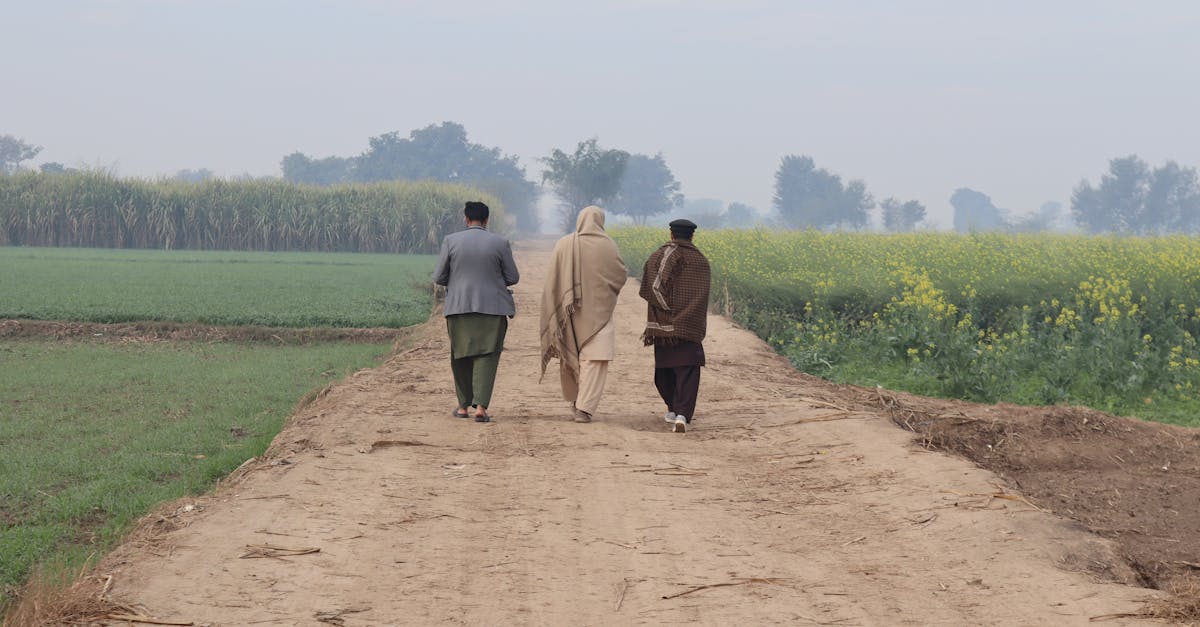
Step into the living legacy of the Northeast by visiting tribal centers that serve as vibrant hubs for cultural preservation and education. From the Haudenosaunee (Iroquois) Confederacy's historic longhouses in upstate New York to the Wampanoag communities in Massachusetts, these sites offer a profound glimpse into centuries-old traditions that continue to thrive today. Visitors can engage with knowledgeable guides who share stories of resilience, explore authentic crafts like beadwork and basketry, and witness ceremonial dances that connect the present generation with their ancestors. These experiences go beyond simple sightseeing; they provide an intimate understanding of how indigenous peoples have maintained their distinct identities despite historical challenges.
Many of these centers also host seasonal festivals and educational workshops designed to foster cross-cultural dialogue and mutual respect. Whether you are attending a traditional powwow, participating in a storytelling circle, or touring ancient burial grounds marked by subtle yet significant earthworks, you will find yourself immersed in a landscape rich with spiritual and historical depth. By supporting these tribal enterprises directly, travelers contribute to the sustainability of these vital institutions while gaining a nuanced appreciation for the enduring spirit of Native American heritage across the northeastern United States.
 This photo was taken by Dr Photographer on Pexels.
Experiencing Living Traditions in the Pacific Northwest
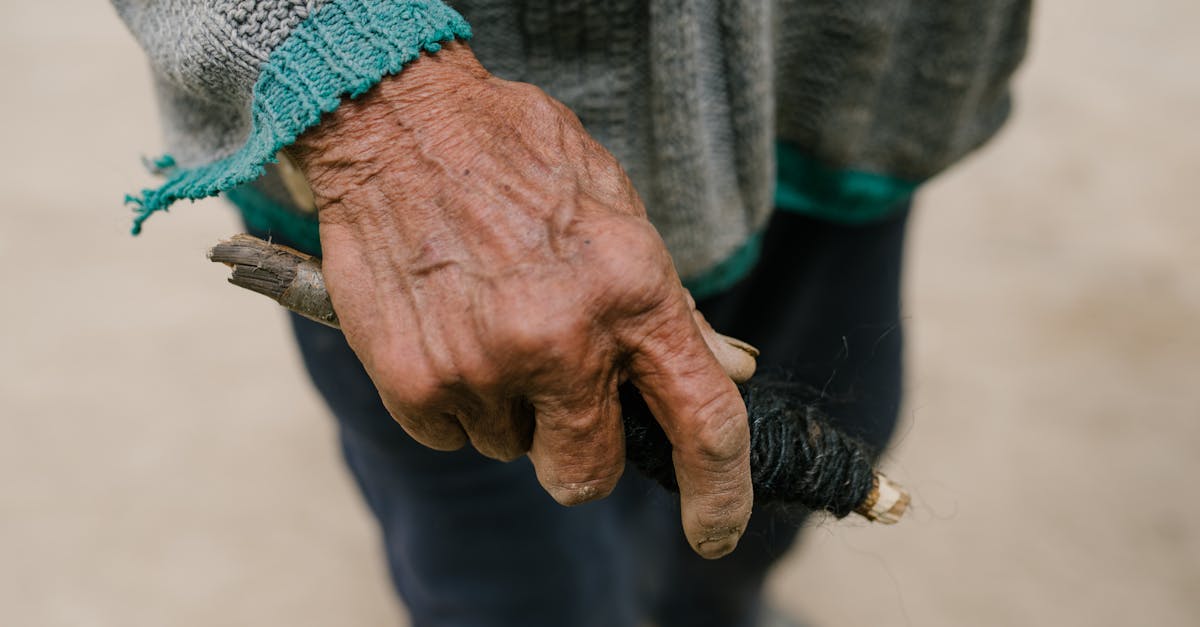
Immersing yourself in the living traditions of the Pacific Northwest offers a profound connection to cultures that have thrived along the coast and mountains for millennia. Visiting sites like the Makah Cultural & Research Center in Neah Bay or the Quinault Indian Museum allows travelers to witness the enduring artistry of totem pole carving, intricate basket weaving, and powerful cedar processing techniques that remain central to community life today. Unlike static historical exhibits, these experiences often feature demonstrations by master artisans who share stories passed down through generations, providing a vibrant glimpse into a worldview deeply rooted in the rhythm of the seasons and the abundance of the forest and ocean.
To truly honor these heritage sites, it is essential to approach your visit with respect and an open heart, recognizing that you are entering spaces where culture is actively practiced rather than merely preserved. Many tribal communities welcome visitors during special events such as potlatches, salmon runs, or seasonal festivals, offering opportunities to participate in traditional dances, taste authentic foods like cedar-plank salmon, and learn about the spiritual significance of the land directly from Indigenous guides. By engaging with these living traditions, you not only support local economies but also contribute to the ongoing narrative of Native American resilience and cultural continuity in the modern United States.
 This photo was taken by Julia Volk on Pexels.