Cultural Tapestry: Exploring Native American Heritage Sites
 This photo was taken by Erik Mclean on Pexels.
Welcome to the heart of America's story, a narrative woven with threads as old as time itself. While the United States is often celebrated for its modern skylines and bustling cities, its deepest roots lie in the rich and enduring legacy of Native American civilizations. From the sun-scorched mesas of the Southwest to the misty forests of the Pacific Northwest, this journey invites you to walk in the footsteps of ancestors and witness the vibrant resilience of contemporary tribes. As we explore these sacred landscapes, we move beyond static monuments to engage with living traditions that continue to shape our national identity. Join us as we uncover the profound history hidden within ancient cliff dwellings, honor the enduring spirit of modern indigenous communities, and discover how memorials across the nation are reshaping our understanding of the past.
Ancient Cliff Dwellings: A Journey Through Ancestral Pueblo History
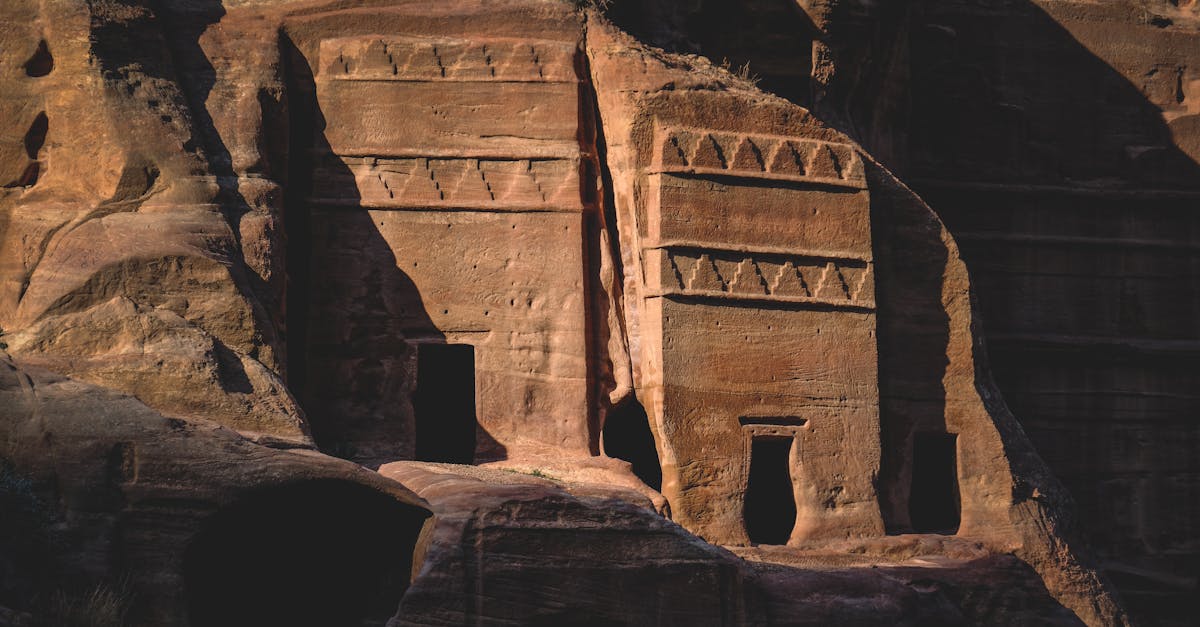
Step back in time as you explore the breathtaking cliff dwellings scattered across the American Southwest, where the Ancestral Pueblo people crafted intricate homes into sheer sandstone faces centuries ago. Sites like Mesa Verde in Colorado and Cliff Palace offer a stunning glimpse into a sophisticated civilization that thrived between 600 and 1300 AD, utilizing advanced masonry techniques to create multi-story complexes with hundreds of rooms, kivas, and ceremonial spaces. Walking these narrow pathways allows visitors to trace the footsteps of ancestors who adapted to a harsh desert environment, building terraced gardens and harvesting rainwater to sustain their communities high above the canyon floors.
A journey through these sacred sites is more than a historical tour; it is a profound connection to the living heritage of modern Native American tribes, many of whom are direct descendants of the Ancestral Puebloans. As you wander through the shadowed alcoves and gaze out over vast, arid landscapes, you gain a deeper appreciation for the spiritual significance these locations hold today, often serving as places of prayer and remembrance. Guided tours led by local experts provide essential context on daily life, agricultural practices, and the eventual migration patterns that shaped the region's cultural landscape, ensuring that the stories of these resilient builders continue to inspire future generations.
 This photo was taken by Francesco Ungaro on Pexels.
Sacred Lands and Living Traditions: The Resilience of Modern Tribes
From the mist-shrouded peaks of the Great Smoky Mountains to the arid canyons of the Southwest, Native American heritage sites offer more than just historical artifacts; they serve as vibrant testaments to enduring cultures that have thrived for millennia. Visiting these sacred lands, such as the Navajo Nation's Monument Valley or the Cherokee Heritage Center in Oklahoma, allows travelers to witness a living history where ancient traditions seamlessly blend with contemporary life. These spaces are not merely museums of the past but active communities where elders teach traditional crafts, languages, and spiritual practices to younger generations, ensuring that the wisdom of their ancestors remains a dynamic force rather than a static memory.
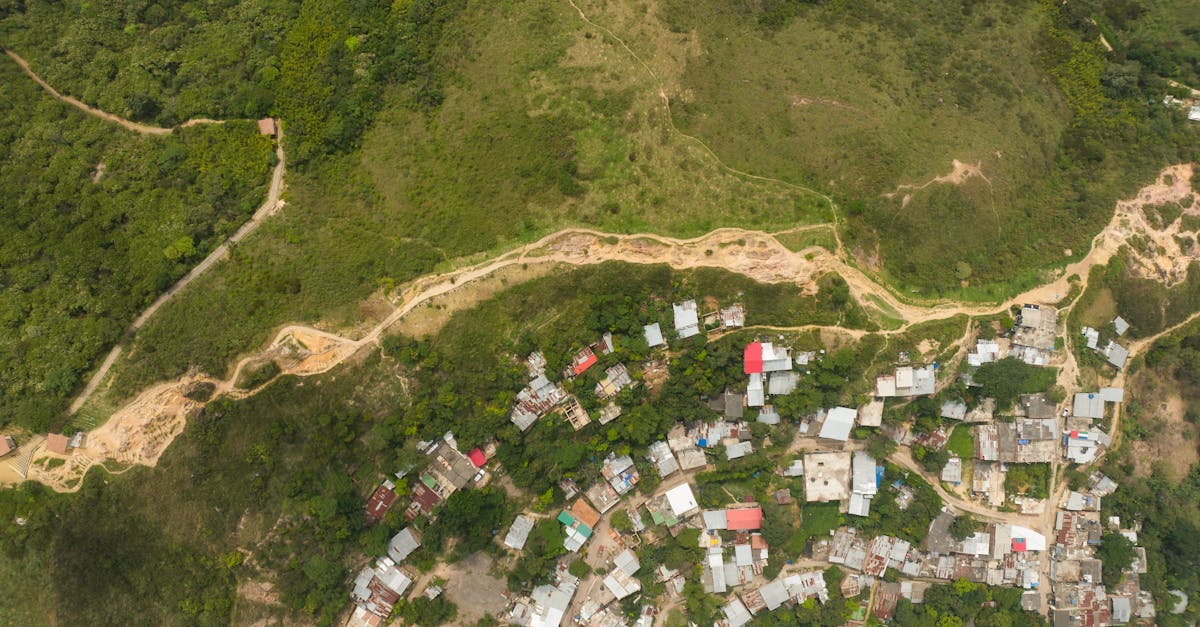
The resilience of modern tribes is evident in their ability to preserve their unique identities while navigating the complexities of the 21st century, creating a rich cultural tapestry that invites respectful engagement from visitors. Many tribal nations now manage their own tourism initiatives, offering immersive experiences like guided storytelling sessions, traditional dance performances, and hands-on workshops that provide deep insights into their worldview. By choosing to support these indigenous-led enterprises, tourists contribute directly to the economic vitality of these communities, fostering a meaningful exchange that honors the sovereignty and ongoing legacy of Native peoples across the United States.
 This photo was taken by K on Pexels.
From Monuments to Memorials: Honoring Indigenous Voices Across the Nation
Across the vast American landscape, from the towering statues in Washington D.C. to the sacred peaks of the Southwest, a profound shift is underway as we move beyond traditional monuments to embrace living memorials that honor Indigenous voices. Sites like the National Museum of the American Indian and the Black Hills Memorial in South Dakota are redefining how history is told, transforming static stone into dynamic spaces where Native elders share stories, ceremonies, and perspectives often marginalized for centuries. These destinations invite visitors to listen rather than just look, fostering a deeper understanding of the resilience and enduring legacy of over 570 federally recognized tribes whose cultures have shaped the nation's identity long before its founding.
Exploring these heritage sites offers more than a historical tour; it provides a chance to engage with communities actively preserving their languages, arts, and traditions against the odds. Whether walking through the interpretive trails at Chaco Culture National Historical Park or participating in workshops at tribal museums in Oklahoma, travelers witness the vibrant continuity of Native American life today. By prioritizing Indigenous leadership in curation and storytelling, these memorials challenge us to confront complex histories while celebrating the unbroken spirit of First Nations people, ensuring that their narratives remain central to the United States' cultural tapestry for generations to come.
 This photo was taken by Erik Mclean on Pexels.