Historic Routes: Walking in the Footsteps of Presidents and Pioneers
 This photo was taken by Loic Van Montagu on Pexels.
Welcome, travelers, to a journey through the very soul of America. Our nation's story is not just written in history books; it is etched into the soil, stone, and streets that we traverse every day. "Historic Routes: Walking in the Footsteps of Presidents and Pioneers" invites you to step off the beaten path and immerse yourself in the narratives that shaped our union. From the solemn corridors where Abraham Lincoln once walked across the Midwest to the rugged terrain of the Oregon Trail and the pivotal sites of the Civil Rights movement, this guide will lead you through the most significant chapters of American heritage. Whether you are tracing the presidential footprints at historic homes and battlefields or reflecting on the courage of those who fought for freedom, prepare to discover how the past comes alive under your feet.
The Trailblazing Journey: Following Lincoln's Path Through the Midwest
Embarking on the Trailblazing Journey through the Midwest offers an immersive dive into the formative years of Abraham Lincoln, a path that winds from the rugged frontier of Indiana to the bustling river towns of Illinois. Travelers can trace the humble beginnings in Hodgenville and the boyhood home in Pigeon Creek, where the future president learned resilience amidst the harsh realities of pioneer life. As you drive along historic routes like the Lincoln Highway or wander the cobblestone streets of Springfield, you will encounter preserved sites such as the Old State Capitol, where Lincoln debated slavery and delivered his famous "House Divided" speech, effectively connecting the raw spirit of the early American frontier with the political foresight that would eventually shape a nation.
This route is not merely a historical recitation but a living narrative of the American spirit, bridging the gap between the solitary struggles of pioneers and the collective destiny of a united country. From the quiet prairies of New Salem, where Lincoln worked as a surveyor and storekeeper, to the vibrant cityscape that grew around him, each stop reveals how the Midwest's vast landscapes influenced his character and leadership. By following these footsteps, visitors gain a profound appreciation for the man who guided the United States through its greatest crisis, understanding that his legacy was forged not just in the halls of power, but in the very soil of the heartland that shaped his vision for democracy.
 This photo was taken by Erik Mclean on Pexels.
Presidential Footprints: A Tour of Historic Homes and Battlefields
Embark on a journey through the very rooms where pivotal decisions were made and personal lives unfolded, starting with the stately homes that defined America's leadership. From the rustic simplicity of George Washington's Mount Vernon in Virginia to the sprawling elegance of Abraham Lincoln's home in Springfield, Illinois, these residences offer an intimate glimpse into the character of our nation's founders. Visitors can wander through period-furnished parlors, explore the study where the Emancipation Proclamation was drafted, and walk the grounds where these leaders balanced the burdens of office with family life, creating a tangible connection to the human side of history.
Beyond private estates, the landscape itself bears the scars and triumphs of the men who led during times of great upheaval. Walk the hallowed grounds of Gettysburg in Pennsylvania or Antietam in Maryland, where the echoes of Civil War battles still resonate against the rolling hills, offering a profound reflection on the cost of liberty. These battlefields are not merely open spaces but sacred sites where the fate of the Union was decided, allowing tourists to trace the strategic movements of generals and presidents alike. By standing where history was written, travelers gain a deeper appreciation for the resilience and vision that shaped the United States.
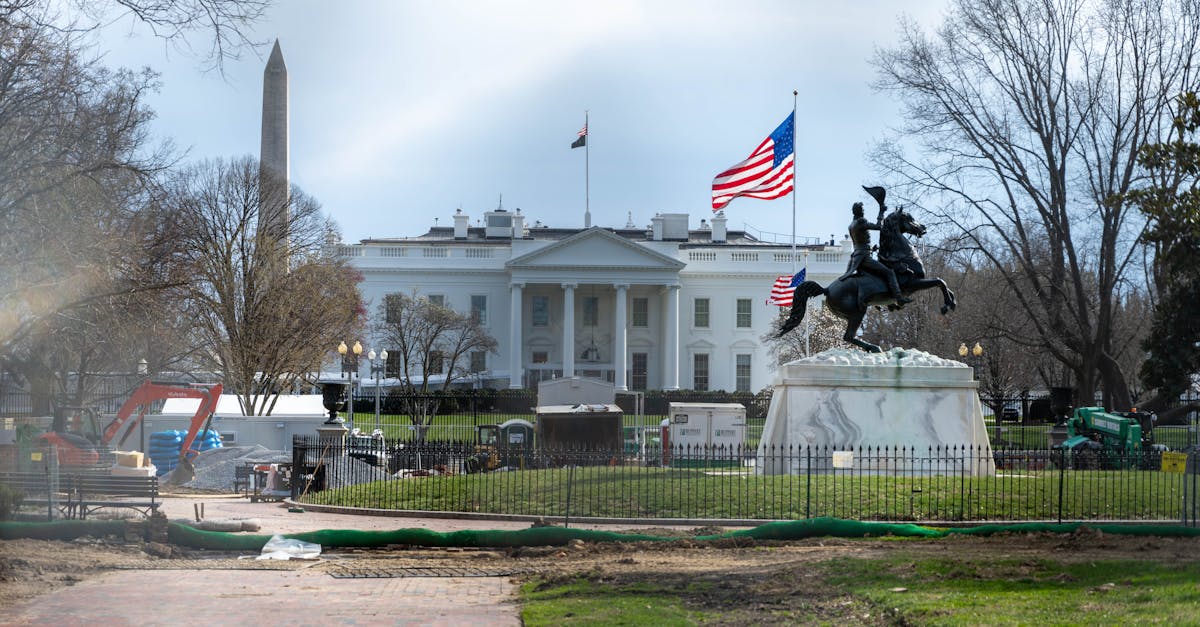 This photo was taken by Quang Vuong on Pexels.
From Frontier to Freedom: Exploring the Oregon Trail and Civil Rights Landmarks
Journeying westward along the historic Oregon Trail offers a visceral connection to the American spirit of exploration and resilience that defined the 19th century. From the rugged landscapes of Nebraska to the fertile valleys of Oregon, travelers can retrace the wagon ruts carved by pioneers who sought new beginnings in the frontier era. Today, museums like the Oregon Trail Museum in South Pass City and the Idaho State Historical Society provide immersive exhibits where you can see original artifacts, from broken axles to family journals, bringing the grueling six-month trek to life. This route is not merely a path of dirt and grass but a testament to the courage of those who left everything behind to build a nation on the edge of the unknown.
While the Oregon Trail celebrates the pioneering spirit, the United States also holds profound sites dedicated to the ongoing struggle for civil rights and equality that shaped modern freedom. Walking through Selma's Edmund Pettus Bridge or visiting the National Civil Rights Museum at the Lorraine Motel in Memphis allows visitors to confront the difficult yet essential chapters of American history. These landmarks serve as powerful reminders of the brave individuals who marched, spoke, and sacrificed to dismantle segregation and secure voting rights. By exploring these locations alongside the trails of the past, tourists gain a comprehensive understanding of how the nation evolved from a collection of isolated frontiers into a unified, albeit complex, democracy striving for liberty for all its citizens.
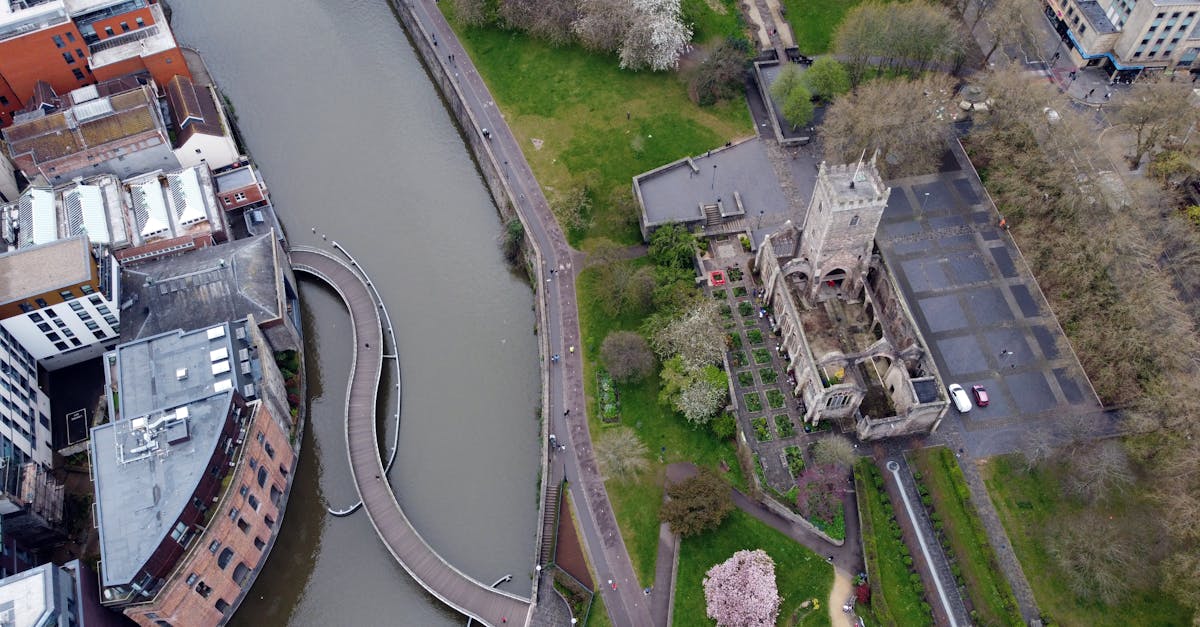 This photo was taken by Julien Goettelmann on Pexels.