Historic Trailblazers: Walking the Path of Lewis and Clark Today
 This photo was taken by Nomad Photographer on Pexels.
Welcome, fellow explorers! As we traverse the vast landscapes of the United States, few stories capture the spirit of adventure and discovery quite like the epic journey of Meriwether Lewis and William Clark. Over two centuries ago, this daring expedition opened the American West to the world, but their legacy lives on in the very soil beneath our feet today. In this post, we invite you to step into their footsteps along the historic trails they forged. From the winding waters of the Missouri River that served as their gateway to the rugged peaks of the Rocky Mountains where modern hikers can still follow their original path, every mile offers a new perspective. We will also pause to honor the vital Indigenous heritage that has long inhabited these lands, ensuring their voices are heard alongside the tales of the Corps of Discovery. Get ready to walk the path of history and uncover the timeless beauty of the American frontier.
Revisiting the Missouri River: The Gateway to the Expedition
The Missouri River remains the vital artery that once carried Meriwether Lewis and William Clark into the unknown, serving as the true gateway to their legendary expedition. Today, travelers can retrace these historic steps along the river's winding banks, where the same vast waters that once challenged the Corps of Discovery now offer serene paddling routes and scenic overlooks. From the bustling departure point in St. Louis to the rugged landscapes of Montana, the river continues to tell a story of exploration, inviting modern adventurers to float past the very sites where the young nation first looked westward with hope and determination.
Walking or boating this path allows you to immerse yourself in the tangible history of America's greatest journey, connecting you directly with the spirit of trailblazers who mapped an entire continent. Along the riverbanks, interpretive centers and preserved landmarks provide context to the daily struggles and triumphs faced by the explorers, transforming a simple river trip into a profound educational experience. Whether you are hiking the bluffs that offered strategic views or standing on the shores where the party camped, the Missouri River stands as a living monument, bridging the gap between the past and present for anyone willing to follow in the footsteps of Lewis and Clark.
 This photo was taken by Erik Mclean on Pexels.
Navigating the Rocky Mountains: Modern Hikes on Original Routes
While the original Corps of Discovery blazed a treacherous path through the rugged peaks of Montana and Idaho in 1805, modern hikers can now traverse these same historic corridors with enhanced safety and accessibility. Today's trails, such as sections of the Lewis and Clark National Historic Trail in Glacier National Park or the Continental Divide Trail in Wyoming, have been carefully maintained to preserve the landscape while offering clear signage and designated campsites. These routes allow you to experience the raw grandeur that captivated Meriwether Lewis and William Clark without the extreme peril they faced, enabling travelers to witness the same sweeping vistas of snow-capped summits and glacial lakes that once seemed like the edge of the known world.Navigating these mountains today requires a blend of historical appreciation and modern preparation, as many original waypoints are now integrated into well-marked hiking systems managed by the National Park Service and local conservation groups. Whether you are tackling the grueling ascent near Lemhi Pass or wandering through the lush valleys of the Bitterroot Range, you will find interpretive markers that tell the stories of the expedition's struggles and triumphs alongside contemporary guides on wildlife safety and weather patterns. This fusion of old-world exploration and new-world infrastructure ensures that your journey honors the legacy of the trailblazers while providing a secure and enriching adventure for the 21st-century traveler seeking a connection to America's pioneering spirit.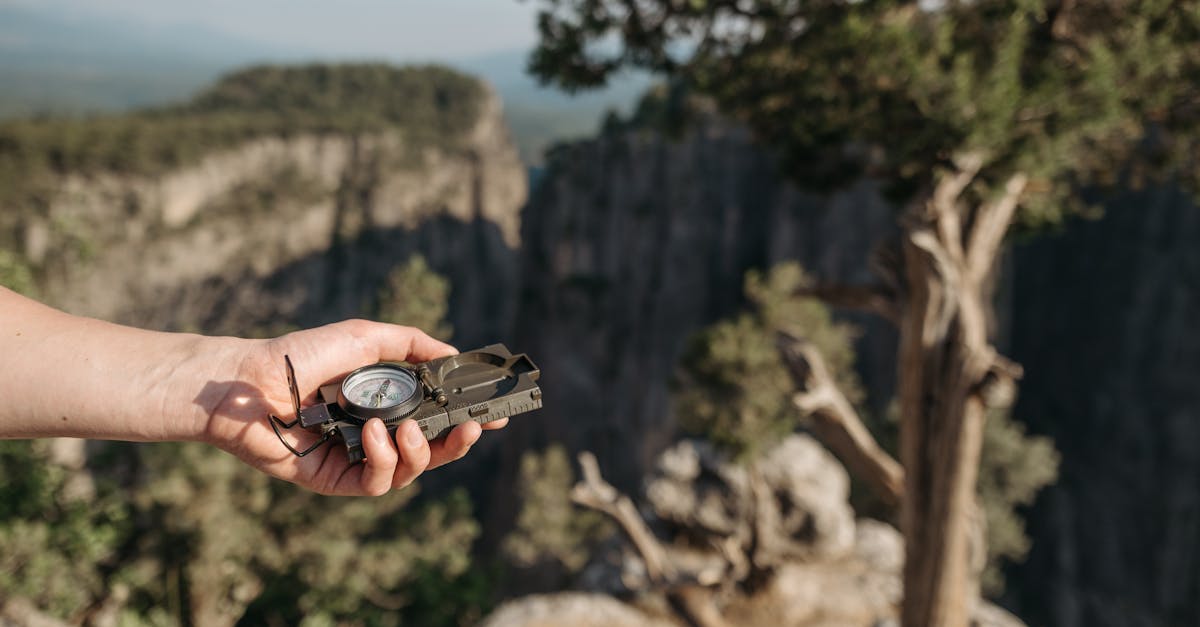 This photo was taken by Pavel Danilyuk on Pexels.
Discovering Indigenous Heritage Along the Trail
While the Lewis and Clark Expedition is often celebrated for its exploration of the American West, their journey was deeply intertwined with the lives and wisdom of the Indigenous nations they encountered. As you retrace their steps along the Oregon Trail or the Missouri River, you are walking through landscapes that have been home to tribes like the Mandan, Hidatsa, Arikara, Nez Perce, and Shoshone for thousands of years before the Corps of Discovery ever arrived. These communities served as vital guides, translators, and suppliers, ensuring the explorers' survival in unfamiliar territories; today, visitors can honor this legacy by visiting cultural centers such as the Three Affiliated Tribes Museum in North Dakota or the Nez Perce National Historical Park, where interactive exhibits and living history programs bring the rich traditions and enduring spirit of these peoples to life.
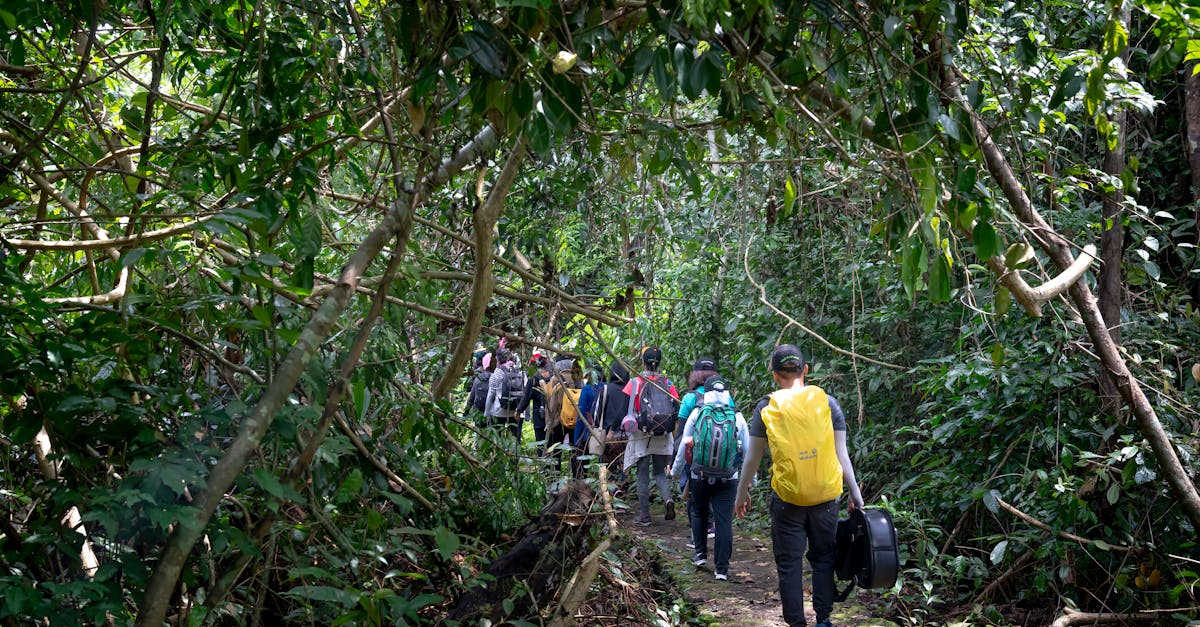
Walking this historic path offers a profound opportunity to engage with a more complete narrative of American history, one that recognizes the deep connection between the land and its original stewards. Many stops along the modern trail feature interpretive signs and guided tours specifically designed to highlight Indigenous perspectives, correcting historical omissions and celebrating the resilience of Native cultures that continue to thrive in these regions. Whether you are standing on the banks of the Columbia River or exploring the plains of Montana, taking time to listen to tribal stories and visit sacred sites transforms your pilgrimage into a respectful dialogue with the past, reminding us that the true spirit of the frontier lies not just in conquest, but in the complex and essential relationships forged across cultures.
 This photo was taken by Quang Nguyen Vinh on Pexels.