Historic Trails: Walking Through America's Most Significant Civil War Sites
 This photo was taken by Jean-Paul Wettstein on Pexels.
From the rolling hills of Pennsylvania to the muddy banks of the Mississippi, the American landscape holds the echoes of its most defining chapter. As we journey across this nation, few paths offer a more profound connection to our shared past than the historic trails of the Civil War. These are not merely tourist destinations; they are sacred grounds where pivotal decisions were made, strategies were forged, and ultimately, a fractured nation began to heal. In this post, we invite you to walk in the footsteps of history, exploring the hallowed soil where the war's turning point was sealed at Gettysburg, the siege that split the Confederacy unfolded at Vicksburg, and the final surrender at Appomattox Court House marked the birth of a reunited America.
The Gettysburg Address: Where the War's Turning Point Was Sealed
Standing on the hallowed ground of Gettysburg National Military Park, visitors are invited to walk where history's most pivotal moment was sealed in just 272 words. On November 19, 1863, President Abraham Lincoln delivered the Gettysburg Address at the dedication of the Soldiers' National Cemetery, transforming a somber battlefield into a sanctuary for national rebirth. As you traverse the rolling hills and quiet fields that once echoed with the clash of cannons, you can almost hear the weight of his voice redefining the purpose of the Civil War from a mere struggle to preserve the Union into a profound crusade for human equality and democracy. This site offers a unique opportunity to reflect on how a brief speech helped forge a new birth of freedom, making it an essential stop for any traveler seeking to understand the soul of America.
The experience extends far beyond the oration itself, as the entire park serves as an open-air museum where the turning point of the war is preserved through meticulously maintained monuments, reconstructed earthworks, and interactive ranger programs. Walking the same paths taken by Union and Confederate soldiers allows tourists to visualize the intensity of the three-day battle that halted General Lee's invasion of the North and shifted the momentum irrevocably in favor of the Union. Whether you choose to explore the iconic Devil's Den, climb Little Round Top, or simply stand before the Lincoln Statue, the atmosphere here is one of solemn reverence and historical clarity. It is a place where the past speaks directly to the present, reminding every visitor that the foundation of the modern United States was built upon the sacrifices made right here in this quiet Pennsylvania town.
 This photo was taken by Mike Bird on Pexels.
Walking the Grounds of Vicksburg: The Siege That Split the Confederacy
Stepping onto the grounds of the Vicksburg National Military Park is like walking through a frozen moment in history, where the rolling hills and dense forests once echoed with the thunder of Union artillery during the grueling 47-day siege. As you traverse the meticulously preserved battlefield, you can follow the same paths taken by soldiers from both sides, pausing at iconic monuments that honor the bravery and sacrifice of those who fought to control this critical Mississippi River stronghold. The park's vast landscape, dotted with cannons and interpretive signs, offers a somber yet educational journey into the strategy that ultimately split the Confederacy in two, cutting off vital supply lines and paving the way for the Union's final victory.
Beyond the sheer scale of the military operations, the site invites visitors to reflect on the human cost of the war through its hauntingly beautiful cemeteries and the towering equestrian statue of General Ulysses S. Grant overlooking the river. Walking these trails provides a profound connection to the past, allowing tourists to visualize the desperate conditions faced by civilians trapped within the city walls and the relentless determination of the Union forces under siege. It is a place where the echoes of history resonate deeply, offering a powerful reminder of how this pivotal battle not only turned the tide of the Civil War but also reshaped the destiny of the United States forever.
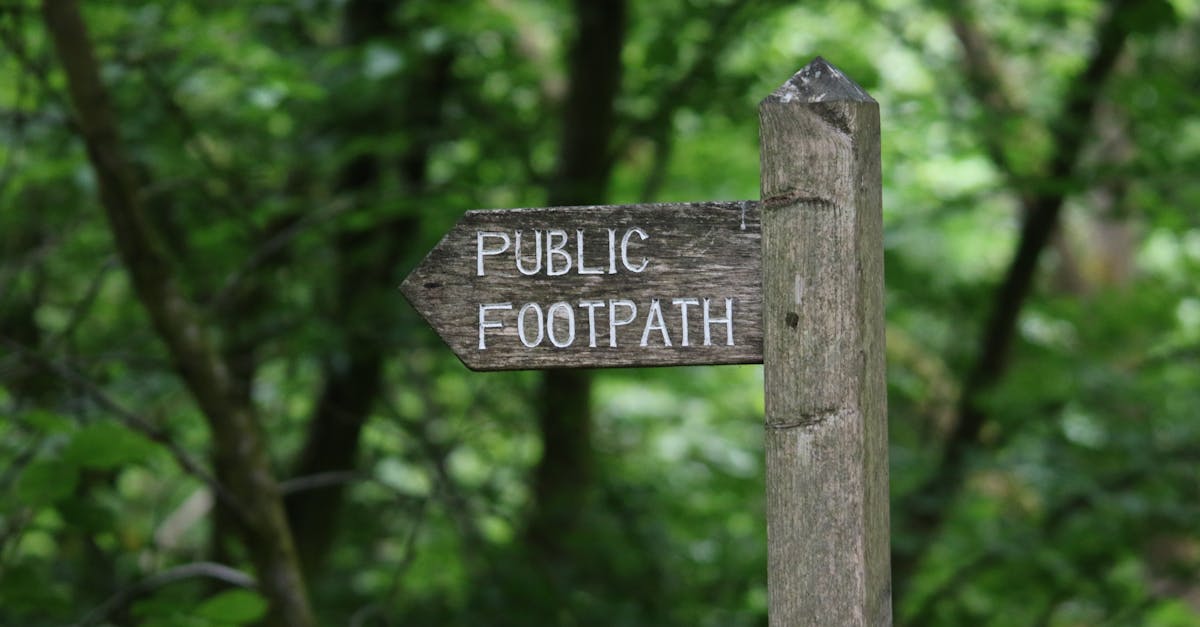 This photo was taken by Tom Vaughan on Pexels.
Appomattox Court House: The Final Surrender and Birth of Reunion
Step into the hallowed grounds of Appomattox Court House National Historical Park, where the American Civil War effectively concluded in a quiet moment that reshaped the nation's destiny. On April 9, 1865, General Robert E. Lee surrendered to Union General Ulysses S. Grant within the parlor of Wilmer McLean's home, an event that not only ended major hostilities but also planted the seeds for reconciliation between North and South. Walking through the meticulously restored village, visitors can trace the very paths taken by soldiers on that fateful day, gaining a profound appreciation for the gravity of the decision made under the sprawling oak trees that now stand as silent witnesses to history.
Beyond the dramatic surrender itself, this site offers a unique perspective on the birth of reunion, illustrating how a divided country began the arduous journey toward healing. The park features several original structures, including the McLean House, the McLean Barn where the terms were formally signed, and the courthouse where the final documents were prepared, all preserved to evoke the atmosphere of the era. As you explore these historic buildings and the surrounding meadows, you are invited to reflect on the resilience of the American spirit and the enduring hope for unity, making Appomattox a poignant destination for anyone seeking to understand the true cost of war and the power of peace.
 This photo was taken by Phil Evenden on Pexels.