Historic Trails: Walking Through Colonial America in Boston
 This photo was taken by Jean-Paul Wettstein on Pexels.
The Freedom Trail: A Step-by-Step Journey Through Revolutionary History
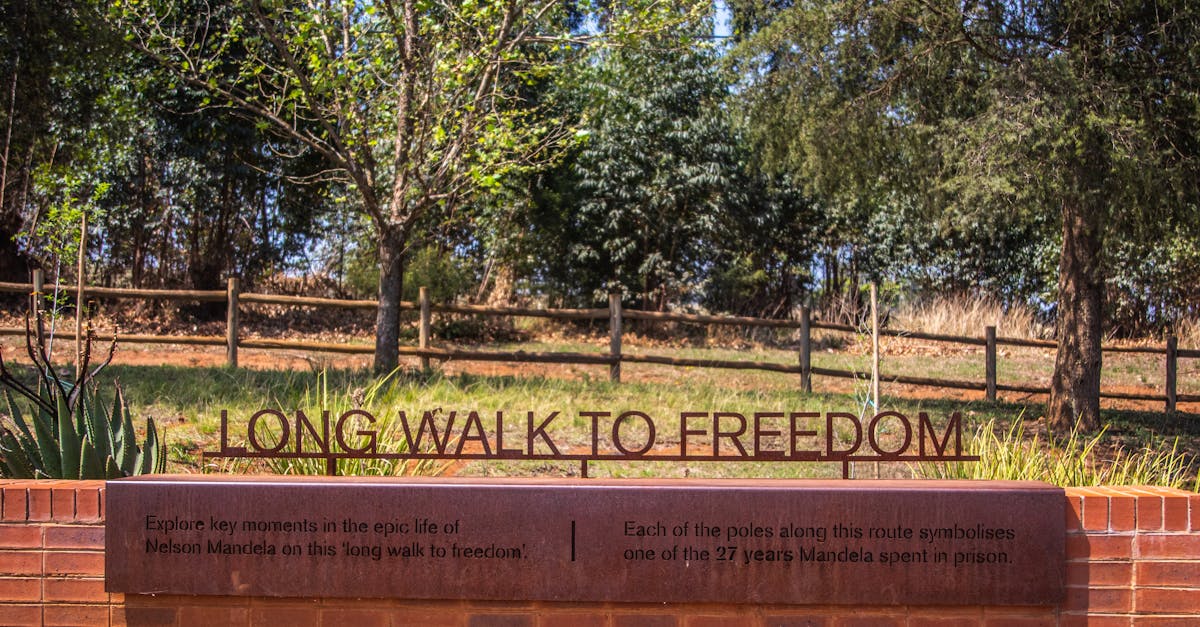
The Freedom Trail is more than just a 2.5-mile red brick path winding through downtown Boston; it is a living timeline that invites you to step directly into the shoes of America's founding fathers. As you follow the iconic crimson line, you will traverse from the solemn grounds of the Granary Burying Ground, where figures like Paul Revere and Samuel Adams rest, to the historic Old State House, the site of the Boston Massacre. Each stop along this meticulously curated route offers immersive storytelling, transforming ordinary city blocks into vibrant stages where the dramatic events of the American Revolution unfolded, allowing visitors to feel the weight of history under their feet rather than just reading about it in a textbook.
Continuing your journey, the trail leads you to the Old North Church, famous for its lantern signal that warned British troops were advancing by sea, and finally culminates at the USS Constitution, the world's oldest commissioned naval vessel still afloat. This walking tour seamlessly blends outdoor exploration with indoor museum experiences, such as the Paul Revere House and Faneuil Hall, often called the "Cradle of Liberty." Whether you are exploring on a crisp autumn morning or a lively summer evening, the Freedom Trail provides an unparalleled educational experience that connects the colonial past with the modern spirit of Boston, making it an essential destination for anyone eager to understand the roots of American independence.
 This photo was taken by Magda Ehlers on Pexels.
Old North Church and the Midnight Ride of Paul Revere
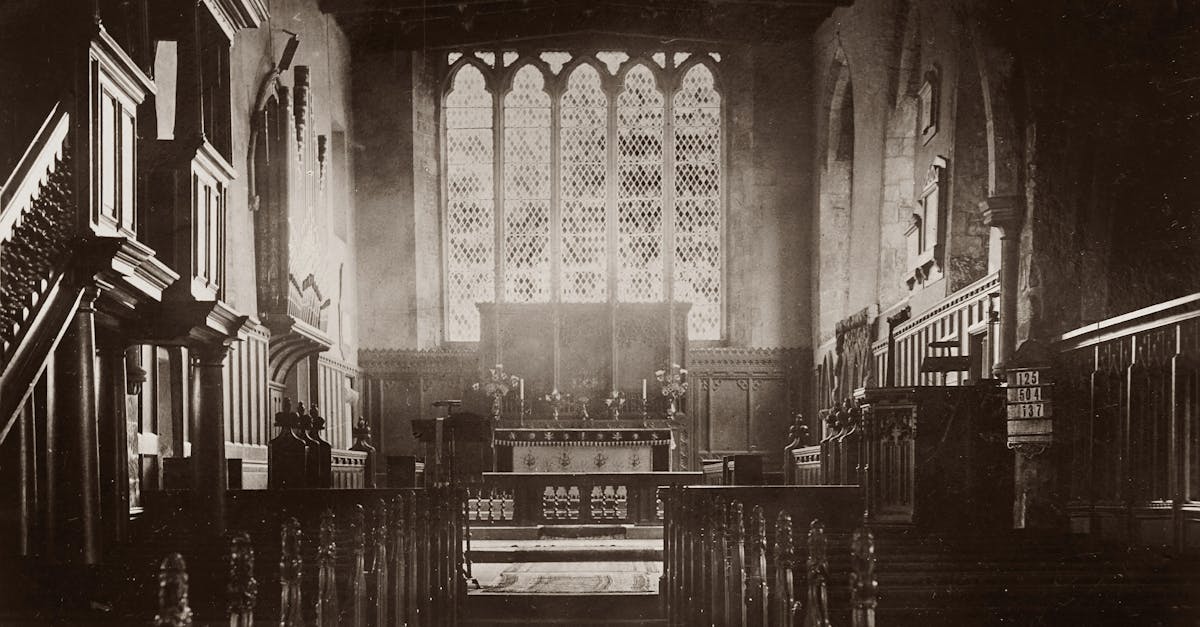
Nestled in the heart of Boston's North End, the Old North Church stands as a silent sentinel to one of the most pivotal moments in American history. Built in 1723, its towering steeple was not merely an architectural feat but a strategic beacon that ignited the Revolutionary War; on the night of April 18, 1775, lanterns hung in its gallery signaled to colonial militia waiting across the Charles River: "One if by land, and two if by sea." Today, visitors can climb the narrow spiral staircase to the same spot where sexton Robert Newman and vestryman John Pulling Jr. made their daring ascent, gazing out over the skyline that has transformed from colonial cobblestones to modern skyscrapers while still preserving the spirit of that fateful evening.
The story does not end at the church doors, for it is intrinsically linked to the legendary Midnight Ride of Paul Revere, a gallop through the darkness that would rally the Minutemen against the approaching British forces. As you wander the winding streets of the North End, imagine the thundering hooves of Revere's horse and the urgent shouts echoing off the brick walls, carrying the warning that freedom could no longer be taken for granted. This historic trail invites you to retrace the steps of the patriots who risked everything, turning a simple ride into a symbol of courage that continues to inspire travelers to walk these very paths and feel the pulse of a nation born from defiance and determination.
 This photo was taken by Suzy Hazelwood on Pexels.
Boston Common and the Heart of Colonial Public Life
Stepping onto the emerald expanse of Boston Common, you immediately enter the oldest public park in the United States, a green sanctuary that has served as the beating heart of colonial civic life since 1634. Originally established as common grazing land for cattle, this historic space quickly evolved into the stage for pivotal moments in American history, from military drills and encampments to the fiery speeches that ignited the Revolutionary War. As you wander past the gnarled elms and the iconic Frog Pond, imagine the thousands of colonists who gathered here to debate liberty, mourn their fallen soldiers, and celebrate victories, all while surrounded by the very soil where the nation's story began.
The Common's significance extends far beyond its pastoral beauty, acting as the central hub from which the pulse of colonial Boston radiated outward to neighboring streets and meeting houses. Just steps away lies the Granary Burying Ground, where figures like Paul Revere and Samuel Adams rest, and the Massachusetts State House looms nearby, bridging the gap between the revolutionary fervor of the past and the governance of the present. Walking these paths offers an immersive journey through time, allowing visitors to trace the footsteps of those who shaped a new nation while enjoying a peaceful respite in one of America's most cherished urban oases.
 This photo was taken by Phil Evenden on Pexels.