Historic Trails: Walking Through the Birthplace of Democracy
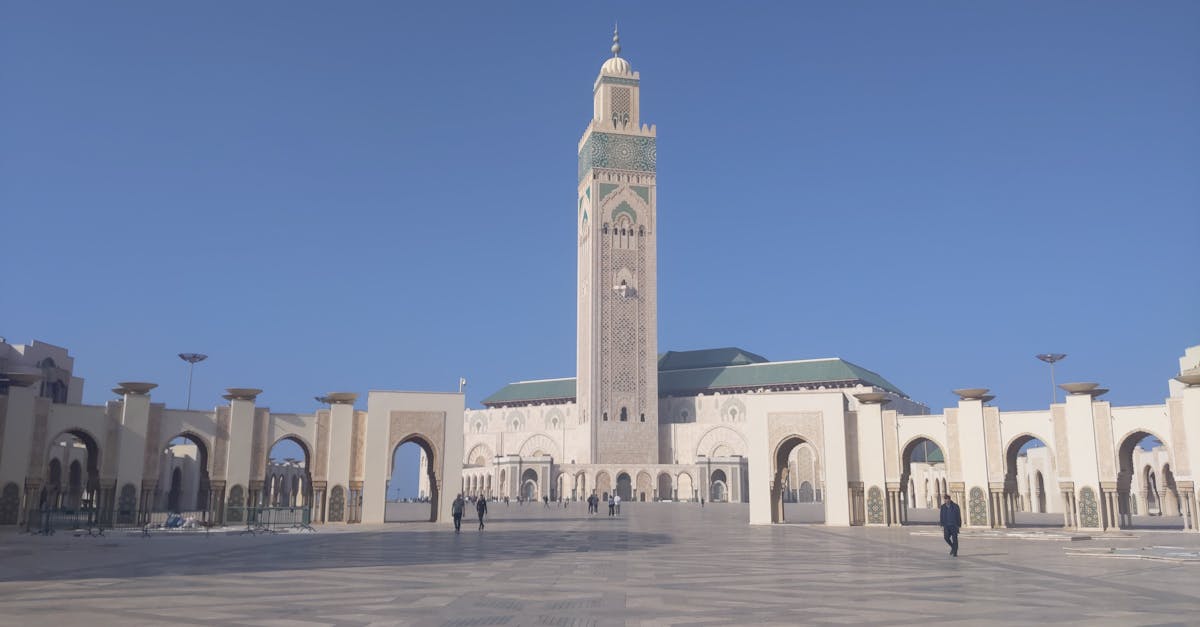 This photo was taken by Nomad Photographer on Pexels.
Welcome, travelers, to a journey that transcends the ordinary sightseeing experience. As we traverse the United States, we are not merely visiting landmarks; we are walking through the very footsteps of history that shaped the world's most enduring experiment in liberty. From the cobblestone streets where revolution began to the battlefields where the nation's soul was tested, every step along these historic trails tells a story of courage, sacrifice, and the relentless pursuit of freedom. In this post, we invite you to explore three pivotal routes: the iconic Freedom Trail winding through Boston's path to independence, the immersive living history of Colonial Williamsburg that transports you back to 1776, and the hallowed grounds of Gettysburg where democracy was ultimately forged in fire. Prepare to uncover the chapters of our shared past that continue to define who we are today.
The Freedom Trail: Boston's Path to Independence
Nestled in the heart of New England, Boston's Freedom Trail offers a unique 2.5-mile red-brick path that winds through 16 historically significant sites, effectively turning the city into an open-air museum dedicated to the American Revolution. As you follow the iconic crimson line laid upon the sidewalks, you will traverse from the Old State House, where the Declaration of Independence was first read to Bostonians, to the quiet solemnity of Granary Burying Ground, the final resting place of Paul Revere and Samuel Adams. This immersive journey allows visitors to step back in time, walking the same cobblestones as the founders who debated liberty and forged a new nation, making it an essential experience for anyone seeking to understand the roots of American democracy.
Beyond its historical narrative, the trail seamlessly blends education with exploration, guiding tourists past the Old North Church, known for Longfellow's famous "one if by land, two if by sea" signal, and the historic USS Constitution, the world's oldest commissioned naval vessel still afloat. Whether you choose to join a guided tour led by passionate historians dressed in colonial attire or explore at your own pace using the official audio guide, the Freedom Trail provides a dynamic perspective on the birth of the United States. It is more than just a walking route; it is a tangible connection to the pivotal moments that shaped a global movement for freedom, inviting travelers to reflect on the enduring ideals of independence while enjoying the vibrant culture of modern-day Boston.
 This photo was taken by Erik Mclean on Pexels.
Colonial Williamsburg: Stepping Back into 1776
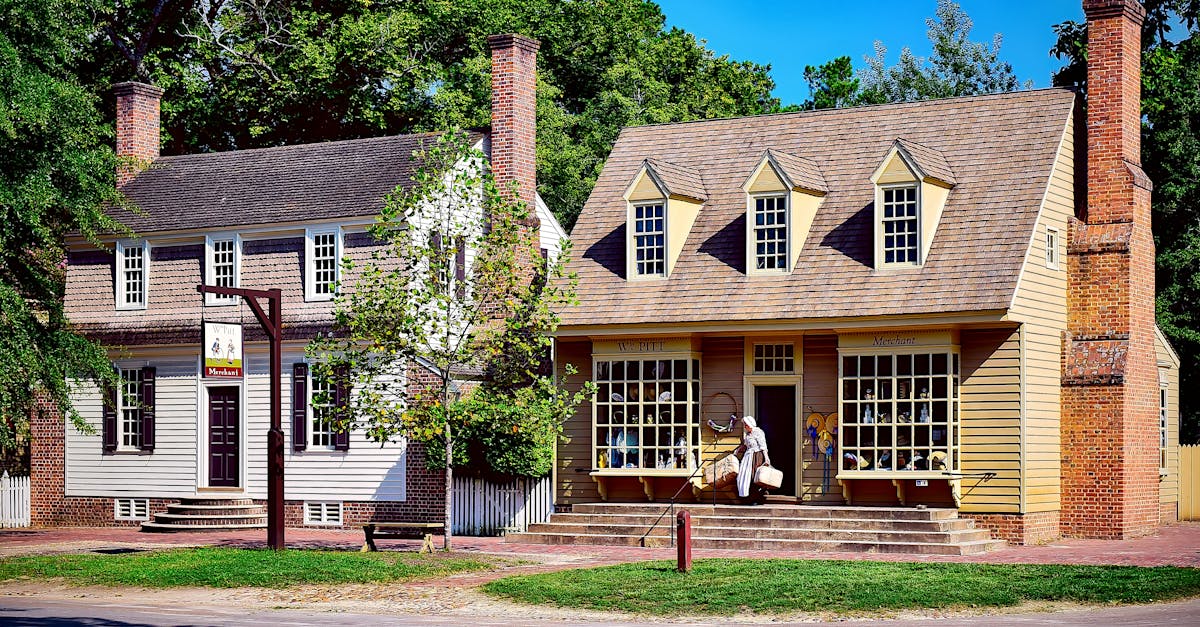
Step into the vibrant streets of Colonial Williamsburg, where the cobblestones echo with the footsteps of founding fathers and the air is filled with the sights and sounds of 1776. As you wander through this meticulously restored 18th-century capital, you will encounter costumed interpreters who bring history to life, engaging in lively debates at the Raleigh Tavern or demonstrating traditional crafts like blacksmithing and candle making. This immersive experience allows visitors to walk alongside Patrick Henry and George Washington, feeling the tension and excitement that permeated the city during the pivotal years leading up to the American Revolution.
Beyond the reenactments, Williamsburg offers a profound connection to the birthplace of democracy through its historic buildings and interactive exhibits. From the Governor's Palace, with its opulent gardens and period furnishings, to the Capitol building where the Declaration of Independence was first read to the public, every corner tells a story of the ideals that shaped a nation. Whether you are exploring the intricate details of colonial architecture or participating in hands-on workshops that highlight daily life in the 1700s, this living museum provides an unforgettable journey back to the moment when the United States began its democratic experiment.
 This photo was taken by C. Spencer van Gulick on Pexels.
Gettysburg: Where Democracy Was Tested and Forged
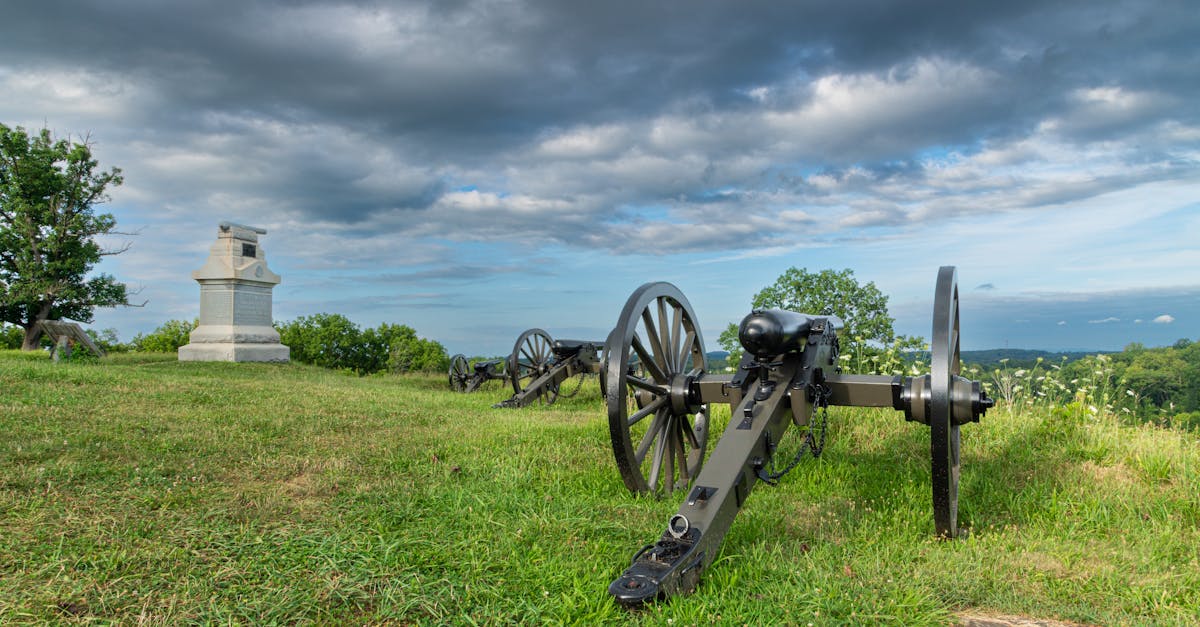
Step onto the hallowed grounds of Gettysburg, Pennsylvania, where the very fabric of American democracy was stretched to its breaking point during the pivotal Battle of July 1–3, 1863. As you wander through the meticulously preserved battlefield, from the sunken roads of Bloody Lane to the iconic rise of Little Round Top, you are not merely observing history but walking through the moment when the nation's future hung in the balance. The silence that now blankets these rolling fields once echoed with the roar of cannons and the cries of soldiers fighting for a union that would either endure or shatter, making this site a profound testament to the sacrifices made to keep the democratic experiment alive.
The legacy of Gettysburg extends far beyond the military strategies employed; it is immortalized by President Abraham Lincoln's Gettysburg Address, delivered just months after the battle at the dedication of the Soldiers' National Cemetery. Standing near the spot where he spoke, visitors can feel the weight of his words redefining the purpose of the war as a struggle for "a new birth of freedom" and equality under government of the people, by the people, for the people. This historic trail invites you to reflect on how the courage displayed here forged a stronger foundation for democracy, ensuring that the ideals of liberty and justice continue to guide the United States through centuries of change.
 This photo was taken by Jay Brand on Pexels.