History Buff's Dream: Exploring America's Colonial Sites
 This photo was taken by Diego F. Parra on Pexels.
Welcome, fellow travelers, to a journey where every cobblestone whispers tales of revolution and every weathered beam holds the memory of our nation's founding. As your guide through the heart of American history, I invite you to step away from the modern rush and immerse yourself in the vibrant past of the United States. This post is crafted specifically for the history enthusiast seeking an authentic connection to the 17th and 18th centuries, offering a curated exploration of the sites that shaped our democracy. From the immersive reenactments of Virginia to the hallowed battlefields of Massachusetts and the timeless architecture of New England, we will uncover how these locations preserve the spirit of colonial life. Get ready to walk in the footsteps of patriots and pioneers as we delve into the living history that defines America's colonial heritage.
Step Back in Time: The Living History of Colonial Williamsburg
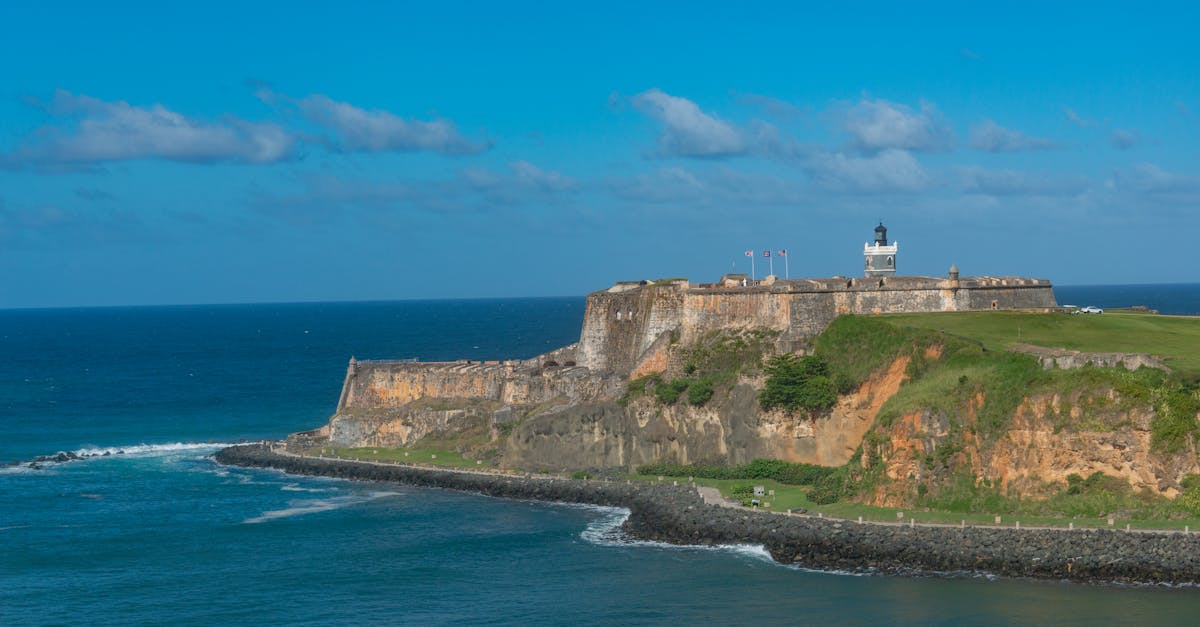
Step into the bustling streets of Colonial Williamsburg, where the past is not merely preserved behind glass but lived out in real-time by costumed interpreters who embody the spirit of 18th-century America. As you wander through the restored capital of Virginia, you will be greeted by blacksmiths hammering iron, printers setting type for local newspapers, and tavern keepers serving up colonial-era ales, all while the architecture of brick buildings and cobblestone paths transports you back to a pivotal era before the nation's founding. This immersive experience offers more than just a visual tour; it invites you to engage in conversations with historical figures, participate in mock trials at the Raleigh Tavern, and witness the dramatic events that shaped the American Revolution, making history feel immediate and profoundly personal.
What truly sets this living museum apart is its dedication to educational storytelling that brings complex political and social dynamics to life for visitors of all ages. Whether you are tracing the footsteps of George Washington, Thomas Jefferson, or Patrick Henry, every corner of the site reveals layers of the colonial experience, from the intricate lives of enslaved people to the vibrant culture of artisans and merchants. By combining meticulously researched artifacts with dynamic performances and hands-on workshops, Colonial Williamsburg transforms abstract historical facts into tangible memories, ensuring that the legacy of America's founding generation resonates deeply with modern travelers seeking to understand the roots of their democracy.
 This photo was taken by Arlind D on Pexels.
Revolutionary Echoes: Walking the Battlefields of Yorktown and Boston
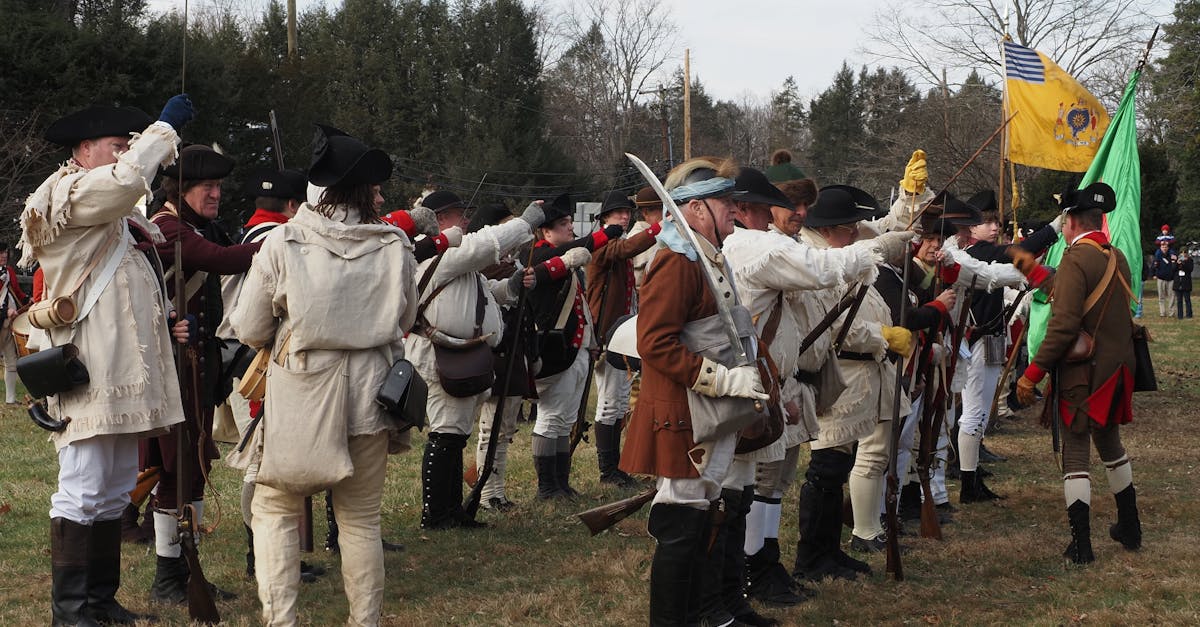
Begin your journey through the cradle of American independence by stepping onto the hallowed ground of Yorktown, Virginia, where the final major land battle of the Revolutionary War unfolded in 1781. As you wander the preserved battlefield, imagine the tense atmosphere as General Cornwallis's forces were trapped between the Continental Army and French allies, a pivotal moment that sealed the fate of British rule. The site offers more than just sweeping views of the historic landscape; it features immersive reenactments and interpretive centers that bring the strategic maneuvers and the ultimate surrender to life, allowing visitors to truly feel the weight of history underfoot.
Journey northward to Boston, Massachusetts, to continue this historical odyssey along the Freedom Trail, a red-brick path that guides you past the very streets where colonial resistance first ignited. Here, you can stand at Bunker Hill, witness the brutal clash that proved the colonists could fight back against professional soldiers, and explore the Old North Church, where lantern signals warned of the British advance on April 18, 1775. From the cobblestones of the Old State House to the quiet solemnity of the Granary Burying Ground, Boston transforms into an open-air museum where every corner echoes with the revolutionary fervor that shaped a nation, making it an essential stop for any history enthusiast exploring America's colonial legacy.
 This photo was taken by Gene Samit on Pexels.
Architectural Treasures: Preserving the Spirit of 17th-Century New England
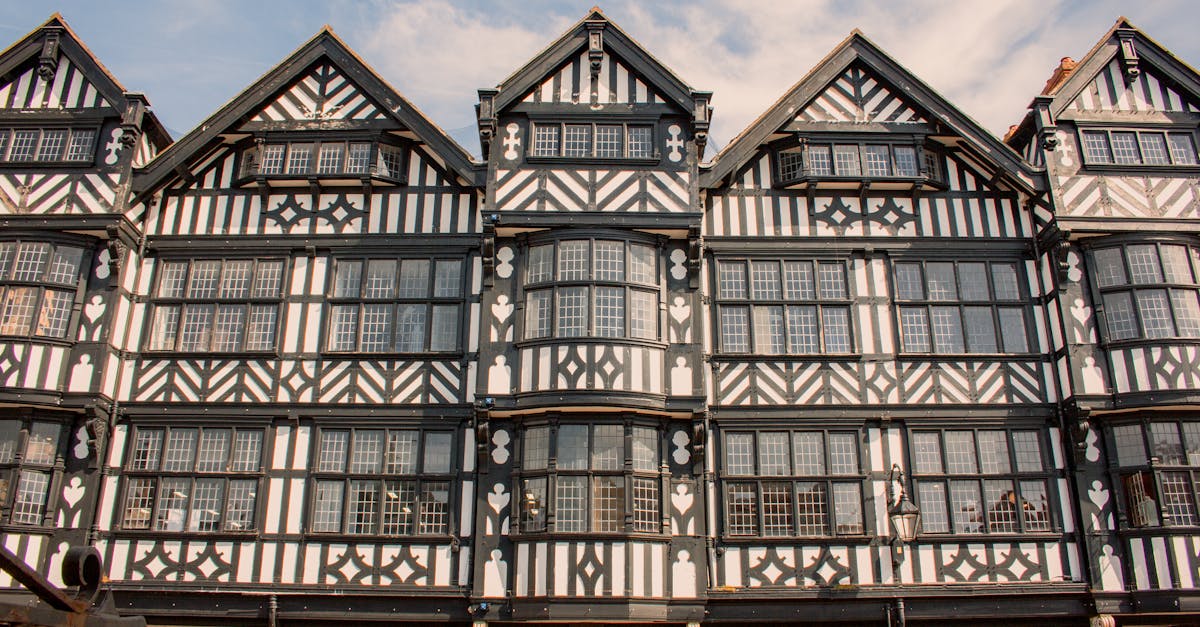
Step back in time as you wander through the cobblestone streets of historic New England, where the spirit of the 17th century is lovingly preserved in every weathered clapboard and steep gable. From the iconic saltbox homes of Massachusetts to the sturdy stone foundations of Connecticut, these architectural treasures offer a tangible connection to the nation's earliest days. Visitors can explore meticulously restored sites like Plimoth Patuxet Museums or the Old North Church, where guided tours bring to life the daily struggles and triumphs of the first settlers, allowing history enthusiasts to walk in the footsteps of the past while marveling at the enduring craftsmanship that has survived centuries of storms and seasons.
The preservation efforts across this region go beyond mere aesthetics; they represent a deep commitment to maintaining the cultural integrity of early American life. Local historians and conservationists work tirelessly to protect original structures from modern encroachment, ensuring that authentic materials and traditional building techniques remain intact for future generations. Whether you are admiring the intricate woodwork of a Puritan meeting house or tracing the faded lines of a colonial town green, each site serves as a living classroom that illuminates the resilience and ingenuity of those who built the foundation of the United States, making a pilgrimage to these locations an essential experience for any traveler seeking a profound understanding of America's roots.
 This photo was taken by Daniel Wells on Pexels.