History Comes Alive: Exploring America's Most Iconic Museums
 This photo was taken by ClickerHappy on Pexels.
Welcome, fellow travelers! As we traverse the vast and vibrant landscape of the United States, few experiences offer a deeper connection to our shared human journey than visiting its world-renowned museums. From the grand halls where history is meticulously preserved to the dynamic galleries that celebrate our nation's rich diversity, these institutions are far more than repositories of artifacts; they are living classrooms where the past speaks directly to the present. In this post, we will embark on an intellectual adventure through America's most iconic cultural landmarks, exploring how the Smithsonian unfolds American stories, how the National Archives safeguards our democratic legacy, and how countless other venues weave together the intricate tapestry of our collective identity. Get ready to step back in time and discover why history truly comes alive across the USA.
The Smithsonian: Where American Stories Unfold
Located along the National Mall in Washington, D.C., the Smithsonian Institution stands as a sprawling complex of 21 museums and galleries that collectively tell the intricate tapestry of the American experience. From the awe-inspiring artifacts of the National Air and Space Museum to the cultural depth found within the National Museum of African American History and Culture, these institutions offer more than just exhibits; they provide immersive journeys through time. Visitors can walk among the Wright Flyer, marvel at the Star-Spangled Banner, or explore the diverse narratives of Indigenous peoples, all while engaging with interactive displays that bring historical figures and pivotal moments vividly to life.
What truly sets the Smithsonian apart is its commitment to accessibility and education, offering free admission to all who wish to learn and explore. This unique model invites tourists from every corner of the globe to delve into the nation's past, present, and future without financial barriers, fostering a deeper understanding of what it means to be American. Whether you are tracing the footsteps of pioneers in the Natural History Museum or experiencing the vibrant artistry of the Hirshhorn, each visit transforms abstract history into tangible stories, ensuring that the legacy of the United States remains a living, breathing narrative for generations to come.
 This photo was taken by Erik Mclean on Pexels.
Preserving the Past: The National Archives and Beyond
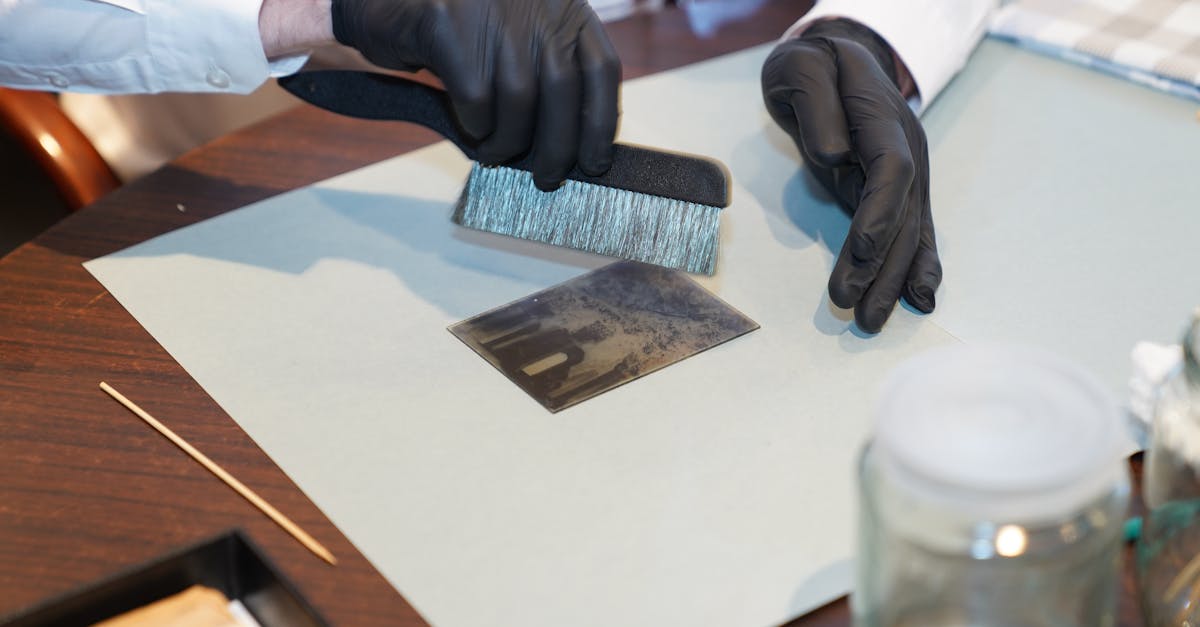
At the heart of Washington, D.C., the National Archives stands as a solemn yet thrilling guardian of the nation's founding documents. Walking through its grand Rotunda to gaze upon the original Declaration of Independence, the Constitution, and the Bill of Rights is a profoundly moving experience that transforms abstract history into tangible reality. The meticulous preservation efforts ensure that these fragile parchment treasures remain legible for future generations, allowing visitors to connect directly with the visionaries who shaped American democracy. Beyond the main halls, interactive exhibits bring the stories behind these documents to life, offering deep insights into the political struggles and triumphs that defined the early republic.
While the Archives anchor our understanding of the past, the broader museum landscape across the United States extends this narrative in diverse and dynamic ways. From the Smithsonian Institution's vast network of museums showcasing everything from aviation marvels to indigenous cultures, to regional historical societies preserving local heritage, these institutions serve as living classrooms rather than static storage facilities. Many modern museums now utilize cutting-edge technology like augmented reality and immersive digital archives to reconstruct lost eras, making history accessible and engaging for travelers of all ages. This commitment to both preservation and innovation ensures that America's rich tapestry of stories continues to evolve, inviting every visitor to become part of an ongoing historical dialogue.
 This photo was taken by Tahir Xəlfə on Pexels.
Cultural Tapestry: Museums Celebrating America's Diversity
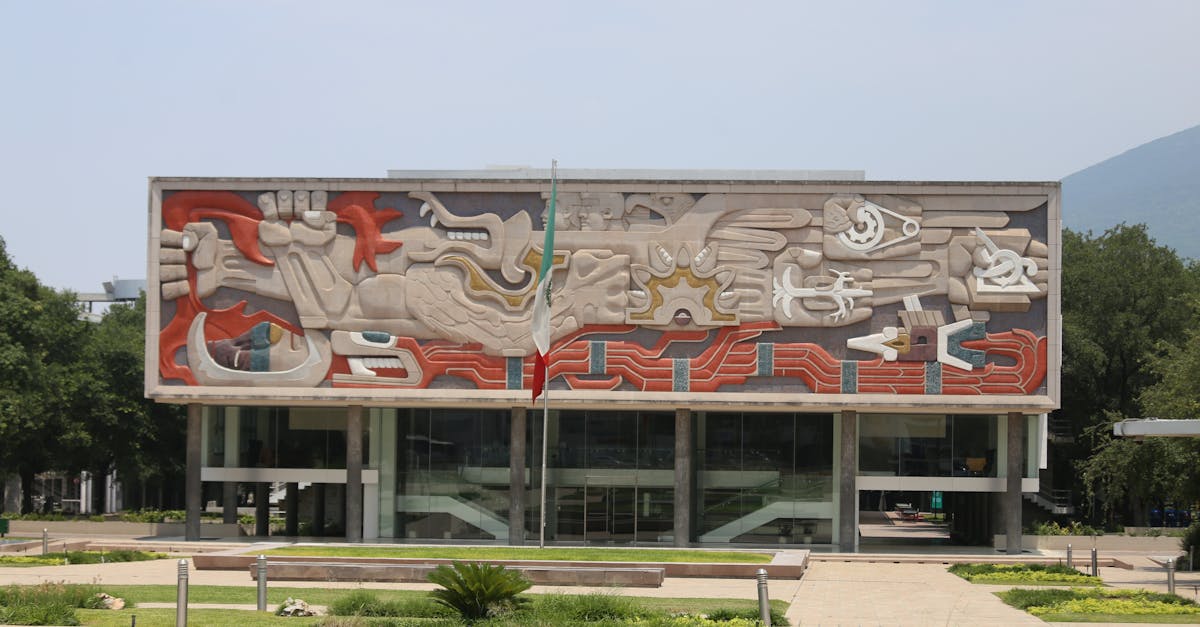
America's museum landscape is a vibrant mosaic where the nation's complex history and rich cultural diversity converge, offering visitors an immersive journey through time. From the Smithsonian's National Museum of African American History and Culture to the National Museum of the American Indian, these institutions do more than display artifacts; they tell the stories of resilience, innovation, and the enduring spirit of communities that have shaped the United States. By stepping into these halls, travelers gain a profound appreciation for the myriad voices that contribute to the American narrative, transforming static exhibits into dynamic conversations about identity, heritage, and the ongoing evolution of society.
Beyond the grand capitals, regional museums across the country provide unique windows into specific cultural traditions, from the intricate beadwork of Native American tribes in Oklahoma to the immigrant experiences preserved in New York's Tenement Museum. These spaces celebrate the "cultural tapestry" by highlighting local festivals, culinary histories, and artistic expressions that define distinct neighborhoods and states. Whether you are exploring the jazz legends of New Orleans or the civil rights milestones in Montgomery, each museum serves as a vital bridge connecting past struggles with present-day achievements, ensuring that the full spectrum of America's diversity remains alive and accessible to all who seek to understand its true character.
 This photo was taken by Jorge López on Pexels.