History Unveiled: Visiting Historic Sites and Landmarks
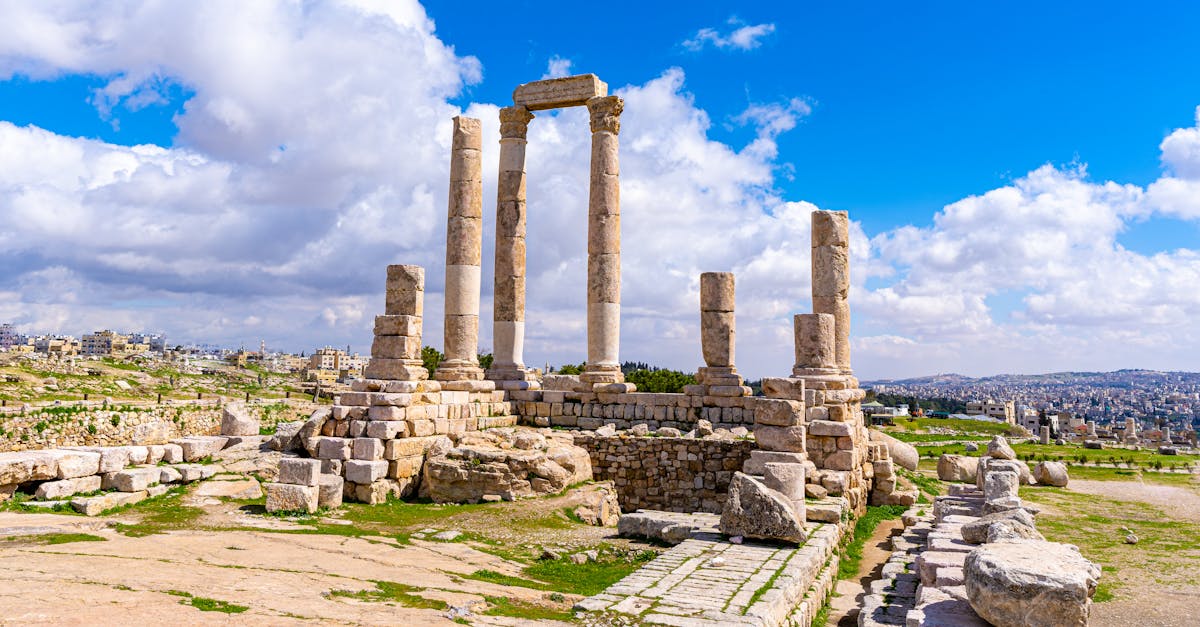 This photo was taken by sebas Nut on Pexels.
Welcome to a journey through time, where every cobblestone and weathered monument tells a story of resilience, innovation, and the enduring spirit of the American people. As your guide through the United States, I invite you to step beyond the postcards and into the living history that shapes our nation's identity. From the hallowed grounds where our revolution began to the battlefields that tested our unity, and from ancient indigenous trails to the steel giants of the industrial age, America is a museum without walls. In this post, we will explore these pivotal locations together, uncovering the layers of the past that continue to define who we are today.
The Revolutionary Roots: Exploring Colonial America's Birthplace
Journey back to the 17th and 18th centuries in Colonial Williamsburg, Virginia, where cobblestone streets and restored buildings bring the American Revolution to life. As you wander through this open-air museum, imagine the bustling markets of the past, hear the blacksmiths' hammers ringing against iron, and witness reenactments that capture the spirit of a nation on the brink of independence. This immersive experience offers more than just a glimpse into history; it allows visitors to step inside the very homes and taverns where founding fathers like George Washington and Thomas Jefferson once walked, making the pivotal moments of our birth feel tangible and personal.
Beyond Virginia, the historic path of America's founding extends northward to Philadelphia, Pennsylvania, known as the "Cradle of Liberty." Here, Independence Hall stands as a solemn yet majestic testament to democracy, housing the very room where both the Declaration of Independence and the U.S. Constitution were debated and signed. Walking through these hallowed halls alongside the Liberty Bell, tourists can trace the footsteps of history-makers who dared to challenge an empire, creating a legacy that continues to shape the United States today. These sites are not merely relics of the past but vibrant classrooms where the revolutionary roots of American freedom are vividly celebrated and preserved for future generations.
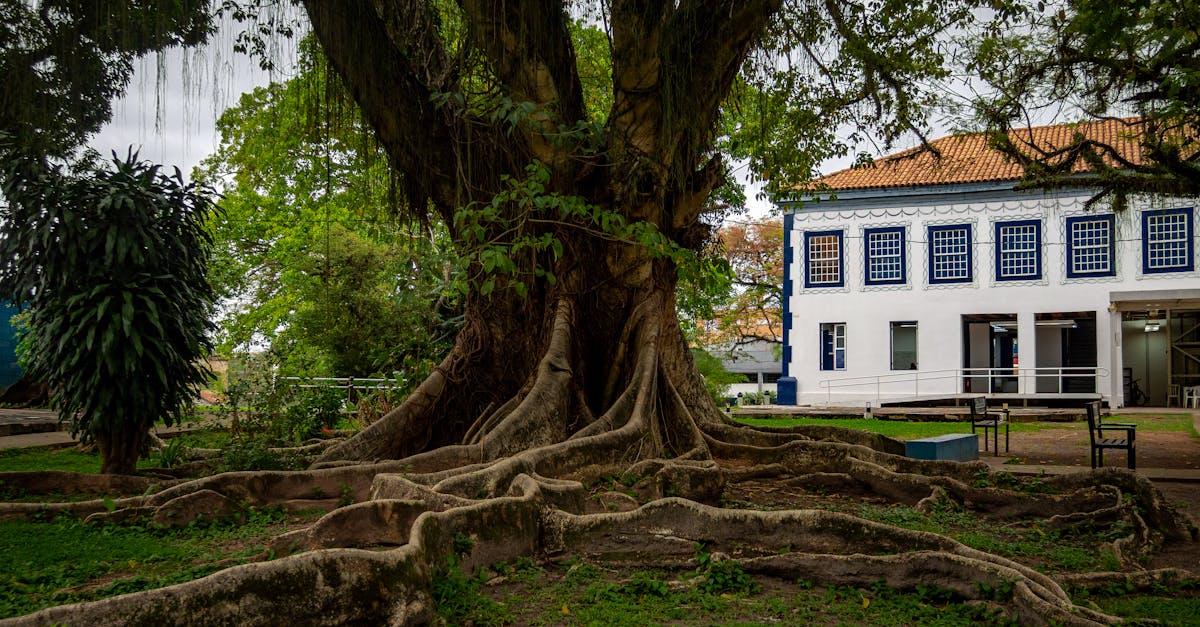 This photo was taken by Alex Agrico on Pexels.
Monuments of Freedom: Walking the Grounds of the Civil War
Stepping onto the hallowed grounds of America's Civil War battlefields offers a profound journey into the nation's most defining era, where history is not merely read but felt beneath your feet. From the mist-shrouded fields of Gettysburg in Pennsylvania to the sun-drenched trenches of Antietam in Maryland, these preserved landscapes serve as solemn reminders of the sacrifices made for unity and liberty. Guided tours led by expert historians bring the strategic maneuvers and human stories to life, allowing visitors to walk the very paths taken by soldiers over 150 years ago, transforming abstract dates and names into tangible experiences of courage and loss.
Beyond the battlefield lines, the monuments scattered across these sites stand as enduring testaments to the complex legacy of freedom and reconciliation. The towering statues, quiet memorials, and meticulously restored fortifications invite quiet reflection on the cost of democracy, while interactive exhibits at visitor centers provide deeper context regarding the social and political upheavals that reshaped the United States. Whether you are tracing the steps of Union troops or exploring the remnants of Confederate defenses, these historic landmarks offer a powerful educational experience that connects the past with the present, ensuring that the lessons of this pivotal chapter in American history remain vivid for future generations. This photo was taken by Lazar Krstić on Pexels.
Preserving the Past: From Native American Heritage Sites to Industrial Giants
Journeying through the United States offers a profound opportunity to walk in the footsteps of indigenous peoples, where ancient landscapes whisper stories of resilience and culture. From the cliff dwellings of Mesa Verde in Colorado to the sacred grounds of Cahokia Mounds in Illinois, these Native American heritage sites serve as living testaments to civilizations that thrived long before modern borders were drawn. Visitors can engage with interpretive programs led by tribal members, gaining authentic insights into spiritual traditions, agricultural innovations, and artistic legacies that continue to shape the nation's identity today.
In stark yet complementary contrast, the nation's industrial giants stand as monuments to human ingenuity and the transformative power of innovation during the 19th and 20th centuries. Tourists can explore the rusted beauty of the former steel mills in Pittsburgh or step inside the preserved factories of Detroit's automotive history, witnessing the machinery that fueled an economic revolution. These landmarks not only celebrate the labor and vision of workers but also illustrate the complex evolution of America from an agrarian society to a global industrial powerhouse, offering a tangible connection to the era that built modern infrastructure and defined urban life.
 This photo was taken by Tahir Xəlfə on Pexels.