Music Capital of the World: Nashville, Memphis, and New Orleans
 This photo was taken by DeMarius Bell on Pexels.
Welcome to the sonic soul of America, where every street corner echoes with a unique rhythm and every city tells a story through its sound. From the neon-lit bars of Tennessee to the historic riverbanks of Mississippi and Louisiana, the United States offers an unparalleled musical journey that captivates travelers from around the globe. In this post, we'll explore three legendary destinations that define the nation's auditory landscape: the honky-tonk heartbeat of Nashville, the birthplace of the blues in Memphis, and the vibrant jazz, soul, and second lines of New Orleans. Get your headphones ready and your dancing shoes on as we dive into the music capital of the world.
The Honky Tonk Heartbeat of Nashville
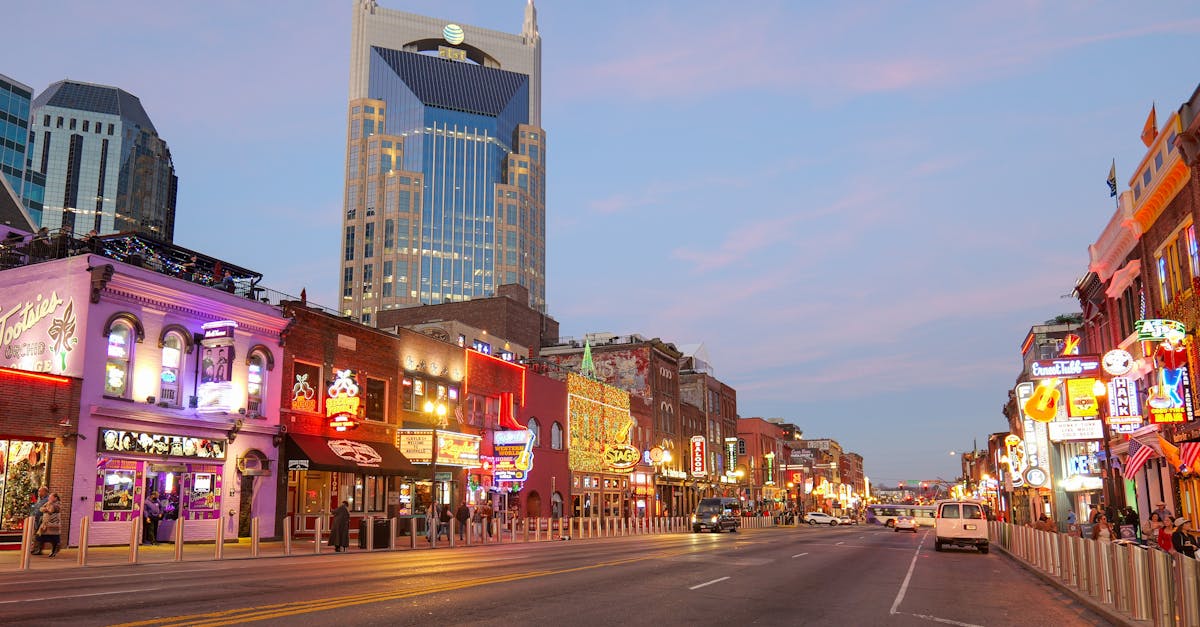
Nashville pulses with a rhythm that is impossible to ignore, earning its title as the heart of country music where every corner echoes with the twang of steel guitars and the soulful strum of acoustic instruments. The legendary Broadway district transforms into a neon-lit playground after sunset, where historic honky-tonks like Tootsie's Orchid Lounge and Robert's Western World stand shoulder-to-shoulder, offering free live performances from dawn until late night. Whether you are a die-hard fan or a curious traveler, stepping inside these venues reveals an authentic cultural experience where songwriters share their stories on stage, creating an intimate connection between artist and audience that defines the city's unique charm.
Beyond the famous bars, the city's musical heritage is woven into the very fabric of daily life, inviting visitors to explore the Grand Ole Opry House or take a guided tour through the Country Music Hall of Fame to understand the evolution of American sound. Yet, the true magic lies in the spontaneous moments found on the sidewalks, where street performers blend genres and locals gather to sing along to classic hits under the glow of vintage marquee lights. This vibrant atmosphere ensures that Nashville remains not just a destination for listening, but a place where the spirit of music lives and breathes, making it an essential stop for anyone seeking the raw energy of the American South.
 This photo was taken by Mark Direen on Pexels.
Where the Blues Was Born in Memphis
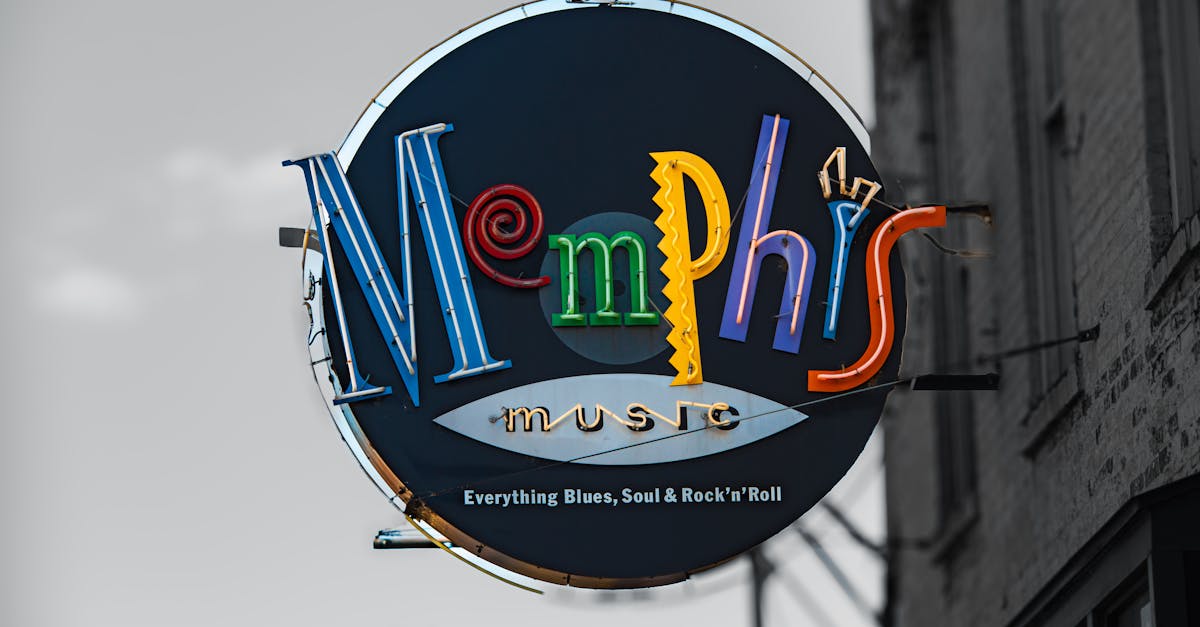
Nestled along the Mississippi River, Memphis stands as the undisputed cradle of the blues, a city where the rhythmic pulse of African American history beats through every cobblestone and brick wall. The legendary Beale Street, once a thriving hub for Black commerce and culture in the early 20th century, is where pioneers like W.C. Handy first transcribed the soulful sounds of the Delta into sheet music, earning him the title "Father of the Blues." Today, visitors can walk this historic thoroughfare to hear live performances echoing from the vibrant storefronts, immersing themselves in the raw emotion that defined an entire genre while exploring museums dedicated to the legends who made the world fall in love with this powerful sound.
Beyond the street-level energy, the heart of Memphis's musical heritage beats strongest at Sun Studio, famously known as the "Birthplace of Rock 'n' Roll," where the blues evolved alongside country and R&B to create something entirely new. It was here that Elvis Presley, Johnny Cash, Jerry Lee Lewis, and Carl Perkins recorded their early tracks, but the studio's roots remain deeply anchored in the blues tradition that preceded them. For the serious traveler, a tour of these sacred grounds offers more than just a look at vintage microphones and recording consoles; it provides a profound connection to the artists who turned local struggles into universal anthems, cementing Memphis's legacy as a pilgrimage site for anyone seeking the authentic origins of American music.
 This photo was taken by Ann H on Pexels.
Jazz, Soul, and Second Lines in New Orleans
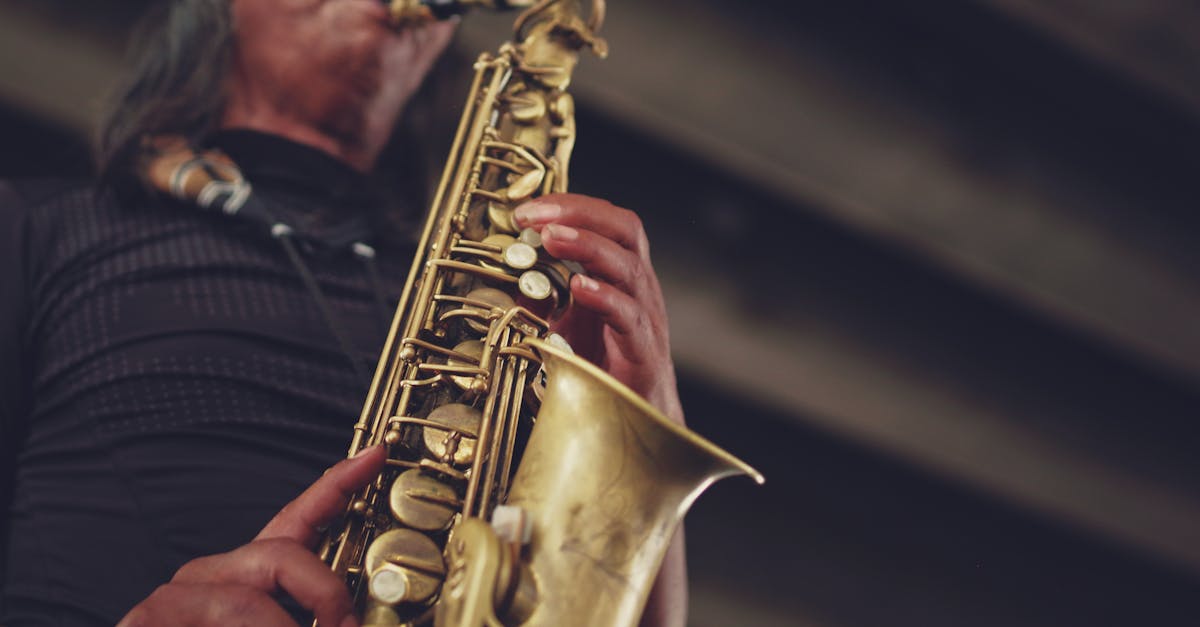
New Orleans offers a musical experience unlike any other in the United States, where the vibrant sounds of jazz and soul are woven into the very fabric of daily life. Unlike the polished stages of Nashville or the historic blues clubs of Memphis, the magic here often happens on street corners and in intimate venues like Preservation Hall, where the raw, improvisational spirit of traditional jazz breathes through every note. Visitors can lose themselves in the soulful rhythms of local legends at the Voodoo Music Experience or enjoy an evening of deep, emotive performances at The Spotted Cat Music Club, feeling the city's rich cultural heritage pulse beneath their feet.
The true heartbeat of New Orleans, however, is found in its unique tradition of second lines, a celebratory parade that turns the entire neighborhood into a moving concert. Rooted in African American culture and born from the funeral marches of early jazz bands, these processions feature brass bands leading crowds of revelers dancing to the infectious beat of drums and trumpets. Whether you are joining the spontaneous parades during Mardi Gras or catching a weekly community second line in Treme, you become part of an enduring legacy of joy and resilience that defines the city's soulful identity.
 This photo was taken by Chevanon Photography on Pexels.