Music History Tour: From Nashville to Memphis and New Orleans
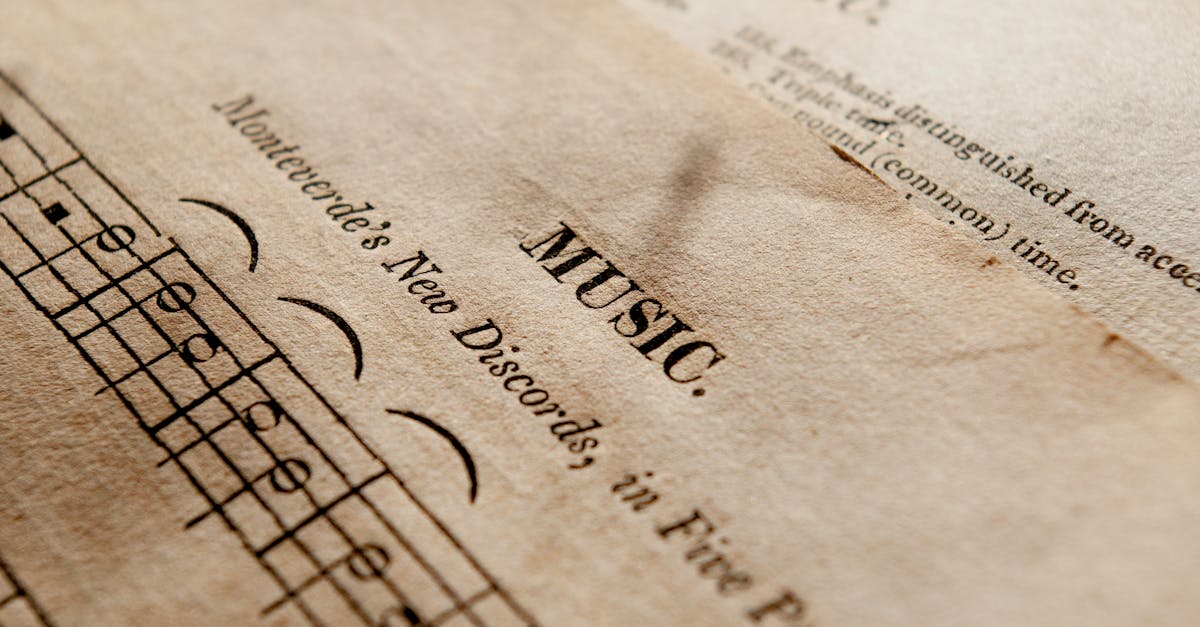 This photo was taken by Oleg Tischenkov on Pexels.
From the honky-tonks of Tennessee to the riverfronts of Louisiana, the United States offers a musical journey unlike any other on Earth. This tour invites you to trace the invisible threads that connect three iconic cities: Nashville, Memphis, and New Orleans. Whether you are a lifelong music enthusiast or simply curious about the sounds that shaped a nation, prepare to step into the studios where legends were born and the stages where history was made. Join us as we explore the country heartbeat of Nashville, the soulful crossroads of Memphis, and the rhythmic roots of New Orleans in this definitive guide to America's greatest musical heritage.
The Country Heartbeat: Nashville's Songwriter Legacy
 This photo was taken by Erik Mclean on Pexels.
The Soulful Crossroads: Memphis and the Birth of Rock 'n' Roll
Stepping into Memphis is like walking directly into the heartbeat of American music, where the soulful hum of the Mississippi River merges with the electric energy that gave birth to rock 'n' roll. At the legendary Sun Studio, often called the "Birthplace of Rock 'n' Roll," you can stand in the very same room where Elvis Presley, Johnny Cash, and Jerry Lee Lewis first recorded their groundbreaking tracks, capturing a raw sound that would change global culture forever. The city's Beale Street, bathed in neon lights and lined with historic blues clubs, offers an immersive auditory experience where the past and present collide; here, the gritty sounds of B.B. King and the smooth crooning of Al Green echo off brick walls, proving that Memphis is not just a museum of music but a living, breathing testament to the genre's revolutionary spirit.
As your journey continues through this musical landscape, the influence of Memphis extends far beyond its city limits, serving as the crucial crossroads where country, blues, and gospel intertwined to create something entirely new. A visit to the National Civil Rights Museum at the Lorraine Motel provides a poignant backdrop to this artistic explosion, reminding visitors that the music born here was fueled by the struggle for justice and the resilience of the human spirit. From the iconic Graceland mansion, which still radiates the charisma of the King, to the underground vibes of local dive bars, every corner of Memphis invites you to feel the rhythm of history, making it an essential stop for any traveler seeking to understand the deep roots and enduring legacy of America's most influential musical movement.
 This photo was taken by Iklima Babangida on Pexels.
The Jazz Cradle: New Orleans' Rhythmic Roots
As the final stop on our musical journey from Nashville to Memphis, New Orleans stands as the undisputed cradle of jazz, a city where the very air seems to vibrate with syncopated rhythms and improvisational spirit. Born from a unique cultural melting pot of French, Spanish, African, and Caribbean influences in the late 19th century, this vibrant metropolis transformed ragtime and blues into something entirely new at Storyville and beyond. Visitors can still feel the heartbeat of history by wandering down Rampart Street or gathering around the historic Preservation Hall, where the music is not merely performed but lived, preserving the raw, soulful essence that defined an entire genre.
Exploring New Orleans' rhythmic roots goes far beyond listening to a band; it requires immersing oneself in the city's lively streets during the annual Jazz & Heritage Festival or joining a guided walking tour through the French Quarter. Here, you will hear the distinctive sound of the brass band, characterized by its lively tempo and communal energy, echoing off the wrought-iron balconies of the old town. Whether you are sipping a classic Sazerac in a dimly lit speakeasy or dancing barefoot in the humid night air, the infectious joy of New Orleans jazz offers a profound connection to America's most original contribution to global culture.
 This photo was taken by Jean-Paul Wettstein on Pexels.