Music Lover's Paradise: Tracing the Roots of Jazz, Blues, and Country
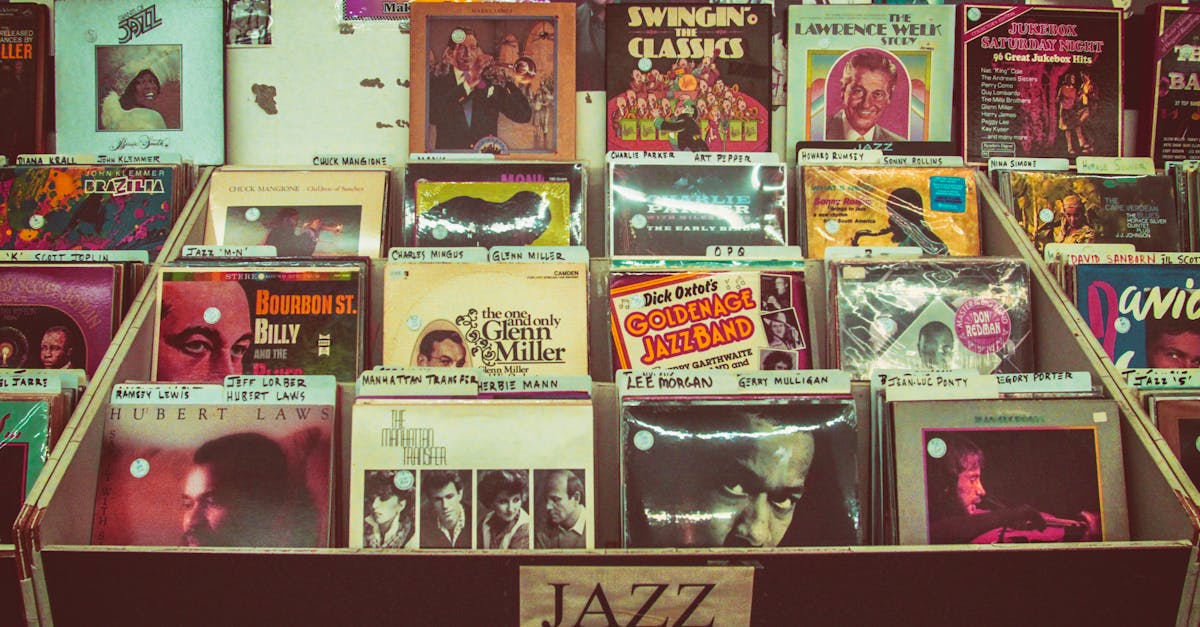 This photo was taken by Mick Haupt on Pexels.
Welcome to a sonic journey across the heart of America, where every note tells a story of resilience, innovation, and cultural fusion. From the humid riverbanks of Louisiana to the dusty backroads of the South, the United States has given birth to some of the world's most influential musical genres. In this post, we will trace the vibrant roots of Jazz, Blues, and Country, exploring how these historic sounds were forged in the crucible of American history. Whether you are standing on the corner of Beale Street in Memphis or listening to the twang of a fiddle in Nashville, you are walking through a living museum of sound that continues to shape today's global music scene. Get ready to tune your ears for an unforgettable adventure through Music Lover's Paradise.
From the Mississippi Delta to New Orleans: The Birth of Jazz and Blues
Begin your auditory pilgrimage in the fertile soil of the Mississippi Delta, where the rhythmic plucking of acoustic guitars and the haunting wail of the harmonica gave birth to the raw emotion of the blues. This region, steeped in a profound history of resilience and cultural fusion, served as the crucible for a sound that spoke directly to the human experience, evolving from work songs and spirituals into a powerful expression of struggle and hope. As you wander through historic juke joints in towns like Clarksdale or visit the crossroads legend associated with Robert Johnson, you can almost feel the spirits of the past echoing through the air, setting the stage for an even greater musical revolution.
Just downstream lies New Orleans, the vibrant city where these Delta roots collided with French, Spanish, and Caribbean influences to ignite the explosive creativity of jazz. Here, in the heart of the French Quarter, the streets pulse with the syncopated rhythms of brass bands and the improvisational genius that defined a new era of American music. From the legendary Preservation Hall to the world-famous Jazz & Heritage Festival, the city remains a living museum of sonic innovation, inviting visitors to lose themselves in the swirling melodies that transformed a regional folk tradition into a global phenomenon, cementing its status as the undeniable birthplace of America's most original art form.
 This photo was taken by Erik Mclean on Pexels.
Honky-Tonks and Hillbilly Music: The Origins of Country in the American South
Step into the heart of Nashville, Memphis, or Austin, where the neon glow of honky-tonks illuminates the night and the air vibrates with the raw energy of hillbilly music's earliest days. These iconic venues, born from the need for social gathering spaces in rural communities, became the crucibles where country music was forged from a blend of Anglo-Celtic ballads, African American blues, and spiritual hymns. As you navigate through crowded dance floors lined with sticky bar tops, you are walking in the footsteps of legends like Hank Williams and Patsy Cline, whose voices defined a genre that speaks directly to the human experience of hardship, love, and resilience found throughout the American South.
The roots of this musical tradition stretch deep into the Appalachian Mountains and the Delta region, where itinerant musicians traded stories and songs along dusty backroads long before radio waves carried their melodies across the nation. The term "hillbilly," once used dismissively by critics, has been reclaimed as a badge of honor representing the authentic, unpolished sound that resonated with everyday people during the Great Depression and beyond. Today, these historic venues continue to preserve that legacy, offering visitors an immersive journey into the origins of country music, proving that while the instruments may have evolved, the soulful storytelling remains the beating heart of the American South.
This photo was taken by Erik Mclean on Pexels.
Modern Melodies: How Historic Sounds Shape Today's US Music Scene
The rhythmic heartbeat of the United States pulses through a seamless fusion of historic roots and contemporary innovation, creating a soundscape that is uniquely American. From the smoky jazz clubs of New Orleans where improvisation was born to the dusty backroads of Mississippi that birthed the blues, these foundational genres have evolved into a vibrant tapestry of modern expression. Today's artists frequently sample vintage recordings or reinterpret classic structures, infusing them with electronic beats and global influences, ensuring that the soulful narratives of the past remain alive in today's charts. This living legacy means that a concert in Austin might feature a country ballad rooted in Appalachian folk traditions reimagined with indie-rock sensibilities, proving that history is not just preserved in museums but actively performed on stages across the nation.
Exploring this musical evolution offers travelers an immersive journey into the cultural identity of the US, where every city tells a story through its sonic signature. In Nashville, the honky-tonks still echo with the twang that defined country music, yet they now host experimental bands blending bluegrass with hip-hop, while cities like Chicago showcase how the electric blues transformed into the high-energy rock that fueled the 20th century. By visiting these historic venues and attending local festivals, tourists can witness firsthand how the raw emotion of the blues and the complex harmonies of jazz continue to shape the industry's direction. It is a dynamic ecosystem where tradition acts as a compass, guiding new generations of musicians to create fresh melodies that honor their heritage while pushing the boundaries of what American music can be.
 This photo was taken by Alena Sharkova on Pexels.