National Park Service Pass: Is It Worth the Investment?
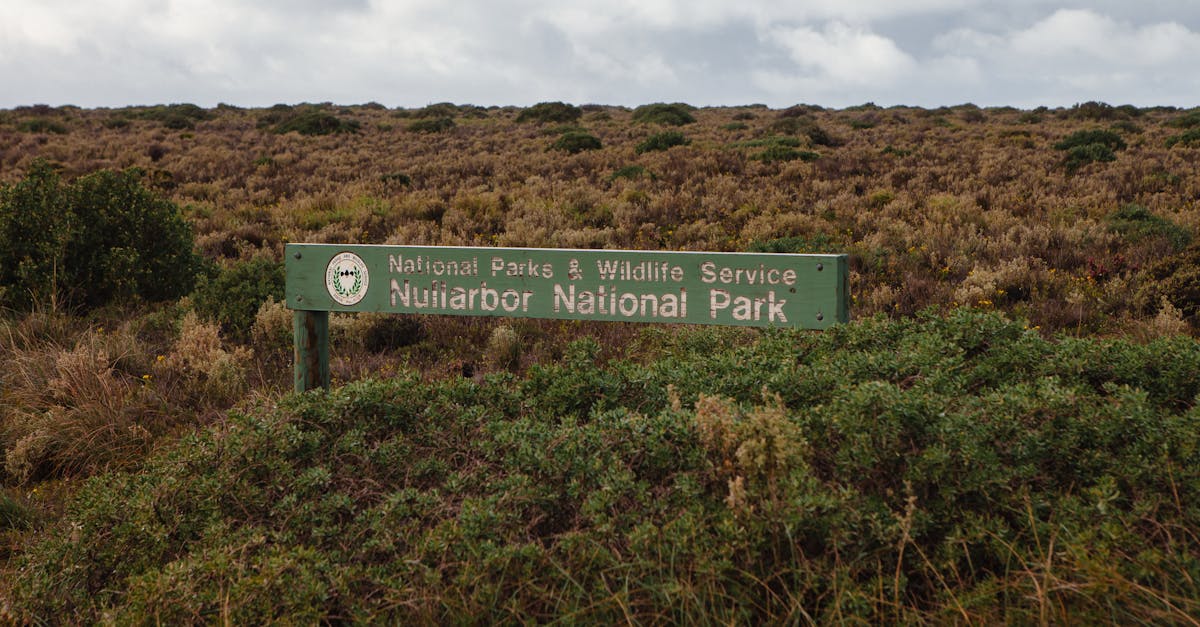 This photo was taken by Ann Barnes on Pexels.
From the geysers of Yellowstone to the red rocks of Arches, America's National Parks offer some of the most breathtaking landscapes on the planet. Yet, for families and avid explorers alike, the cumulative cost of entry fees can quickly add up, often making a single trip feel like a financial stretch. That's where the National Park Service Annual Pass comes in—a gateway that promises unlimited access to over 2,000 federal recreation sites across the country. But before you hand over your credit card, it's essential to determine if this pass truly aligns with your travel habits and budget. In this post, we'll break down exactly when the investment pays for itself, highlight five must-visit parks that make the pass an absolute steal, and explore alternative passes tailored to different travel styles. Whether you're planning a summer road trip or looking for year-round outdoor adventures, let's dive into whether the All-In-One Pass is the smart choice for your next American journey.
Breaking Down the Costs: When Does a Pass Pay for Itself?
Calculating the true value of an Annual Pass requires a quick mental math exercise based on your travel style and itinerary. The standard $80 pass covers entrance fees for all national parks and federal recreational lands, which typically range from $25 to $35 per vehicle or $15-$20 per person at major sites like Yellowstone, Zion, or Grand Canyon. If you plan to visit just three different national parks in a single year, the pass has already paid for itself; however, the equation becomes even more compelling if your trip includes multiple days within a single park, as many locations charge daily fees that quickly add up beyond the initial investment.
Beyond simple entry, the pass transforms your budget by eliminating the friction of paying at every gate, allowing you to explore spontaneous side trips without worrying about the cost of admission. This financial flexibility is particularly valuable during peak seasons when popular parks may have limited parking or require timed-entry reservations that are often bundled with pass holders. For families, the savings multiply significantly since children under 15 enter for free anyway, but adults and teenagers would otherwise incur separate charges, making the annual pass a strategic tool for maximizing your vacation dollars while encouraging deeper exploration of America's natural treasures.
 This photo was taken by Matthew Jesús on Pexels.
Top 5 National Parks You Can't Miss with Your Annual Pass
With an Annual Pass granting you unlimited access to over 2,000 federal recreation sites, the Great Smoky Mountains National Park stands as a non-negotiable first stop for any traveler. This sprawling sanctuary in Tennessee and North Carolina offers a breathtaking tapestry of ancient mountains and diverse wildlife, all without an entrance fee thanks to your pass. Beyond the iconic Clingmans Dome and the scenic Newfound Gap Road, you can spend days hiking the Appalachian Trail or wandering through mist-covered coves that feel like stepping back in time, making it the perfect starting point for a season of exploration.
Once you have mastered the peaks of the East, your pass unlocks the dramatic geologic wonders of Zion National Park in Utah, where towering sandstone cliffs pierce the sky and narrow slot canyons offer an adventure unlike any other. Whether you are tackling the Angels Landing trail or simply enjoying the Virgin River's serene banks, the value of your pass becomes immediately apparent as you skip the line at the visitor center. Completing this top five list requires a visit to Yellowstone, where your pass covers entry to the world's largest active geothermal area, allowing you to witness Old Faithful erupt and bison roam freely against a backdrop of volcanic history that defines the American West.
 This photo was taken by Boys in Bristol Photography on Pexels.
Alternatives to Consider: Which Pass Fits Your Travel Style?
If you find that the annual "America the Beautiful" pass doesn't align with your specific itinerary, there are several targeted alternatives worth exploring. For travelers focused exclusively on a single state, such as those planning an epic road trip through California or Colorado, purchasing a state-specific park pass often provides better value and includes access to local recreational areas not covered by the federal program. Similarly, if your travels are concentrated within just one major destination like Yosemite or Zion, buying individual entry tickets for those few days might be more economical than committing to a full-year subscription, especially if your visit is brief.
For nature enthusiasts who prefer urban green spaces over rugged wilderness, consider passes offered by city parks departments or regional trail systems, which frequently include bike rentals, guided tours, and museum entries at a fraction of the cost of a national pass. Additionally, members of organizations like the National Wildlife Federation or various outdoor gear clubs may receive discounted or complimentary access to protected lands as part of their membership perks. By carefully assessing where you plan to spend your time and what amenities matter most to your travel style, you can select the option that maximizes your experience without overspending on unnecessary coverage.
 This photo was taken by Chen EdisoN on Pexels.