National Parks 101: Planning Your First American Adventure
 This photo was taken by PHILIPPE SERRAND on Pexels.
There is something truly magical about the vast, untamed beauty of America's National Parks, from the geothermal wonders of Yellowstone to the towering redwoods of California. Whether you are a seasoned hiker or a curious first-timer, embarking on an adventure through these protected lands promises memories that will last a lifetime. However, with over 60 parks to choose from and varying regulations, planning your inaugural trip can feel overwhelming. This guide is designed to demystify the process, helping you select the perfect destination that aligns with your passions, pack the essential gear and secure necessary permits, and craft a smart itinerary to maximize every moment spent in the wild. Get ready to explore the crown jewels of our national heritage with confidence.
Choosing Your First Park: Matching Interests to Landscape
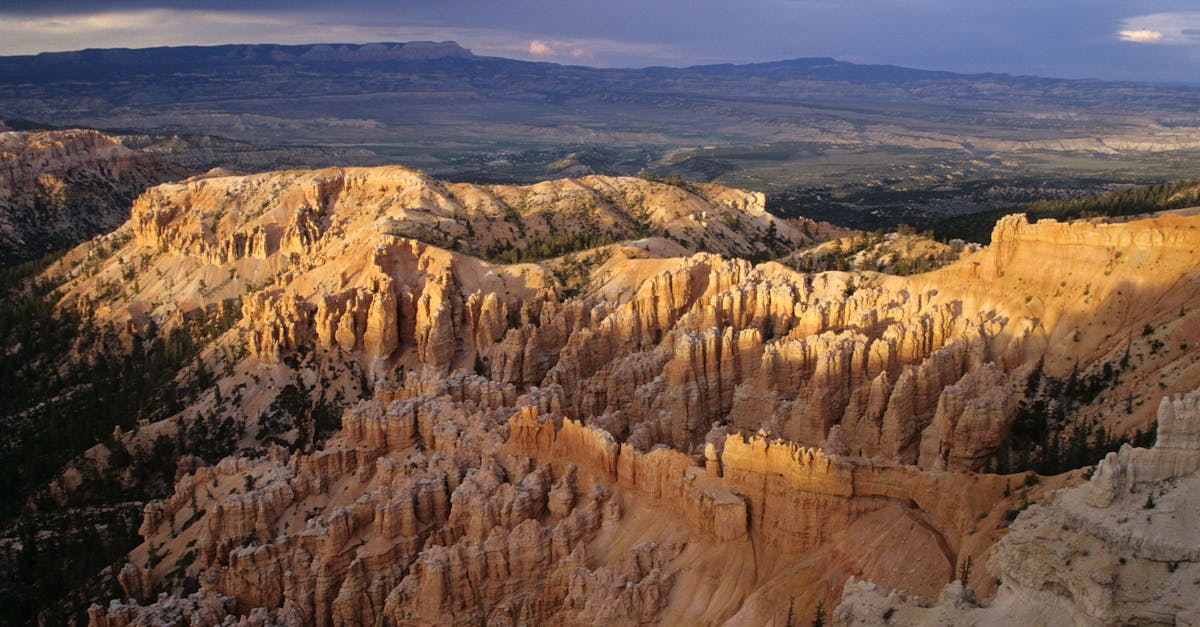
When embarking on your first American adventure, the sheer diversity of the National Park System can be overwhelming, but the key to a memorable trip lies in aligning your personal interests with the specific landscape you choose. If you are drawn to the dramatic geology and otherworldly colors of volcanic activity, Yellowstone or Zion offers an immersive experience filled with geysers, slot canyons, and rugged plateaus that demand hiking boots and a sense of wonder. Conversely, if your heart belongs to serene waters and lush greenery, the Great Smoky Mountains or Olympic National Forest provide gentle trails through ancient forests and mist-covered peaks, perfect for birdwatchers, photographers seeking soft light, or families looking for accessible nature without the high-altitude challenges.
Once you have identified the type of scenery that sparks your imagination, consider the physical demands and seasonal timing associated with that environment to ensure your visit is both safe and enjoyable. A park like Arches in Utah requires early morning starts during scorching summers to navigate delicate sandstone formations, while Denali in Alaska offers a unique wildlife viewing opportunity best experienced in the short summer window when tundra blooms and animals are most active. By researching these nuances ahead of time, you transform a generic "park visit" into a tailored expedition where the landscape becomes a character in your story, ensuring that your first encounter with America's natural treasures leaves you inspired rather than exhausted.
 This photo was taken by The Lazy Artist Gallery on Pexels.
Essential Gear and Permits You Can't Leave Home Without
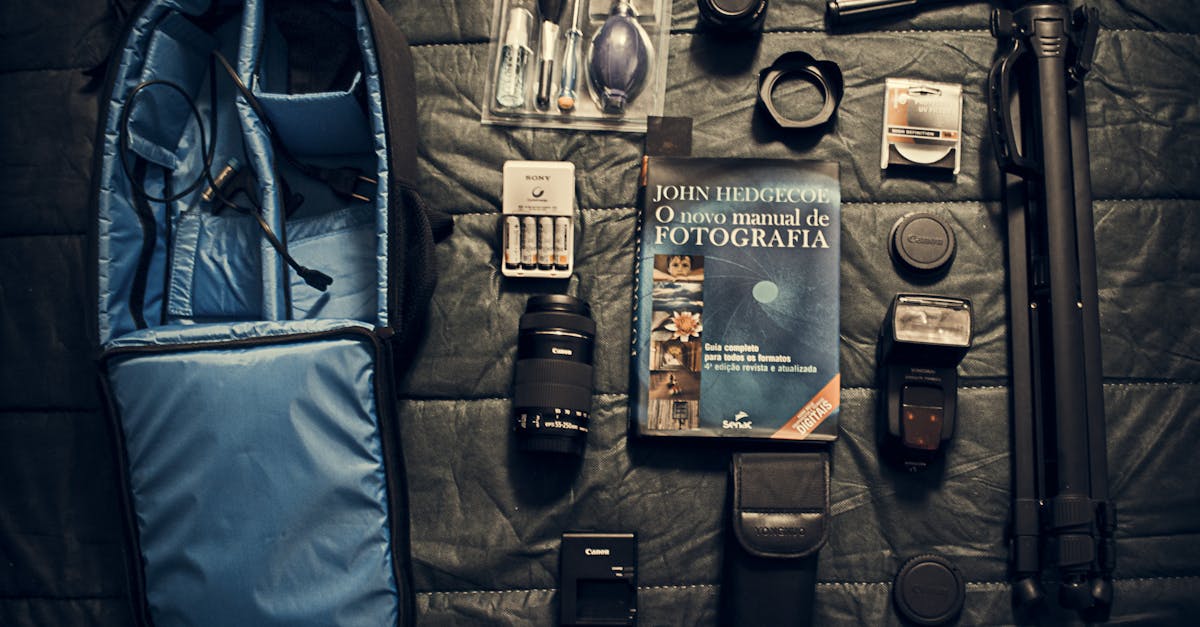
Before you hit the trail, assembling the right gear is your first step toward a safe and enjoyable journey through America's wild landscapes. The "Ten Essentials" are non-negotiable for any hiker: sturdy broken-in hiking boots, moisture-wicking layers to handle rapid weather shifts, a reliable map and compass (or offline GPS), a headlamp with extra batteries, and a comprehensive first-aid kit. Don't forget a durable water filtration system or purification tablets, as natural water sources in parks like Yellowstone or Yosemite require treatment before drinking. While smartphones are ubiquitous, they are no substitute for physical navigation tools when cell service vanishes in remote canyons or deep forests, so packing a paper map of your specific destination is crucial for peace of mind.
Equally important is securing the necessary permits and passes before you even pack your car, as many popular destinations operate on strict capacity limits. A single entry fee often grants access to just one park for seven days, but if your itinerary includes multiple sites, purchasing an annual "America the Beautiful" pass is a cost-effective solution that covers entrance fees at over 2,000 federal recreation areas, including all National Parks. Be aware that specific activities such as backcountry camping, climbing peaks like Half Dome in Sequoia, or accessing restricted zones in Glacier National Park require separate, advance reservations that can sell out months ahead of time. Checking the official National Park Service website well in advance to secure these permits will prevent you from being turned away at the gate, ensuring your adventure begins smoothly rather than with frustration.
 This photo was taken by Maurício Mascaro on Pexels.
Smart Itineraries for Maximizing Time in the Wild
Maximizing your time in America's vast wilderness begins with a strategic approach to timing and location, as the difference between a rushed visit and an immersive experience often lies in when you arrive. By leveraging early morning hours before 8 AM, you can secure prime parking spots at popular trailheads like those in Yellowstone or Zion while avoiding the midday crowds that can turn serene landscapes into chaotic thoroughfares. Smart itineraries also involve mapping out "micro-adventures" that fit into tight schedules; for instance, instead of attempting a multi-day trek across Yosemite's Valley Floor in a single day, prioritize one iconic loop trail followed by a scenic drive along Glacier Point Road, ensuring you capture the essence of the park without exhausting yourself.
To truly optimize your schedule, utilize real-time data tools and park-specific apps that track road closures, shuttle availability, and wildlife activity patterns, which can shift dramatically depending on the season. Planning your route backwards from sunset is another powerful tactic, allowing you to position yourself at vantage points like Mesa Arch in Canyonlands or the Grand Prismatic Spring overlook just as the golden hour light transforms the terrain. Whether you are navigating the rugged trails of the Great Smoky Mountains or the geothermal wonders of Iceland's neighbor in the US, a flexible yet structured plan that accounts for travel buffers between sites will ensure your first American adventure remains focused on discovery rather than logistics.
 This photo was taken by Mike Bird on Pexels.