Public Transportation vs. Renting a Car: Navigating US Cities
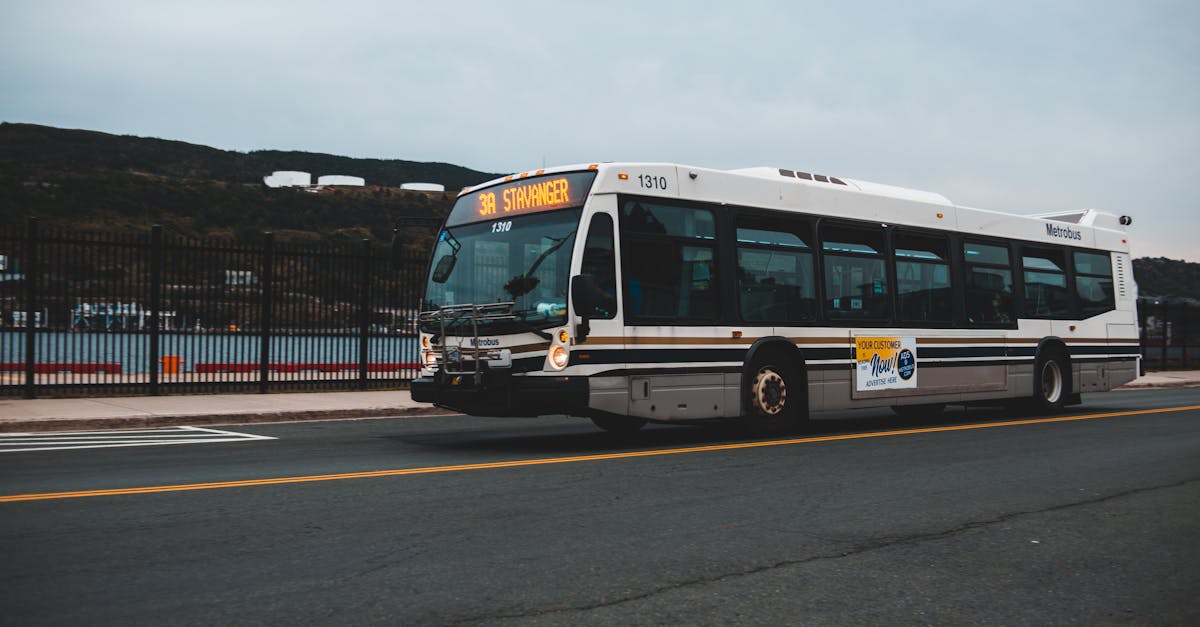 This photo was taken by Erik Mclean on Pexels.
Welcome to the heart of the American road trip experience! Whether you are planning a whirlwind tour of New York City or a scenic drive through the sprawling suburbs of Los Angeles, one of the most critical decisions you'll face is how to get around. The United States offers a unique blend of world-class public transit systems and an extensive network of highways that beckon travelers with their freedom. But which option truly suits your itinerary? In this guide, we'll dive deep into the convenience of city subways and buses, explore exactly when renting a car becomes the superior choice, and break down the real costs of parking fees versus daily transit passes. Get ready to navigate US cities with confidence, ensuring your journey is as smooth and budget-friendly as possible.
The Convenience of City Subways and Buses
Navigating major American metropolises like New York, Chicago, or San Francisco without a personal vehicle can be surprisingly seamless thanks to their extensive public transit networks. The subway systems in these cities offer rapid, reliable access to neighborhoods that are often gridlocked by traffic, allowing tourists to bypass parking nightmares and high downtown fees with ease. Whether you are hopping on the iconic "L" train in Chicago or riding the yellow cabs and buses in Manhattan, these services run frequently from early morning until late at night, providing a cost-effective way to explore museums, historic districts, and vibrant dining scenes without the stress of finding a spot in a crowded lot.Beyond subways, city buses complement rail lines by reaching areas where trains do not go, ensuring comprehensive coverage across sprawling urban landscapes. For visitors, this means greater flexibility to discover hidden gems off the main tourist paths while enjoying the local atmosphere from street level. Many cities now offer user-friendly mobile apps and contactless payment options, making it as simple to tap your phone as it is to rent a car, yet significantly more economical when factoring in fuel, insurance, and daily parking costs. By embracing the convenience of public transportation, travelers can focus entirely on the experience of the city rather than the logistics of driving through unfamiliar streets.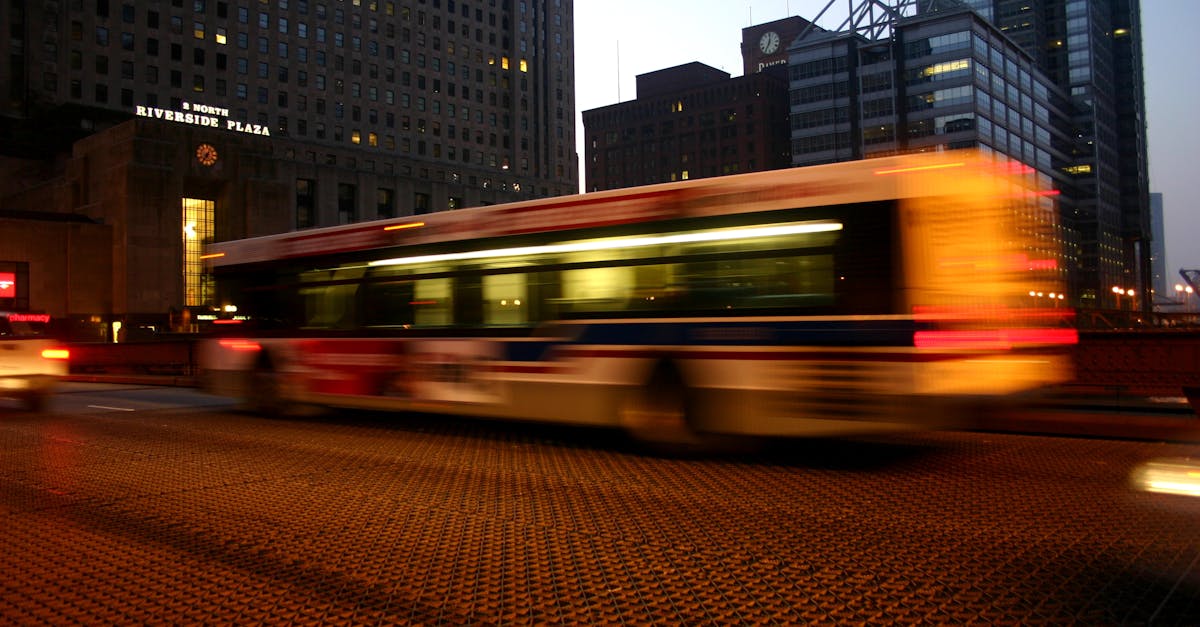 This photo was taken by Marcus Frieze on Pexels.
When Renting a Car is the Better Choice
While major metropolitan hubs like New York City and Washington D.C. boast extensive transit networks, renting a car becomes the superior choice once you venture beyond city limits or plan to explore regions with sparse public infrastructure. In destinations such as the American Southwest, where national parks are vast and scattered, or rural areas of the Midwest and South, buses and trains often run on infrequent schedules that can severely limit your itinerary. Having your own vehicle grants you the freedom to stop spontaneously at roadside attractions, capture golden hour photos in remote landscapes, and reach hidden gems that simply aren't accessible via mass transit, ensuring your American road trip experience is defined by discovery rather than waiting.
Furthermore, renting a car offers unparalleled convenience for families, groups, or travelers carrying significant luggage, eliminating the logistical headaches of navigating crowded subways or lugging bags onto buses across multiple transfers. In many parts of the United States, particularly during peak tourist seasons, ride-sharing services can become prohibitively expensive compared to the fixed daily rate of a rental car, making self-driving a more economical option for longer durations. This autonomy allows you to set your own pace, depart early to avoid crowds, and return late without worrying about the last train leaving, providing a level of flexibility that is essential for truly immersing yourself in the diverse geography of the country.
 This photo was taken by Daigoro Folz on Pexels.
Cost Comparison: Parking Fees vs. Transit Passes
When evaluating the true cost of navigating major US cities like New York, Chicago, or San Francisco, parking fees often emerge as a hidden financial drain that can quickly eclipse the price of a rental vehicle. In downtown districts and near popular attractions, hourly rates frequently range from $4 to $8, with daily maximums soaring between $30 and $50, not to mention the exorbitant overnight charges at hotels which can add another $25 to your nightly budget. These cumulative costs transform a seemingly convenient car rental into a luxury expense, whereas public transit passes offer a predictable, flat-rate alternative; a single-day pass in many metropolitan areas typically costs under $15, while weekly unlimited passes often drop below $30, providing significant savings for tourists who plan to spend their days exploring urban centers.
Furthermore, the value proposition shifts dramatically when considering the time lost to traffic congestion and the stress of finding legal parking spaces, factors that directly impact your overall travel budget through wasted hours that could be spent sightseeing. While renting a car might seem economical for short trips or groups splitting fuel costs, the reality in dense city grids is that transit passes eliminate these variable expenses entirely, allowing you to bypass toll booths and avoid the risk of expensive parking tickets. For the average visitor, investing in a city transit card not only reduces direct monetary outlay but also unlocks access to extensive networks of buses and subways that reach neighborhoods far beyond what a tourist would reasonably drive to, making it the most financially prudent choice for navigating the American metropolis.
 This photo was taken by Jakub Zerdzicki on Pexels.