Road Trip Essentials: Planning Your Ultimate US Highway Adventure
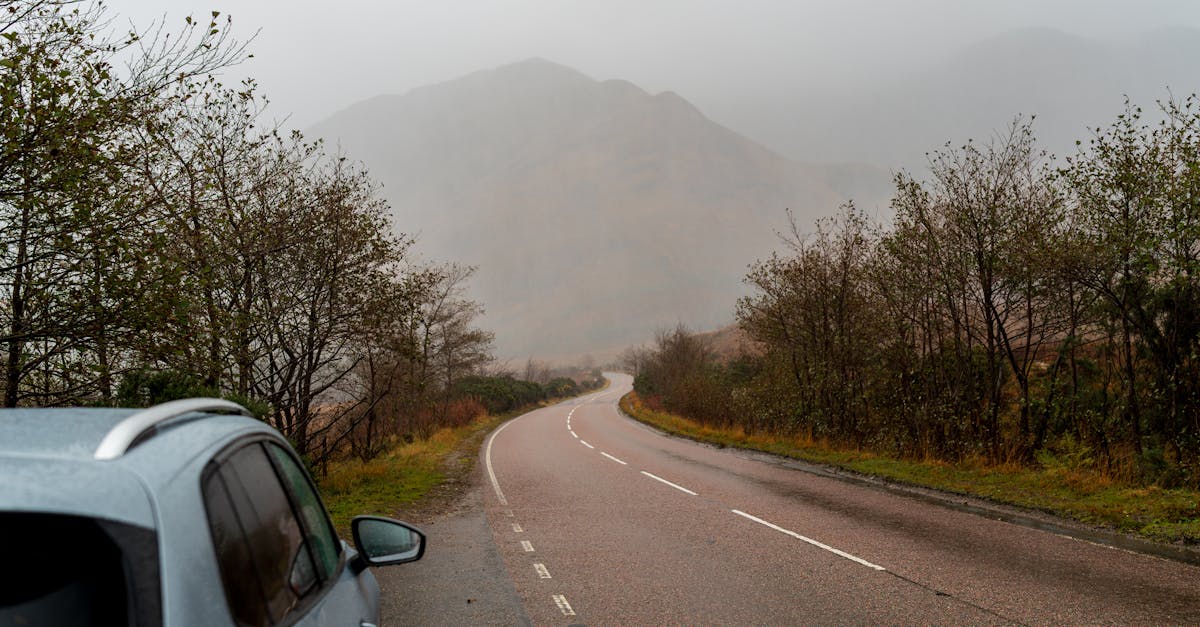 This photo was taken by Michał Robak on Pexels.
There is a unique kind of freedom that only the American landscape can offer, where the horizon stretches endlessly and every mile marker tells a story waiting to be discovered. Whether you dream of cruising along the historic Route 66, conquering the scenic loops of Pacific Coast Highway, or exploring the rugged beauty of Blue Ridge Parkway, planning the perfect road trip requires more than just a destination—it demands preparation, curiosity, and a sense of adventure. In this guide, we will walk you through curating an unforgettable itinerary by selecting the most iconic highways across the nation, packing smart with essential gear for long-distance driving, and navigating the open road with confidence while uncovering hidden gems off the beaten path. Get ready to pack your bags, fill up the tank, and embark on the ultimate US highway adventure.
Curating Your Route: Choosing the Most Iconic US Highways
Selecting the right route is the cornerstone of any unforgettable American road trip, as these iconic highways serve as more than just paths; they are living timelines of the nation's history and geography. Whether you crave the sun-drenched curves of California's Pacific Coast Highway, where the ocean meets rugged cliffs, or the historic nostalgia of Route 66 stretching from Chicago to Santa Monica, each corridor offers a distinct narrative. To curate your journey effectively, consider what era or landscape resonates most with your travel style, balancing the desire for scenic vistas with practical stops at roadside diners, vintage motels, and national parks that define the spirit of the open road.
Once you have identified your primary highway, the true magic lies in weaving a flexible itinerary that allows for spontaneous discoveries along the way. Don't feel constrained by mile markers; instead, treat your chosen route as a thematic thread connecting diverse cultural hubs and natural wonders, perhaps detouring to explore the jazz heritage of New Orleans on the Gulf Coast or the artistic vibrancy of Sedona near Flagstaff. By prioritizing experiences over speed and allowing room for unplanned adventures, you transform a simple drive into an immersive expedition, ensuring that every turn reveals a new facet of the United States' incredible diversity and charm.
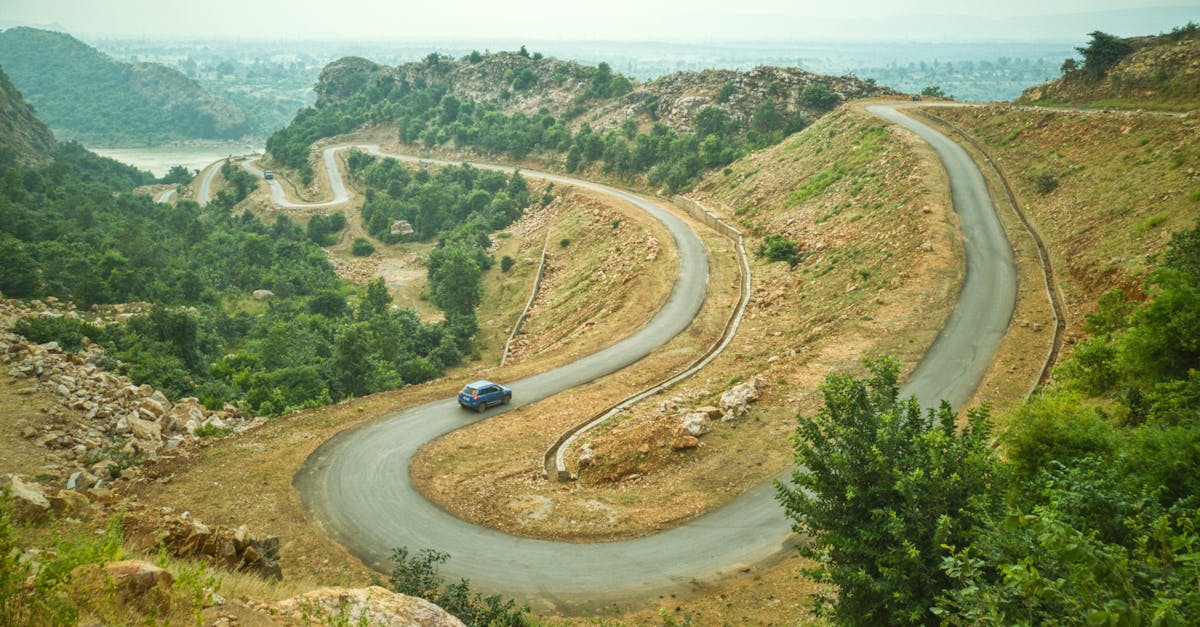 This photo was taken by MANAS PALKAR on Pexels.
Packing Smart: The Must-Have Gear for Long-Distance Driving
When embarking on a cross-country journey across the diverse landscapes of the United States, your vehicle's glove box and trunk must serve as a mobile command center for comfort and safety. Start with a robust emergency kit that includes jumper cables, a tire repair kit, a portable air compressor, and plenty of reflective warning triangles, as you may find yourself miles away from the nearest service station in states like Nevada or Montana. Don't forget to pack a comprehensive first-aid kit with any necessary prescription medications, along with a well-stocked cooler filled with water, electrolyte drinks, and non-perishable snacks like nuts, granola bars, and dried fruit to keep energy levels stable during those long stretches of monotonous highway driving.
Beyond survival gear, optimizing your travel experience requires thoughtful preparation for the changing climates you will encounter, from the humid swamps of Louisiana to the crisp mountain air of Colorado. Layered clothing is essential; bring moisture-wicking base layers, warm fleece jackets, and a waterproof shell to handle sudden weather shifts without taking up excessive space. Finally, ensure your entertainment and navigation systems are fully charged by packing high-capacity power banks, a universal car charger, and a physical map or atlas as a reliable backup to digital GPS signals, which can be spotty in remote national parks and rural backroads. With these essentials packed, you'll be ready to tackle the open road with confidence and style.
 This photo was taken by SHVETS production on Pexels.
Navigating the Open Road: Safety Tips and Hidden Gems
Embarking on an American road trip requires more than just a full tank of gas and a playlist; it demands a proactive approach to safety that respects the vast distances and varied terrains of our highways. Before you hit the pavement, ensure your vehicle is thoroughly inspected for tire pressure, fluid levels, and brake functionality, as breakdowns in remote areas like the Mojave Desert or the Rocky Mountains can be hazardous. Always keep a well-stocked emergency kit containing water, non-perishable snacks, a first-aid supply, and a physical map, as cellular service can be spotty in rural regions. Additionally, practice defensive driving by staying alert for wildlife crossings at dawn and dusk, and never hesitate to pull over if fatigue sets in, utilizing rest stops strategically to maintain focus throughout your journey.
While major attractions like the Grand Canyon or Times Square are essential, the true magic of a US highway adventure often lies in the hidden gems tucked away off the beaten path. Venture onto scenic byways such as the Blue Ridge Parkway in Virginia or the Tail of the Dragon in Tennessee to discover charming small towns with historic diners serving authentic regional cuisine, roadside museums dedicated to quirky local lore, and unspoiled hiking trails that offer panoramic views without the crowds. These detours not only break up the monotony of long drives but also provide a deeper connection to the diverse cultural tapestry of the United States, turning a simple transit between cities into a memorable exploration of America's heartland.
 This photo was taken by Skylar Kang on Pexels.