Seasonal Guide: When to Visit Each Region of America
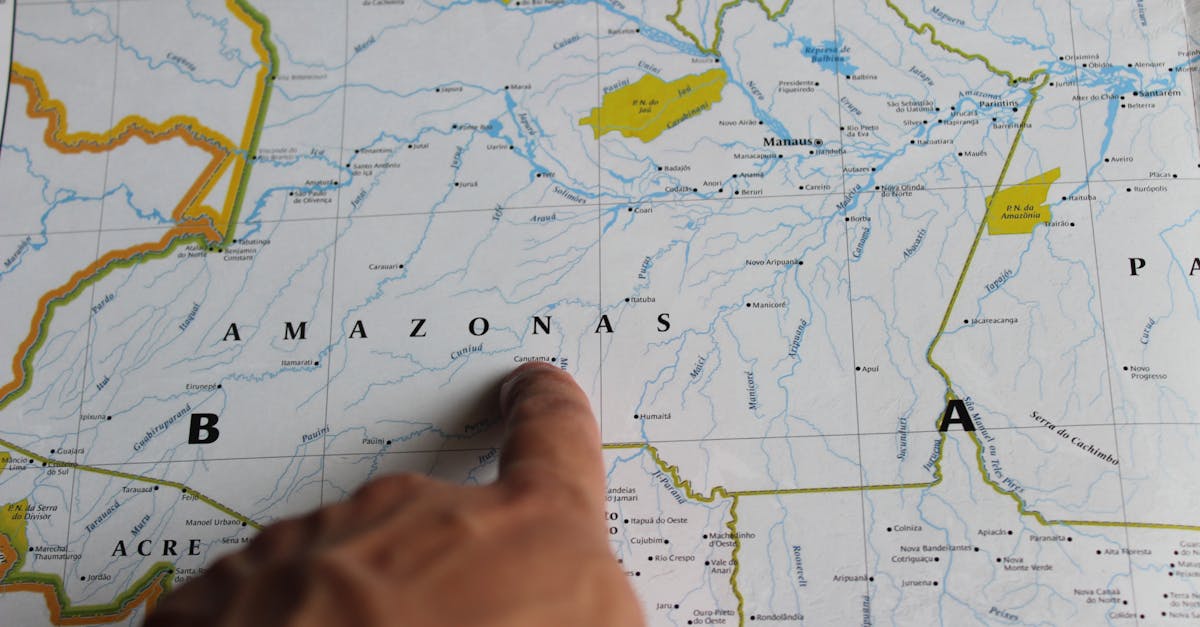 This photo was taken by Levy Marchetto on Pexels.
America is a land of staggering diversity, where the crisp air of New England in autumn feels worlds away from the humid warmth of a Florida summer or the dry heat of the Arizona desert. Whether you are chasing the vibrant cherry blossoms along the East Coast, seeking the golden sunsets over the Pacific, or hoping to catch the snow-capped peaks of the Rockies in their prime, timing is everything to your travel experience. In this guide, we'll break down the ideal seasons for every corner of the country, helping you navigate the shifting weather patterns and seasonal highlights so you can plan the perfect American adventure, no matter when you choose to explore.
Spring Blooms and Summer Sunsets: The East Coast & New England
 This photo was taken by AXP Photography on Pexels.
Desert Heat and Coastal Breezes: The Southwest and West Coast
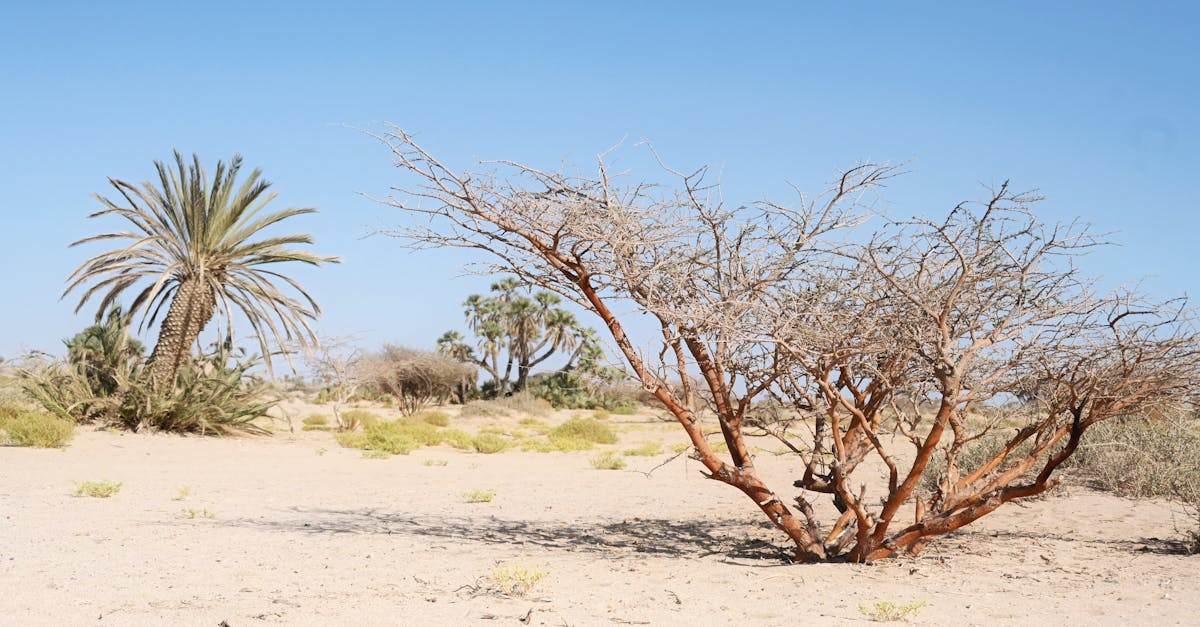
When exploring the American Southwest, timing is everything to avoid the scorching desert heat that can make hiking and sightseeing in places like the Grand Canyon or Death Valley perilous during the summer months. The ideal window for visiting this sun-drenched region is from October through April, when daytime temperatures are mild and perfect for traversing red rock formations and ancient canyons without the risk of heat exhaustion. During these cooler months, you can fully immerse yourself in the stark beauty of the Mojave and Sonoran deserts, enjoying clear night skies for stargazing and vibrant wildflower blooms in spring, while ensuring your adventures remain comfortable and safe under the vast blue sky.
In stark contrast, the West Coast offers a refreshing escape with its famous coastal breezes, particularly along the iconic Pacific Highway stretching from California to Oregon. While summer brings foggy mornings and crisp air to Northern California, Southern California enjoys its most pleasant weather between late spring and early autumn, making it the prime time for beach days in San Diego or surfing in Santa Cruz. Visiting during these shoulder seasons allows travelers to experience the dynamic interplay between the cool ocean currents and warm inland valleys, providing the perfect backdrop for outdoor activities ranging from whale watching off the coast of Monterey to scenic drives through the vineyards of Napa Valley, all while avoiding the peak tourist crowds of mid-summer.
 This photo was taken by French Sweetie on Pexels.
Mountain Peaks and Southern Charm: The Rockies, Midwest, and South
For travelers seeking the majestic grandeur of the American West, the Rocky Mountains offer an awe-inspiring backdrop that transforms dramatically with the seasons. Summer and early autumn are ideal for hiking through alpine meadows bursting with wildflowers or driving the iconic Trail Ridge Road, while winter turns these peaks into a world-class destination for skiing and snowboarding in states like Colorado and Wyoming. Just to the east, the Midwest provides a contrasting yet equally captivating experience, where rolling hills and vast prairies shine during the vibrant green of late spring and the fiery hues of fall foliage, offering perfect conditions for road trips through national parks and historic small towns.
When the weather cools in the north, the South beckons with its legendary Southern charm, characterized by warm hospitality, rich history, and lush landscapes that thrive year-round. Spring brings a riot of color from blooming dogwoods and azaleas across Tennessee, Georgia, and Alabama, making it the premier time for exploring plantations and city gardens, while mild winters allow for comfortable sightseeing without the oppressive humidity of summer. Whether you are wandering through the misty coves of the Great Smoky Mountains or enjoying a porch swing in Savannah, the combination of natural beauty and cultural warmth ensures that the South remains a timeless favorite for visitors at any time of year.
 This photo was taken by Caique Araujo on Pexels.