Seasonal Splendor: When to Visit Each Region for Peak Beauty
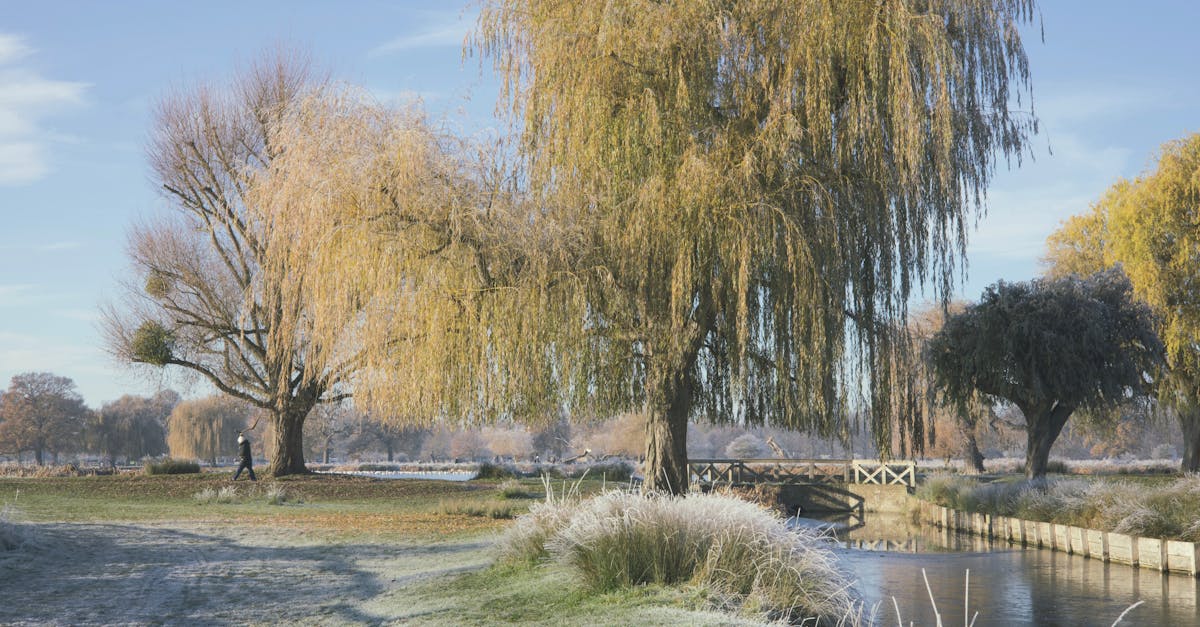 This photo was taken by Stephen Noulton on Pexels.
From the vibrant streets of New York to the rugged coastlines of California, the United States offers a kaleidoscope of landscapes that shift dramatically with the changing seasons. Whether you are chasing the fiery hues of fall leaves, seeking the rare blooms of desert springs, or yearning for the misty waterfalls of lush forests, timing is everything to truly experience the country's natural splendor. In this guide, we will journey across three distinct regions to reveal the perfect moments to witness their peak beauty, ensuring your next American adventure is nothing short of unforgettable.
Autumn's Golden Glow: The Best Time to Witness New England's Foliage
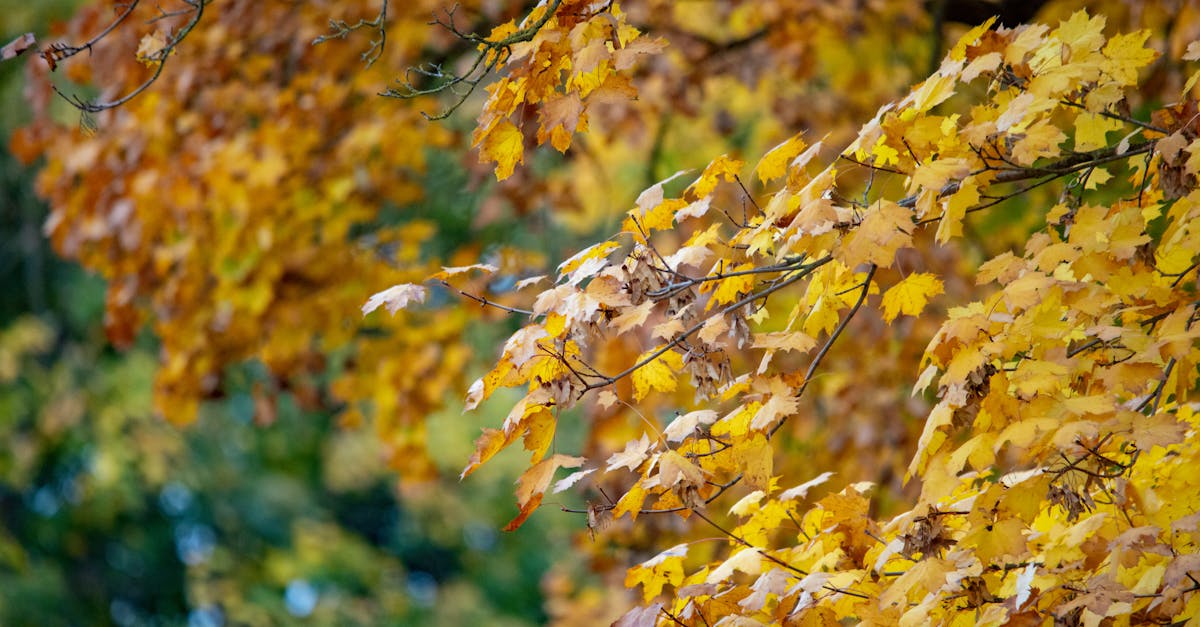
There is perhaps no more iconic image of the American landscape than the fiery tapestry of red, orange, and gold that blankets New England each October. As the air turns crisp and the days shorten, the region's ancient sugar maples, vibrant oaks, and fiery birches transform into a breathtaking spectacle that draws visitors from around the globe. This seasonal migration typically peaks between late September in northern Vermont and mid-October in southern Connecticut, offering a fleeting window where nature puts on its most dramatic show. Whether you are driving the scenic routes of the Kancamagus Highway or wandering through the historic streets of Stowe, the golden glow of autumn provides an unforgettable backdrop for photography, hiking, and cozying up in charming bed-and-breakfasts.
To fully immerse yourself in this natural wonderland, timing your visit to coincide with the peak foliage forecast is essential for the best experience. Local tourism boards often provide detailed "foliage trackers" that monitor color progression week by week, ensuring you don't miss the crescendo of the season. Beyond the visual splendor, autumn in New England offers a rich cultural calendar filled with harvest festivals, pumpkin patches, and apple picking at orchards that have been family-run for generations. The combination of stunning scenery, mild weather perfect for outdoor exploration, and the warm hospitality of the locals makes this time of year not just a sightseeing opportunity, but a celebration of the region's unique heritage and natural beauty.
 This photo was taken by Pawel Hordjewicz on Pexels.
Summer Sunsets & Desert Bloom: When to Explore the Southwest
As the sweltering heat of July begins to soften in the Southwest, the desert transforms into a canvas of golden light and vibrant color, making late summer the perfect time for witnessing nature's most dramatic displays. During these months, the iconic sunsets over the red rock canyons of Arizona and the vast expanses of Utah paint the sky in hues of burnt orange, deep violet, and electric pink, creating a spectacle that photographers and dreamers alike travel thousands of miles to capture. While midday temperatures remain high, the evenings bring a crisp, refreshing coolness that invites leisurely strolls through ancient landscapes, where the silence is only broken by the distant call of a coyote or the rustle of wind through Joshua trees.
Although often associated with arid barrenness, the Southwest undergoes a magical seasonal shift when monsoon rains arrive, triggering a phenomenon known as the "superbloom" in certain regions like the Sonoran Desert and parts of Nevada. This fleeting window, typically occurring from late August through September, sees resilient wildflowers such as desert marigolds, Indian paintbrush, and prickly pear blossoms erupting in bursts of yellow, red, and white against the stark earth tones of the terrain. Exploring during this specific timeframe offers a unique opportunity to witness the resilience of life in one of America's harshest environments, providing an unforgettable contrast between the dry, dusty ground and the sudden explosion of delicate floral beauty that defines the region's hidden splendor.
 This photo was taken by Masi on Pexels.
Spring Awakening in the Pacific Northwest: Wildflowers and Waterfalls
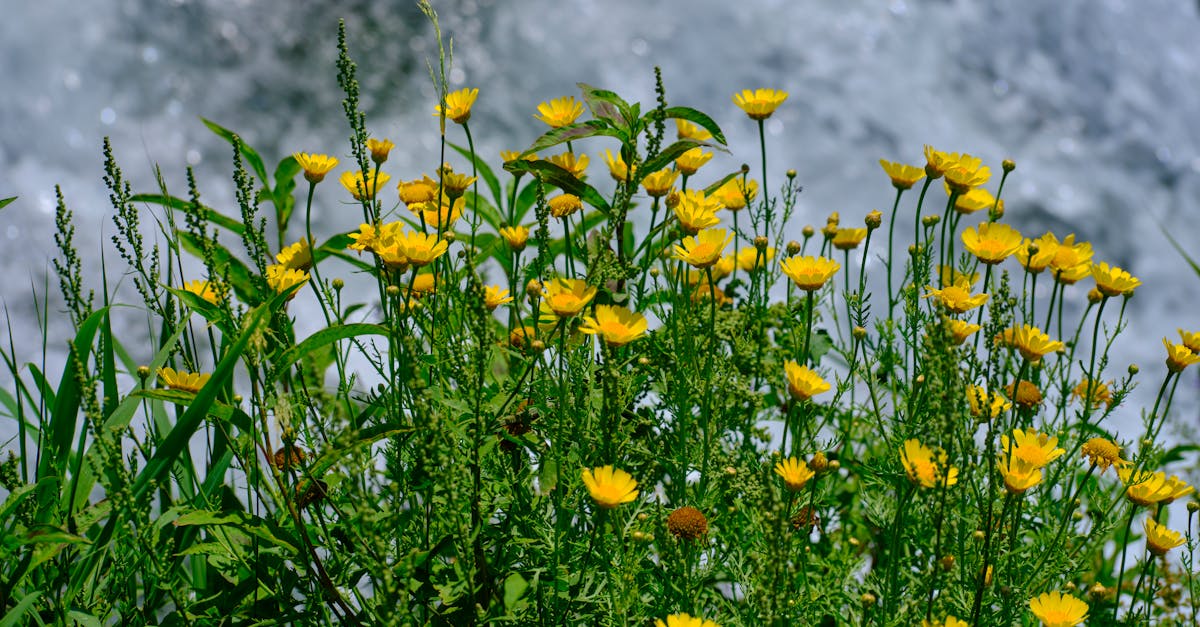
As winter's grip loosens across the Pacific Northwest, the region transforms into a breathtaking tapestry of color and motion, marking the perfect time for wildflower enthusiasts to explore. From mid-April through June, meadows in Olympic National Park and the high Cascades erupt with vibrant displays of lupines, paintbrushes, and avalanche lilies, painting the slopes in hues of purple, red, and gold. This seasonal bloom is not merely a visual feast; it signals the awakening of local ecosystems, drawing hikers to trails like the Skyline Loop or the Enchantments where nature's renewal is most palpable. The crisp mountain air carries the scent of damp earth and blooming flora, creating an invigorating atmosphere that invites travelers to venture off the beaten path and witness the forest floor come alive.
Simultaneously, the melting snowpack from the previous winter feeds the region's legendary waterfalls, turning them into roaring spectacles of power and beauty before their flow diminishes later in summer. Trails leading to Multnomah Falls in Oregon or Snoqualmie Falls in Washington are particularly magical during spring, as the cascades swell to their annual peak, sending mist into the canopy and creating ethereal rainbows against the backdrop of evergreen forests. Visitors can enjoy guided tours or self-guided hikes along these wet, lush paths, where ferns unfurl and moss glows emerald under the softening sunlight. This convergence of abundant water and explosive floral growth makes the Pacific Northwest a premier destination for photographers and nature lovers seeking the raw, untamed splendor of the changing seasons.
 This photo was taken by Engin Akyurt on Pexels.