Seasonal Splendor: When to Visit for Fall Foliage or Winter Snow
 This photo was taken by Atlantic Ambience on Pexels.
From the fiery canopy of New England's maple groves to the pristine, silent slopes of Colorado's Rockies, the United States offers some of the world's most breathtaking seasonal transformations. Whether you are chasing the vibrant hues of peak autumn or seeking the magic of a fresh winter snowfall, timing is everything to unlock the full splendor of our landscapes. In this guide, we'll navigate the optimal windows for color and climate while revealing hidden gems during the shoulder seasons, ensuring your trip balances unforgettable scenery with comfortable crowds. Get ready to plan your perfect getaway as we explore when to visit for nature's most spectacular shows.
Peak Autumn Colors: The Best Times for Fall Foliage
For those chasing the fiery tapestry of autumn across the United States, timing is everything as the seasons shift from late August to mid-November. The Northeast, particularly Vermont, New Hampshire, and Maine, typically ignites first with brilliant reds and golds in early October, offering a postcard-perfect backdrop of historic covered bridges and quaint villages. As you travel southward through the Blue Ridge Parkway in Virginia and North Carolina, or westward into the Smoky Mountains, the peak color display often arrives in late October, creating a breathtaking gradient of hues that stretches for miles along winding mountain roads.
To fully immerse yourself in this seasonal splendor, plan your trip during the "leaf peeping" weeks when temperatures are crisp and daylight hours begin to shorten, signaling nature's grand finale before winter sets in. While the exact dates fluctuate yearly based on rainfall and temperature, visiting national parks like Acadia in Maine or Shenandoah in Virginia during these windows guarantees an unforgettable experience. Whether you are hiking through vibrant forests, driving scenic byways, or simply sipping hot cider in a local town, the fall foliage season offers a magical atmosphere that defines the American landscape.
 This photo was taken by Loic Van Montagu on Pexels.
Winter Wonderland: When to Catch the Perfect Snowfall
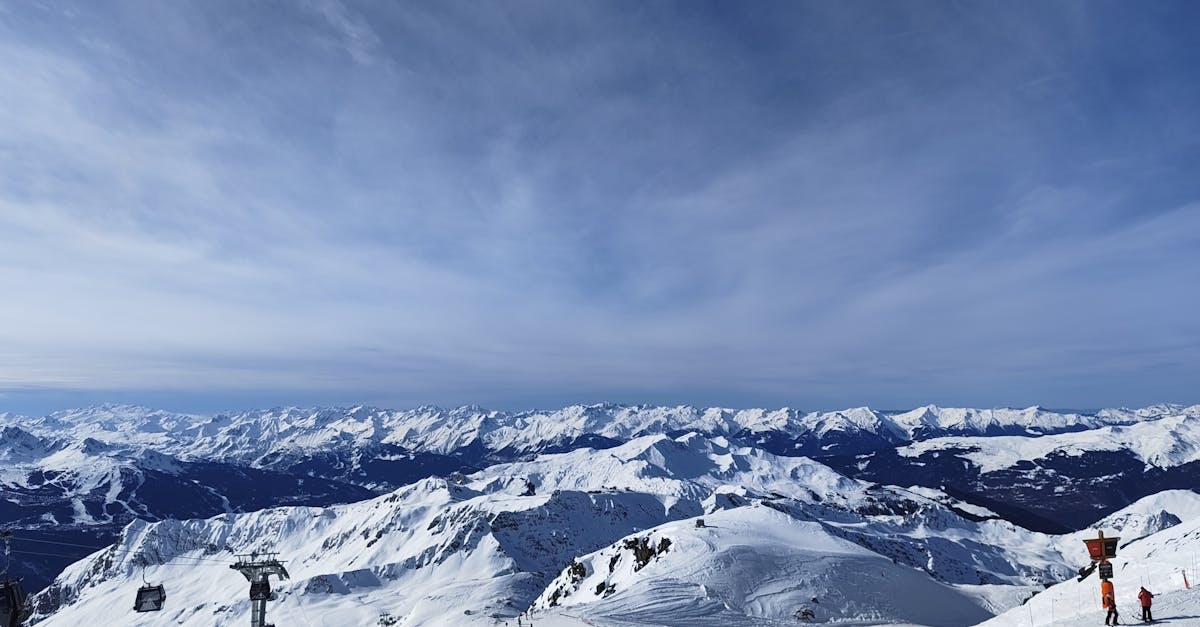
For those seeking the pristine magic of a winter wonderland, timing is everything when planning your American snow adventure. The prime window for guaranteed snowfall typically spans from late December through early February, with peak conditions often hitting in January across the northern tier states and high-altitude mountain ranges. Whether you are dreaming of powder days on the slopes of Colorado's Rocky Mountains or a cozy cabin retreat in the White Mountains of New Hampshire, visiting during these coldest months ensures that the landscapes are blanketed in white, creating the perfect backdrop for skiing, snowboarding, and picturesque sleigh rides.
However, the experience extends beyond just the ski resorts; the heart of the country transforms into a serene winter playground where local festivals celebrate the season with ice sculpture competitions and holiday markets. If you prefer slightly milder temperatures but still want to catch the first flakes, consider targeting the shoulder seasons of late November or March, particularly in regions like Vermont or Maine, where the light is softer and the crowds are thinner. By aligning your travel dates with these specific climatic windows, you can maximize your chances of witnessing the spectacular transformation of the United States into a glittering winter scene without braving the harshest storms of mid-winter.
 This photo was taken by André Cogez on Pexels.
Shoulder Season Gems: Balancing Crowds and Weather
 This photo was taken by Gezgin Foto on Pexels.