Seasonal Travel Tips: When to Visit Each State for the Best Weather
 This photo was taken by Eren Arıcı on Pexels.
From the sun-drenched dunes of Arizona to the snow-capped peaks of Vermont, the United States offers a breathtaking tapestry of climates that shift dramatically with the seasons. Yet, planning the perfect getaway requires more than just picking a destination; it demands knowing exactly when to go to avoid scorching heat or biting cold. Whether you are chasing mild breezes in the desert, vibrant spring blooms along the coast, or crisp autumn air in the mountains, timing is everything. In this guide, we'll help you navigate the country's diverse weather patterns to ensure your next adventure aligns perfectly with your ideal conditions.
The Great Escape: Avoiding Summer Heat in the Desert Southwest
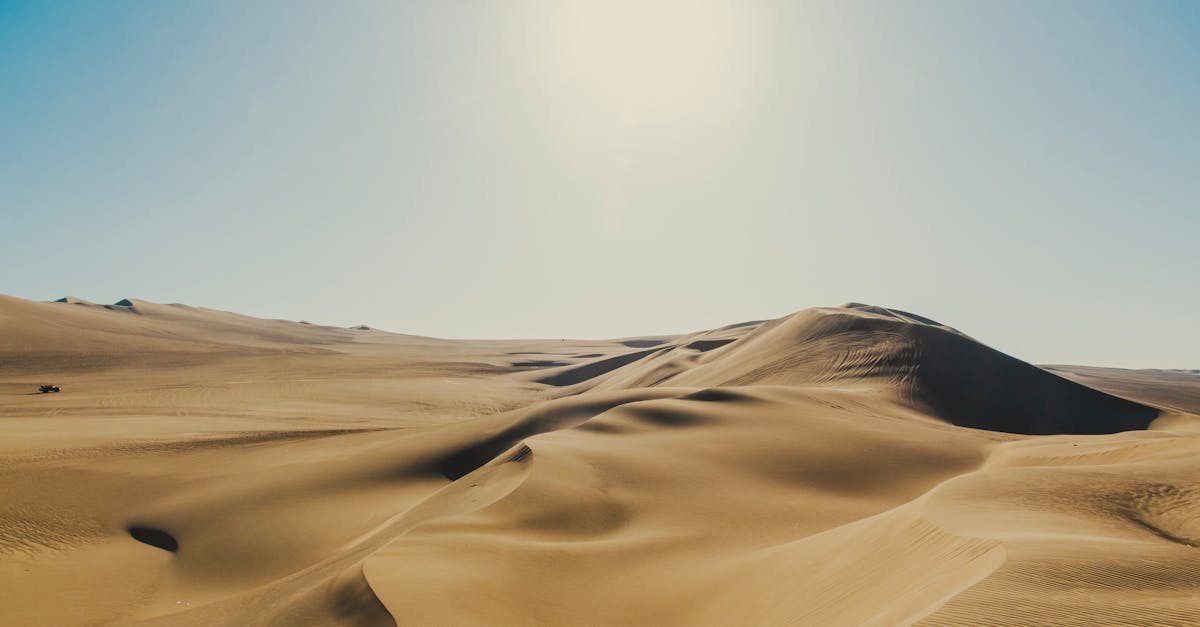
While the desert Southwest offers stunning landscapes and vibrant culture, summer months can bring sweltering temperatures that make outdoor exploration challenging, particularly in iconic destinations like Phoenix, Las Vegas, and Death Valley. Temperatures frequently soar above 100°F (38°C), creating hazardous conditions for hiking or sightseeing without proper preparation. To truly enjoy this region's natural beauty, travelers should plan their visits during the shoulder seasons of spring or fall when daytime highs are more moderate, allowing for comfortable treks through red rock canyons and easy access to historic sites without the risk of heat exhaustion.
For those who must travel during the peak summer season, strategic planning is essential to beat the heat. Opt for early morning excursions or late evening activities when the sun begins to dip below the horizon, and prioritize indoor attractions such as world-class museums, air-conditioned shopping districts, and guided night tours. Many resorts and national parks also offer special summer programs designed for cooler hours, including stargazing events and poolside relaxation, ensuring that your "great escape" remains a refreshing experience rather than an ordeal against the elements.
 This photo was taken by Gilmer Diaz Estela on Pexels.
Winter Wonderland vs. Spring Blossoms: Timing Your Visit to the Northeast and Pacific Northwest
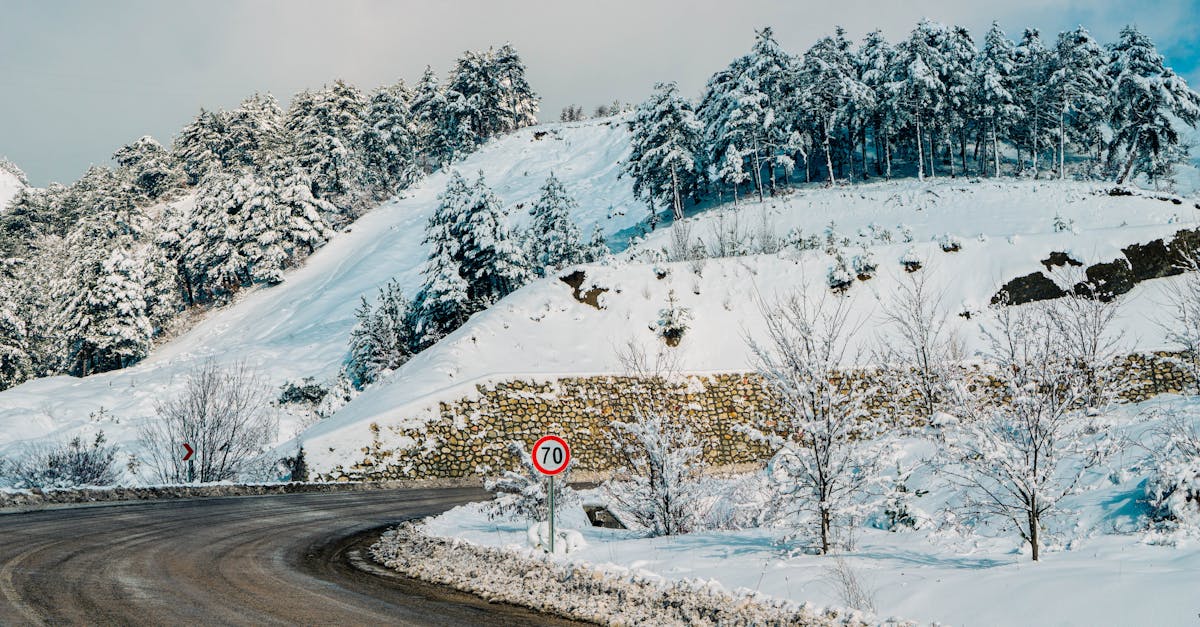
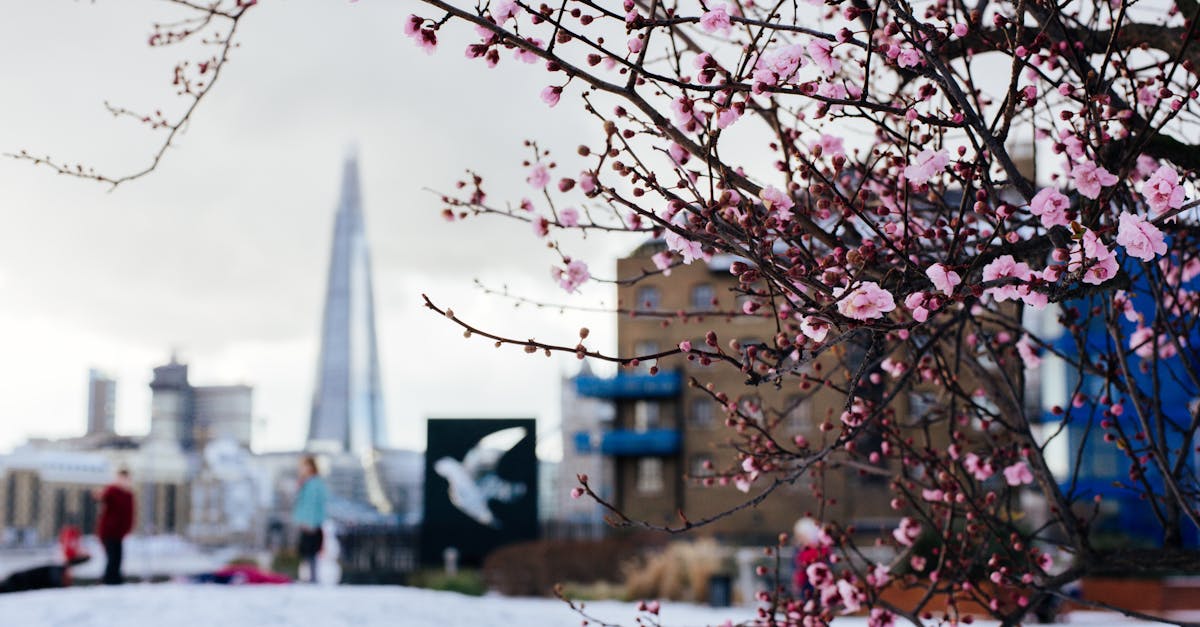
For travelers torn between the crisp, snow-dusted charm of winter and the vibrant renewal of spring, the Northeast offers a dramatic choice that defines the American seasonal experience. Visiting states like Vermont, New Hampshire, or Maine in December and January transforms the landscape into a true winter wonderland, perfect for world-class skiing, cozy cabin stays, and festive holiday markets that glow against the backdrop of white pine forests. However, if you prefer milder temperatures and the awakening of nature, timing your trip for late April through May reveals the region's hidden beauty as cherry blossoms bloom along the Potomac River in Washington, D.C., and wildflowers carpet the rolling hills of the White Mountains, offering ideal conditions for hiking without the biting cold or heavy tourist crowds of peak ski season.
In contrast, the Pacific Northwest presents its own unique seasonal rhythm where winter brings moody, atmospheric rain and snow-capped peaks rather than the dry chill found elsewhere. While visiting Seattle, Portland, or Olympic National Park during the winter months can be magical for those seeking solitude and dramatic storm-watching, the true allure often lies in the transition to spring. By late March and early April, the region bursts into life with spectacular rhododendron blooms in Oregon's coast ranges and the iconic Mount Rainier wildflower meadows beginning their slow ascent, creating a lush, green paradise that contrasts sharply with the lingering gray skies of deep winter. This period offers a sweet spot for outdoor enthusiasts who want to explore the Cascades before the summer crowds arrive, making it an unforgettable time to witness the Pacific Northwest's famous verdant transformation.
 This photo was taken by Olga Lioncat on Pexels.
Shoulder Season Secrets: Finding Perfect Weather Across the Southeast and Mountain West
While the summer months draw massive crowds to the Southeast, savvy travelers know that the true magic lies in the shoulder seasons of spring and autumn. During these transitional periods, states like Georgia, Tennessee, and the Carolinas offer mild, comfortable temperatures perfect for exploring historic cities and hiking through vibrant forests without the oppressive humidity of July or the biting chill of winter. In April and May, azaleas burst into bloom across the Blue Ridge Mountains, while October brings crisp air and spectacular foliage displays that turn the Appalachian landscape into a kaleidoscope of reds and golds, making it an ideal time for outdoor enthusiasts seeking scenic beauty and fewer lines at popular attractions.
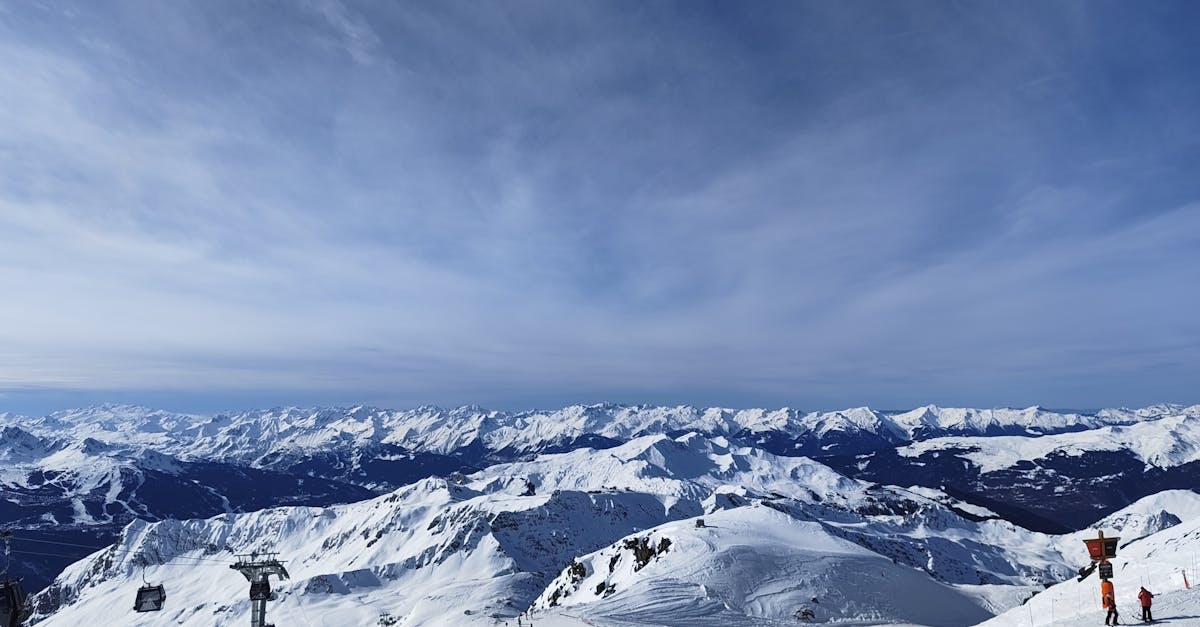
Further west, the Mountain West region transforms during the shoulder season into a haven for adventure seekers who wish to avoid the scorching heat of high-altitude deserts or the heavy snowfall that closes mountain passes in winter. Visiting Colorado, Utah, or Wyoming between late September and early November, or again in late April and May, provides a sweet spot where daytime highs are pleasant for hiking, skiing, and camping, yet the nights remain cool enough for cozy evenings by the campfire. This strategic timing allows you to experience iconic landscapes like the Grand Canyon or Rocky Mountain National Park with significantly lighter traffic, ensuring a more serene connection with nature while enjoying optimal weather conditions that cater to every type of traveler.
 This photo was taken by Loic Van Montagu on Pexels.