Seasonal Travel: When to Visit Each Region of the USA
 This photo was taken by Zetong Li on Pexels.
The United States is a vast tapestry of landscapes, climates, and cultures that shifts dramatically with the turning of the seasons. From the vibrant cherry blossoms in Washington D.C. to the golden aspens of Colorado's Rockies, timing your trip can transform a good vacation into an unforgettable experience. Whether you are chasing winter sunsets along the Gulf Coast, seeking summer snow in the Sierra Nevada, or hoping to explore our iconic National Parks without the summer rush, knowing when to go is key. In this guide, we'll help you navigate the perfect travel windows for every region, ensuring you catch nature at its most spectacular while avoiding the peak crowds.
Spring Blossoms & Fall Foliage: The Best Times for the East Coast
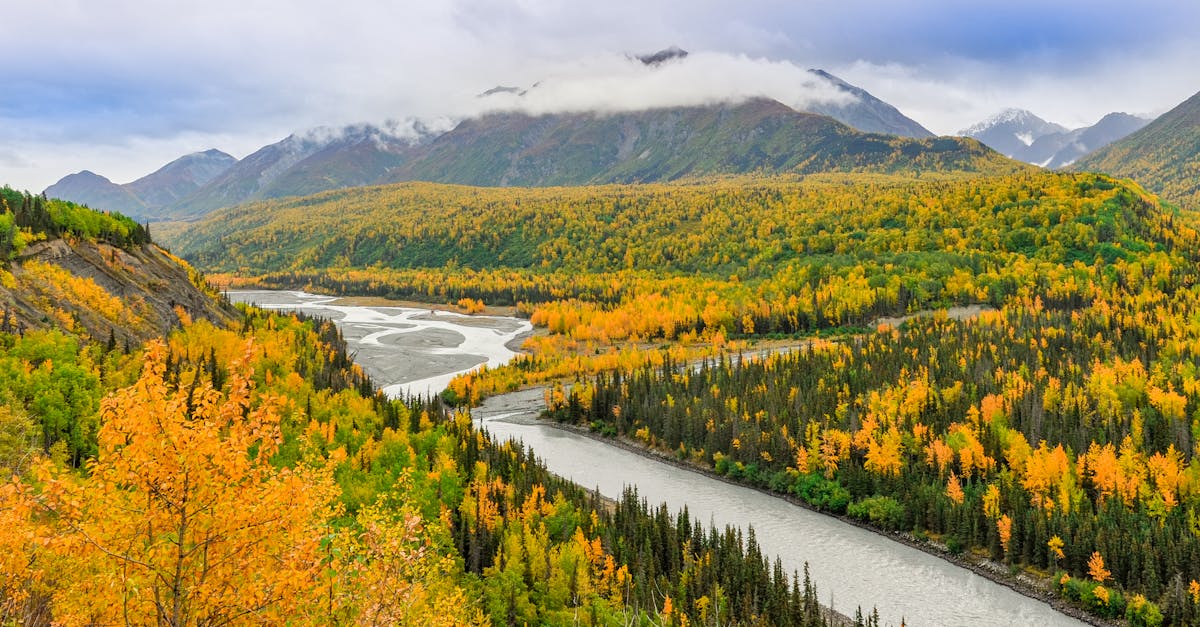
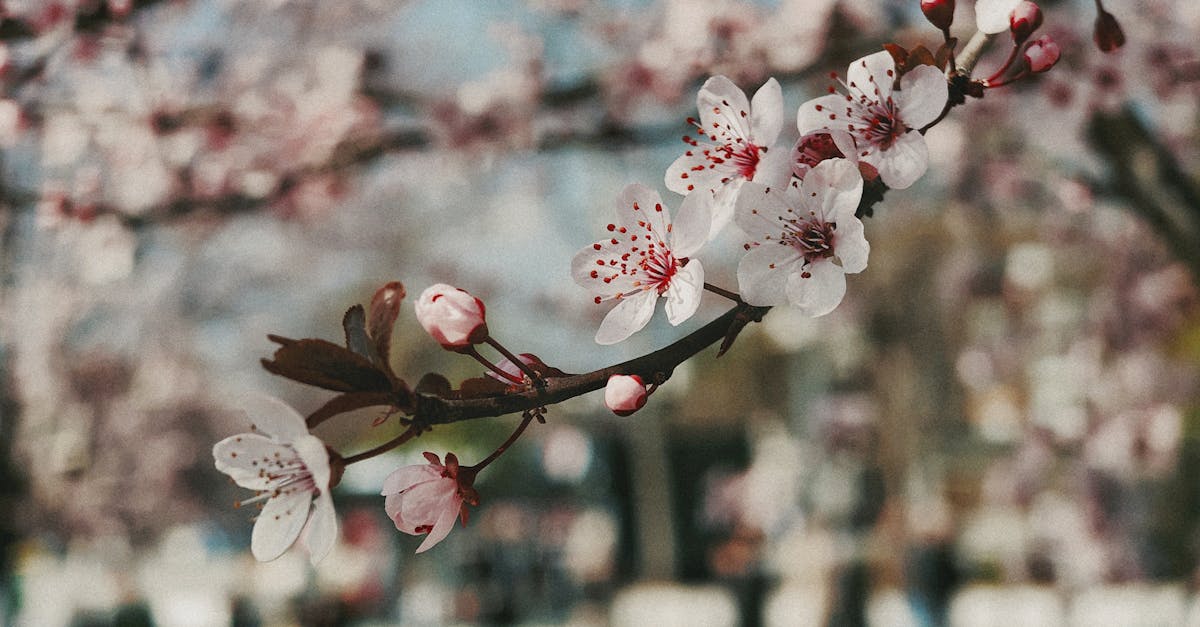
The East Coast of the United States offers a spectacular transformation as the seasons shift, making spring and autumn the premier times to explore this historic region. In late April and May, cherry blossoms paint Washington D.C.'s Tidal Basin in soft pinks and whites, while New England's hillsides burst with wildflowers and fresh greenery, signaling the perfect moment for hiking and coastal drives. As summer heat fades, the air turns crisp and the landscape ignites into a fiery canvas of reds, oranges, and golds from October through mid-November. This fall foliage season is world-renowned, particularly along Vermont's Green Mountains and New York's Adirondack Park, drawing travelers from across the globe who wish to witness nature's most vibrant display against a backdrop of charming colonial towns and cozy farm stays.
Visiting during these transitional months provides an ideal balance of comfortable weather and fewer crowds compared to the peak summer holidays, allowing for a more immersive experience of local culture and outdoor adventures. Whether you are cycling through the scenic byways of Massachusetts or strolling along the boardwalks of Cape Cod, the mild temperatures invite extended exploration without the humidity of July or the biting chill of winter. Travelers can enjoy seasonal festivals celebrating harvests and blooms, sample regional specialties like apple cider donuts and maple syrup, and capture breathtaking photography opportunities that define the quintessential American road trip. By timing your visit to coincide with these natural spectacles, you ensure a memorable journey that captures the very soul of the Eastern seaboard.
 This photo was taken by Abdullah Öğük on Pexels.
Winter Sunsets & Summer Snow: Navigating the South and West
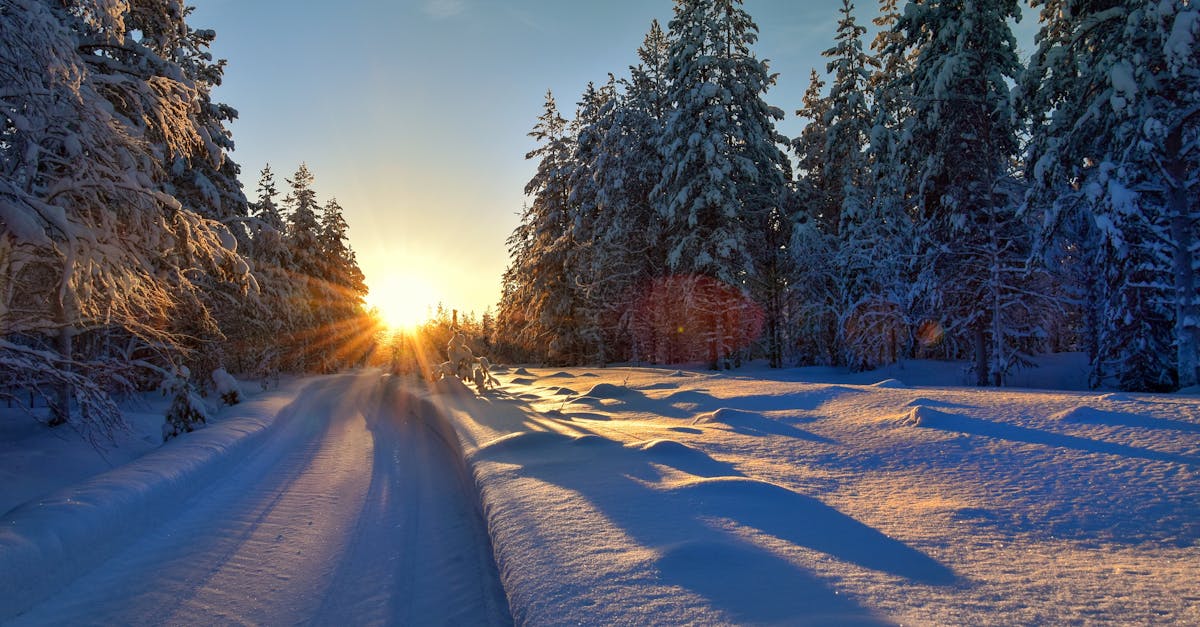
While the northern states brace for biting winds and heavy snowpack, the American South offers a golden escape where winter sunsets paint the Gulf Coast in hues of burnt orange and deep violet. From the serene beaches of Florida to the historic charm of Savannah's squares, this season transforms the region into a haven for those seeking mild temperatures and vibrant cultural festivals without the summer humidity. Travelers can enjoy outdoor dining in New Orleans or explore the vast, open skies of Texas, where the crisp air makes hiking through state parks like Big Bend particularly invigorating, proving that the southern landscape comes alive with a unique warmth when the rest of the country is dormant.
In stark contrast, the Western United States presents a mesmerizing paradox during the warmer months, where high-altitude destinations like the Rockies or the Sierra Nevada remain cloaked in lingering snow while low-lying deserts bake under intense heat. Summer here is not just about escaping the cold but embracing the dramatic interplay of seasons; skiers can still glide down slopes in Colorado or Utah even as tourists flock to Zion National Park for its fiery red cliffs and clear blue skies. This dual reality allows adventurous travelers to experience both alpine serenity and desert exploration within a single trip, navigating the diverse microclimates that define the West's rugged beauty from July through August.
 This photo was taken by Tom on Pexels.
Shoulder Season Secrets: Avoiding Crowds in National Parks
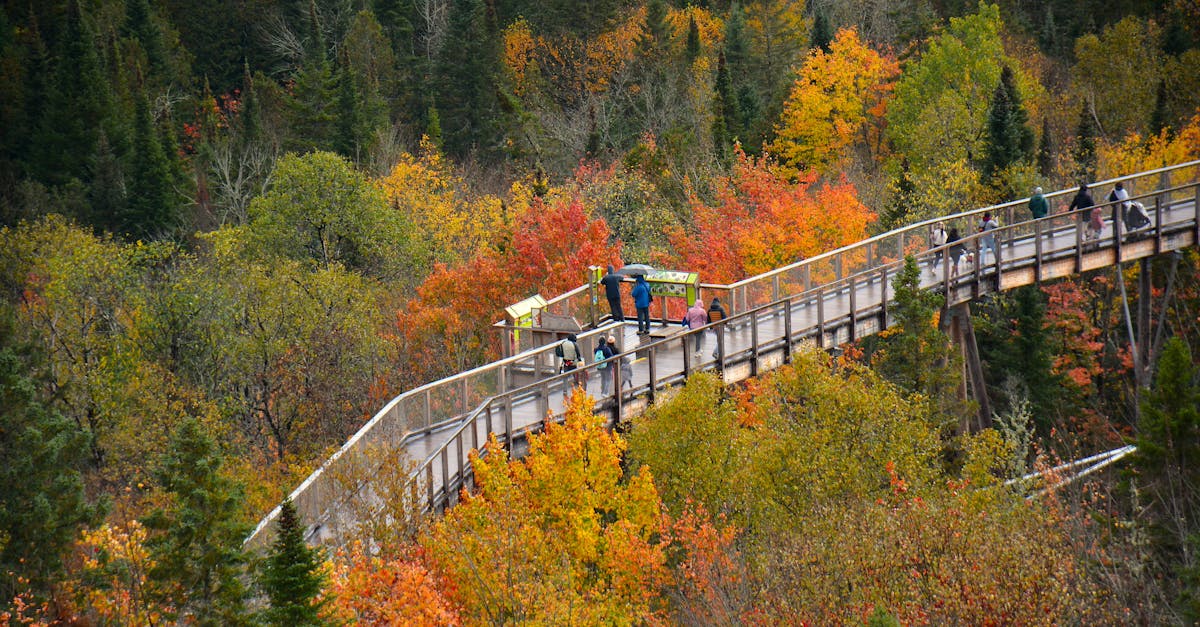
Visiting America's National Parks during the shoulder seasons—typically late spring and early autumn—offers a magical alternative to the summer rush, allowing you to experience iconic landscapes without the stifling crowds. While peak summer months see lines stretching for hours at popular trailheads like Yosemite's Valley View or Grand Canyon's Mather Point, traveling in May or October often grants you the solitude needed to truly connect with nature. During these windows, temperatures are usually mild and perfect for hiking, wildflower blooms in spring or fiery foliage in fall add stunning visual layers to your journey, and accommodation rates drop significantly, making a dream trip more budget-friendly.
To maximize your chances of avoiding the masses, strategic timing is key; aim to arrive at park entrances right at opening time or stay until after the midday tour buses have departed, as this is when day-trippers from nearby cities flood the main attractions. Many lesser-known trails within major parks remain accessible and peaceful during these transitional months, offering hidden waterfalls, quiet meadows, and breathtaking sunsets that are impossible to enjoy during the high season. By embracing the shoulder season, you not only secure a more intimate wilderness experience but also contribute to sustainable tourism by distributing visitor pressure across different times of the year, ensuring these natural treasures remain pristine for future generations.
 This photo was taken by Gupta Sahil on Pexels.