Solo Travel Safety: A Guide for Independent Adventurers
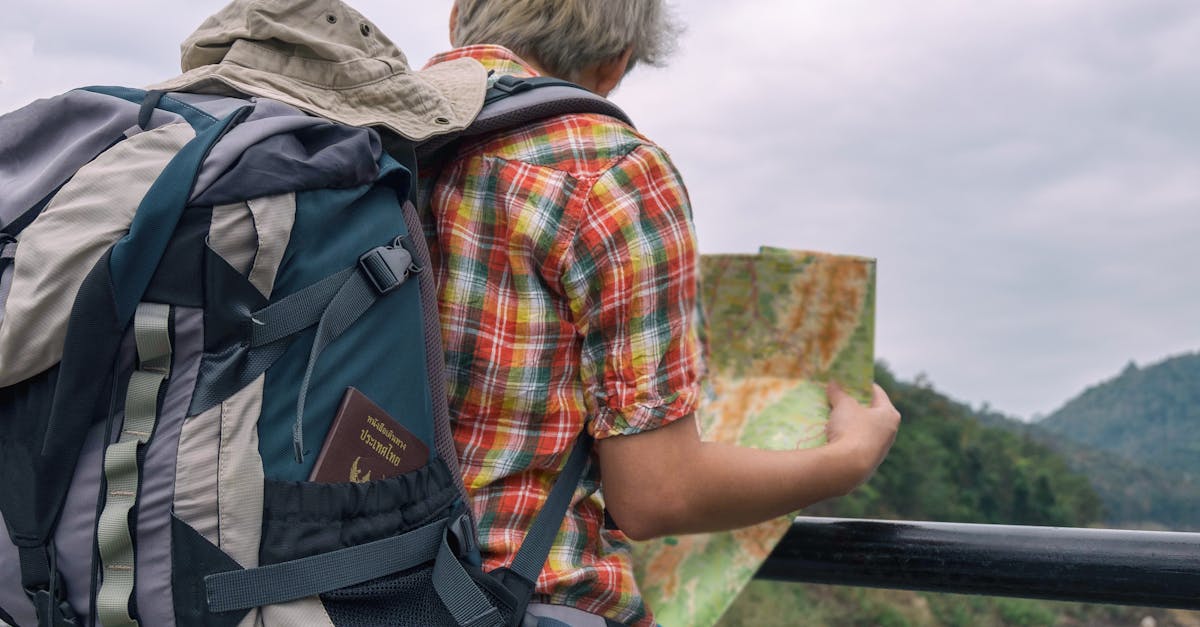 This photo was taken by veerasak Piyawatanakul on Pexels.
Welcome, fellow explorers! The United States is a vast tapestry of experiences, from the neon-lit streets of New York City to the serene canyons of Utah and the historic charm of Savannah. For many, the freedom of solo travel offers an unparalleled opportunity to discover this diverse nation on your own terms. However, venturing out alone also demands a heightened sense of awareness and preparation. This guide is designed to empower independent adventurers with the knowledge needed to navigate American roads safely and confidently. Whether you are hitting the road in a camper van or exploring a bustling metropolis, we will walk you through essential pre-trip planning strategies, ways to stay connected and secure while on the move, and tips for immersing yourself in local communities with peace of mind. Let's turn your solo journey into a story of fearless discovery.
Essential Pre-Trip Safety Planning
Before embarking on your solo adventure across the diverse landscapes of the United States, establishing a robust safety protocol is paramount for peace of mind. Begin by registering your itinerary with the U.S. Department of State's Smart Traveler Enrollment Program (STEP), which ensures you receive critical alerts and allows officials to locate you in an emergency. Share your detailed travel plans, including accommodation addresses and flight numbers, with at least two trusted contacts back home, setting up scheduled check-in times that act as a digital lifeline. Additionally, research the specific safety dynamics of your destination cities; while many American towns are welcoming, understanding local nuances regarding neighborhood boundaries, public transportation reliability, and peak tourist hours can significantly mitigate risks before you even step off the plane.Beyond digital preparations, physical preparedness involves equipping yourself with essential tools and maintaining situational awareness throughout your journey. Pack a compact first-aid kit containing personal medications, bandages, and basic remedies for common ailments, as medical facilities may vary in accessibility depending on whether you are exploring remote national parks or bustling urban centers. Invest in a portable power bank to keep your phone charged for navigation apps and emergency calls, and consider downloading offline maps of the regions you will visit to avoid connectivity issues in rural areas like the Southwest or the Pacific Northwest. Finally, trust your instincts: if a situation feels uncomfortable or unsafe, remove yourself immediately, and always prioritize well-lit, populated areas when traveling alone after dark.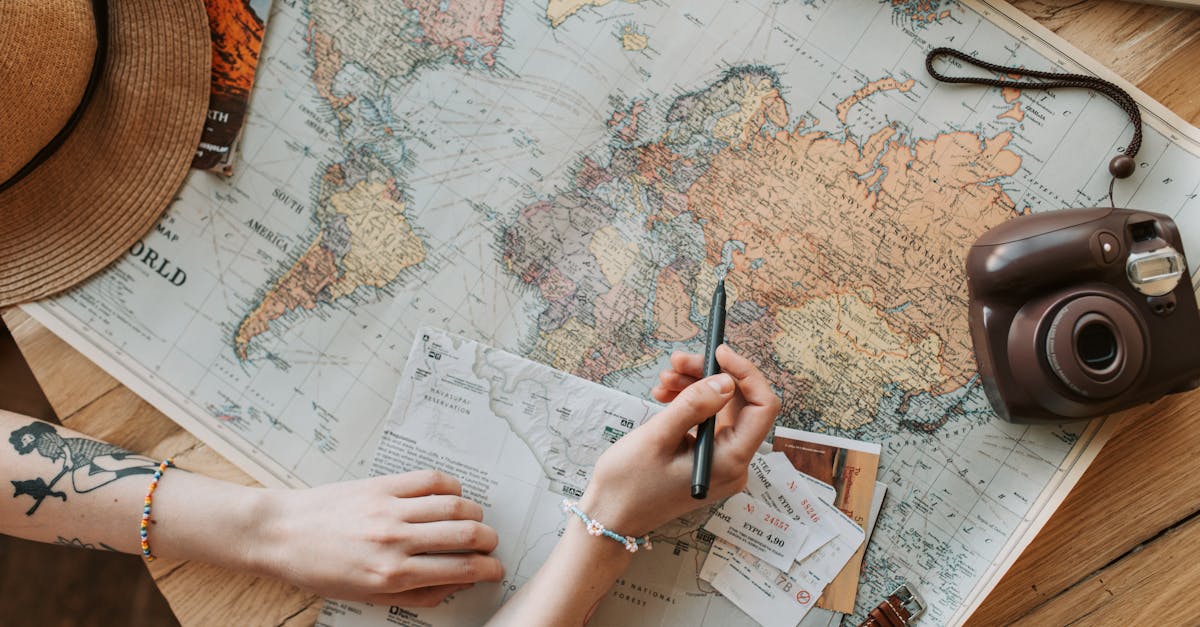 This photo was taken by Vlada Karpovich on Pexels.
Staying Connected and Secure on the Road
In the vast landscape of the United States, maintaining a reliable digital lifeline is your first line of defense when exploring solo. Before hitting the open road, ensure your smartphone has a robust data plan or download offline maps for remote regions like the deserts of Arizona or the mountain passes of Montana where cellular coverage can be spotty. Consider investing in a portable power bank and sharing your real-time location with a trusted friend or family member via apps like Life360 or WhatsApp, so someone always knows your whereabouts. Additionally, keep physical copies of important documents such as your passport, driver's license, and insurance cards in a secure hotel safe, while storing digital scans in an encrypted cloud folder for easy access if your devices are lost or stolen.
Security on the road extends beyond technology to include situational awareness and smart accommodation choices. When booking lodging, prioritize reputable hotels or well-reviewed hostels located in safe neighborhoods, often near major transit hubs or tourist centers, rather than isolated motels along dark highways. Always verify that your room has functioning locks and a peephole before settling in, and use the "Do Not Disturb" sign even when you are out to deter potential intruders from entering. Furthermore, trust your instincts; if a situation or person feels unsafe, remove yourself immediately and head toward a public space like a gas station, convenience store, or police station. By blending modern connectivity tools with cautious habits, you can enjoy the freedom of American independence with peace of mind.
 This photo was taken by Bulat Khamitov on Pexels.
Navigating Local Communities with Confidence
Embracing the diverse tapestry of American towns and cities requires a blend of situational awareness and genuine curiosity, which are your best tools for confident navigation. When exploring neighborhoods beyond the typical tourist hubs, trust your instincts but remain open to the warmth that defines many local interactions; simply asking for directions or recommendations at a neighborhood coffee shop or diner can instantly transform you from an outsider into a welcomed guest. Utilizing reputable ride-sharing apps for late-night travel and keeping digital copies of important documents on your phone ensures you have reliable backups, while staying plugged into local news via apps helps you stay informed about community events or any temporary advisories specific to your area.
Building confidence also means connecting with the rhythm of daily life in these communities by frequenting local markets, attending town hall meetings if the timing aligns, or joining organized walking tours led by residents who know the hidden gems. Engaging with locals not only enriches your travel experience with authentic stories and insider tips but also fosters a sense of safety through social presence; people are generally more willing to assist a traveler who shows respect for their culture and environment. By maintaining a low profile when necessary yet engaging warmly when appropriate, solo adventurers can navigate the United States with peace of mind, knowing that the vast majority of encounters will be as friendly and helpful as the nation's reputation suggests.
 This photo was taken by Ylanite Koppens on Pexels.