Sustainable Tourism: Eco-Friendly Ways to Explore the USA
 This photo was taken by Quang Nguyen Vinh on Pexels.
Welcome to a new chapter of American travel, where the thrill of exploration meets a deep respect for our planet. As we traverse the vast landscapes from the rugged peaks of the Rockies to the sun-drenched coasts of Florida, it is becoming increasingly clear that how we travel matters just as much as where we go. This guide is dedicated to reimagining your journey through the United States with sustainability at its heart. Whether you are looking to minimize your carbon footprint through eco-conscious transportation, seeking meaningful ways to support local economies and conservation initiatives, or craving the serenity of hidden natural sanctuaries away from the crowds, you will find inspiration here. Let us embark on a responsible adventure together, discovering the true beauty of America while ensuring its wonders endure for generations to come.
Embracing Green Travel: Eco-Conscious Transportation Across the States
Exploring the vast landscapes of the United States doesn't have to come at a high environmental cost, as eco-conscious transportation options are becoming increasingly accessible across the nation. From the electric vehicle charging networks that span from the bustling streets of San Francisco to the scenic highways of the Pacific Northwest, travelers can now drive with a lighter carbon footprint. For those seeking to avoid cars entirely, the expanding Amtrak routes offer a scenic and efficient way to traverse the country, connecting major cities like New York, Chicago, and Los Angeles while providing breathtaking views of the American countryside without the emissions associated with flying or driving long distances.
Beyond intercity travel, many popular destinations have embraced sustainable local transit systems that encourage visitors to explore on foot, by bicycle, or via public electric shuttles. Cities like Portland and Seattle have pioneered bike-share programs and pedestrian-friendly zones, making it easy for tourists to navigate urban centers responsibly. Even in national parks such as Zion and Yosemite, shuttle services reduce traffic congestion and protect fragile ecosystems, allowing nature lovers to immerse themselves in the wilderness while minimizing their impact. By choosing these green alternatives, travelers not only support local sustainability initiatives but also enjoy a more immersive and authentic connection with the diverse environments they visit.
 This photo was taken by Gustavo Novo on Pexels.
Supporting Local Communities and Conservation Efforts
One of the most rewarding aspects of traveling through the United States is the opportunity to directly support local economies and preserve cultural heritage. By choosing locally-owned lodges, dining at family-run restaurants, and purchasing artisanal goods from community markets, visitors ensure that tourism dollars circulate within the neighborhoods they explore rather than leaking into global conglomerates. This approach not only provides financial stability for residents but also fosters a deeper connection between travelers and the unique stories of the regions they visit, from the vibrant street art scenes in Los Angeles to the historic craft traditions of Appalachian villages.
Beyond economic support, sustainable tourism plays a pivotal role in protecting the nation's diverse ecosystems, which range from the towering redwoods of California to the delicate coral reefs of Florida. Many national parks and wildlife refuges rely heavily on visitor fees and conservation-focused donations to maintain trails, protect endangered species, and manage waste responsibly. When tourists participate in "leave no trace" principles, join guided eco-tours led by park rangers, or volunteer for beach cleanups and reforestation projects, they become active partners in safeguarding these natural treasures for future generations while minimizing their own environmental footprint.
 This photo was taken by RDNE Stock project on Pexels.
Off-the-Beaten-Path: Discovering America's Hidden Natural Sanctuaries
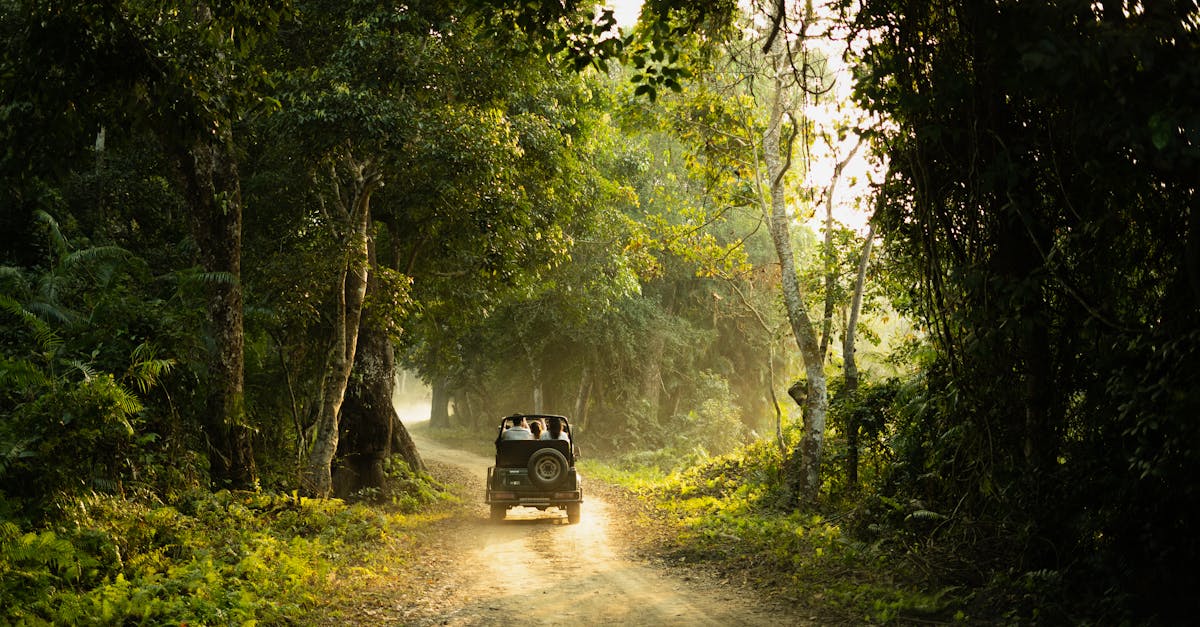 This photo was taken by Pragyan Bezbaruah on Pexels.