The American West: Rugged Landscapes and Cowboy Heritage
 This photo was taken by Erik Mclean on Pexels.
Prepare to trade the bustling city skyline for the vast, untamed horizons of the American West, a region where the earth itself seems to tell stories of adventure and resilience. From the fiery hues of Arizona's red rock canyons to the crisp air surrounding snow-capped peaks in Montana, this journey invites you to explore some of the most breathtaking national parks on the planet. But the allure of the West goes far beyond its stunning scenery; it is deeply rooted in the rugged spirit of the Old West. As we trace the dusty trails of historic ghost towns and step into living museums, you'll uncover the legends that shaped a nation. Whether you are eager to witness the thrill of a modern rodeo or seek an authentic connection with contemporary ranch life, this guide will lead you through the heart of cowboy heritage, offering a front-row seat to a culture that continues to thrive against the backdrop of America's most iconic landscapes.
From Red Rock Canyons to Snow-Capped Peaks: A Journey Through Iconic National Parks
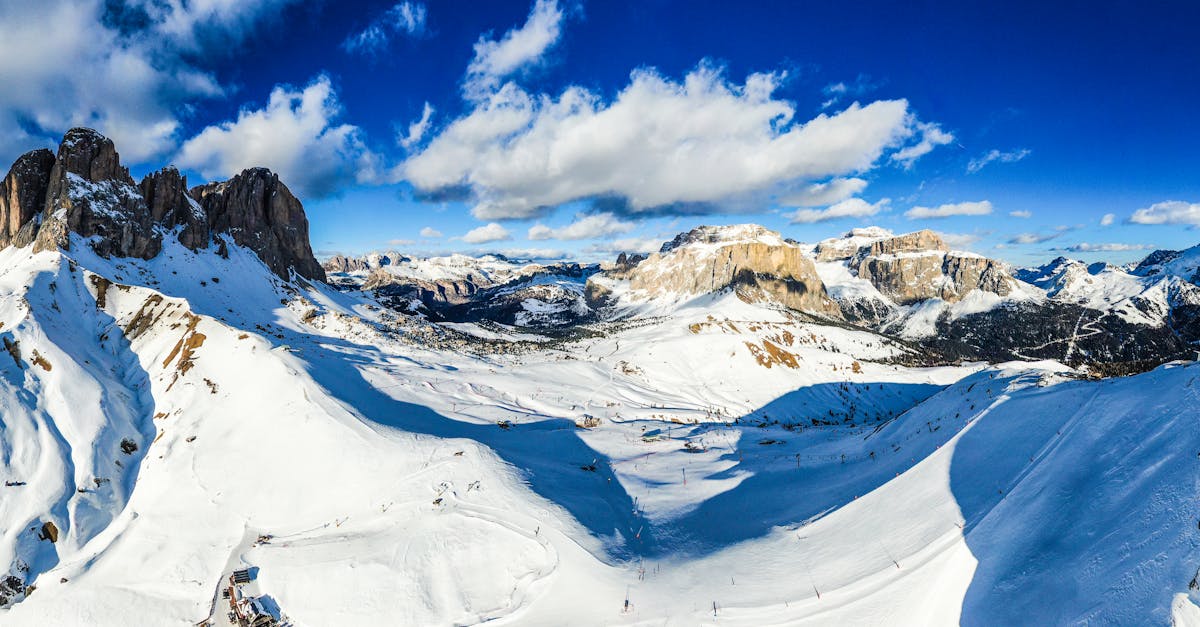
Journeying through the American West reveals a dramatic tapestry of geological wonders, beginning with the fiery hues of Arizona's Red Rock Canyons where sandstone cliffs glow under the desert sun. This arid landscape offers a stark yet beautiful contrast to the pristine wilderness found in parks like Yellowstone and Glacier, where snow-capped peaks pierce the sky and geysers steam against the cold air. From the silent canyons of Utah to the alpine meadows of Colorado, these iconic national parks serve as living museums of Earth's history, inviting travelers to hike trails that wind through ancient forests and across vast, open plains that once echoed with the hooves of wild horses.
Beyond their natural splendor, these parks are deeply intertwined with the rugged cowboy heritage that defines the region's spirit. As you explore, you'll encounter remnants of old ranches and historic trails that tell stories of pioneers who tamed this untamed land, blending human resilience with the raw power of nature. Whether you are watching a sunset paint the sky in shades of violet over the Grand Canyon or listening to the howl of a wolf in the Rockies, the experience connects you to a timeless tradition of adventure and exploration. The American West remains not just a collection of breathtaking vistas, but a testament to the enduring legacy of those who called this wild frontier home.
 This photo was taken by ArtHouse Studio on Pexels.
Tracing the Trail of the Old West: Historic Ghost Towns and Living Museums
Step back into the rugged era of cowboys and outlaws as you explore the hauntingly beautiful ghost towns scattered across the American West, where time seems to have stood still. From the skeletal remains of Bodie, California, with its preserved saloons and wooden storefronts, to the sun-bleached adobe ruins of Rhyolite, Nevada, these abandoned settlements offer a tangible connection to the Gold Rush and cattle drive days. Walking through the dust-choked streets, you can almost hear the clatter of hooves and the distant call of a sheriff's whistle, immersing yourself in stories of fortune seekers who built cities overnight only to leave them behind when resources ran dry. These silent sentinels stand as testaments to the volatile history of frontier expansion, inviting visitors to imagine life in a world defined by grit, gold, and the relentless pursuit of the horizon.
For those seeking a more interactive experience, living museums and historic ranches bring the Old West to vibrant life, transforming static history into dynamic storytelling. Places like Tombstone, Arizona, or Silverton, Colorado, host reenactments where actors dressed in period attire engage visitors in shootouts, stagecoach robberies, and lively saloon gatherings that capture the spirit of the 19th century. Beyond the staged performances, many sites offer authentic workshops on blacksmithing, leatherworking, and campfire cooking, allowing travelers to touch the tools and learn the skills used by early settlers. Whether you are watching a dramatic gunfight at high noon or riding a horse through a working cattle ranch, these immersive environments provide a unique bridge between the past and present, ensuring that the legacy of the cowboy endures for generations to come.
This photo was taken by Erik Mclean on Pexels.
Modern Ranch Life: Experiencing Authentic Cowboy Culture and Rodeos
Step off the beaten path and into the heart of the American West, where the rhythm of modern ranch life beats as strong today as it did a century ago. From the sprawling cattle ranges of Texas to the high-desert homesteads of Wyoming, visitors can immerse themselves in an authentic cowboy culture that blends deep-rooted tradition with contemporary stewardship of the land. Unlike the staged performances often found in tourist traps, genuine working ranches offer hands-on experiences where you might help round up cattle at dawn, mend fences under the vast sky, or sit by a crackling campfire listening to stories passed down through generations. This is not merely a performance; it is a living heritage where the bond between human, horse, and landscape remains the central pillar of daily existence.
No exploration of this rugged terrain would be complete without witnessing the electric energy of a local rodeo, the truest celebration of Western skills and spirit. While major events like the Cheyenne Frontier Days draw crowds from around the globe, smaller community rodeos in towns across Montana, Colorado, and Nevada offer a more intimate glimpse into the raw talent and daring of cowboys and cowgirls. Here, you will see bull riding, barrel racing, and calf roping performed with a level of grit and respect for the animals that defines the region's character. Beyond the arena, these gatherings serve as vibrant social hubs where families gather to celebrate their shared history, ensuring that the legacy of the cowboy endures not just in museums, but in the dusty, sun-drenched arenas of the present day.
 This photo was taken by Quang Nguyen Vinh on Pexels.