The Best Time of Year to Visit Each US Region
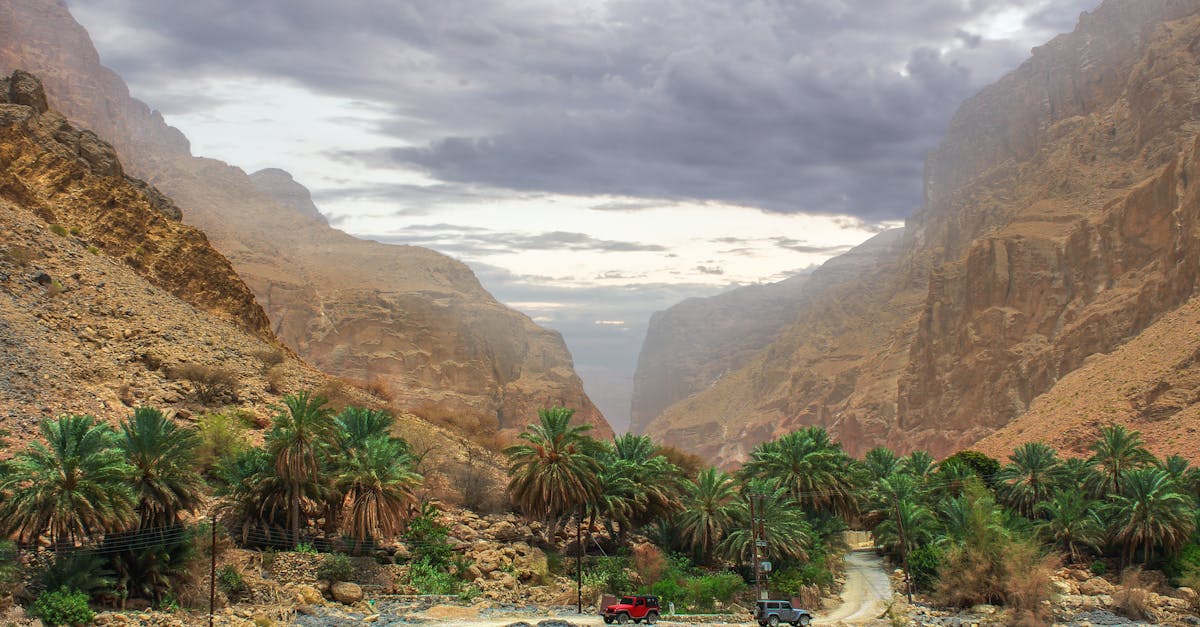 This photo was taken by Ruchit Darji on Pexels.
From the historic streets of New England to the sun-drenched beaches of Florida and the rugged peaks of the Rockies, the United States offers a unique travel experience in every season. However, timing your trip is the secret to unlocking the country's full potential; visit the Northeast in autumn for breathtaking foliage, or head west in spring when wildflowers paint the deserts gold. This guide breaks down the ideal months to explore each region, ensuring you witness the natural wonders and cultural events at their absolute peak.
Spring Blooms & Fall Foliage: The Northeast's Seasonal Splendor
When the Northeast shakes off its winter slumber, it transforms into a breathtaking canvas of vibrant life, making spring the ideal time for nature lovers to explore. From the cherry blossoms illuminating Washington D.C.'s Tidal Basin to the wildflowers carpeting the rolling hills of Vermont and New Hampshire, the season offers a delicate symphony of colors that awakens the senses. Travelers can enjoy mild temperatures perfect for hiking through Acadia National Park or strolling along the historic cobblestone streets of Boston, where the air is crisp and filled with the scent of blooming lilacs and magnolias.
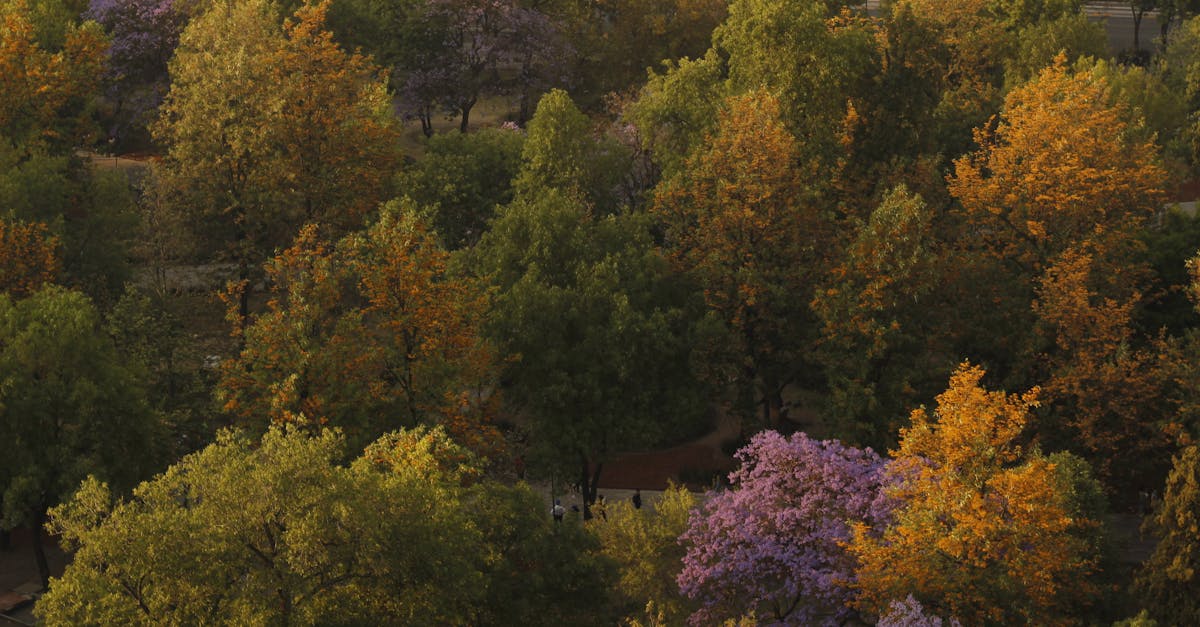
As the calendar turns to autumn, the region undergoes one of the most spectacular natural displays on Earth, earning its reputation as the premier destination for fall foliage enthusiasts. By late September and October, the dense forests of Maine, Massachusetts, and upstate New York ignite in a fiery blaze of crimson, gold, and burnt orange, creating a postcard-perfect backdrop for scenic drives and leaf-peeping tours. This season not only captivates photographers but also invites visitors to partake in harvest festivals, apple picking at local orchards, and cozy evenings by the fire, offering a warm and immersive experience that defines the quintessential American autumn.
 This photo was taken by Chai Piaget on Pexels.
Winter Sunsets & Summer Waves: Mastering the Southern Coastline
When the rest of the nation shivers under a blanket of snow, the Southern Coastline transforms into a haven of golden light and mild breezes, offering some of the most breathtaking winter sunsets in the country. From the dramatic horizons of Florida's Gulf Coast to the rugged cliffs of Georgia's Sea Islands, the low angle of the winter sun casts a warm, amber glow over the water that lasts well past dusk. This season is perfect for leisurely strolls along the beach at sunset, watching the sky ignite in hues of tangerine and violet while enjoying temperatures that hover comfortably between 60°F and 75°F, making it an ideal escape for travelers seeking warmth without the scorching humidity of summer.
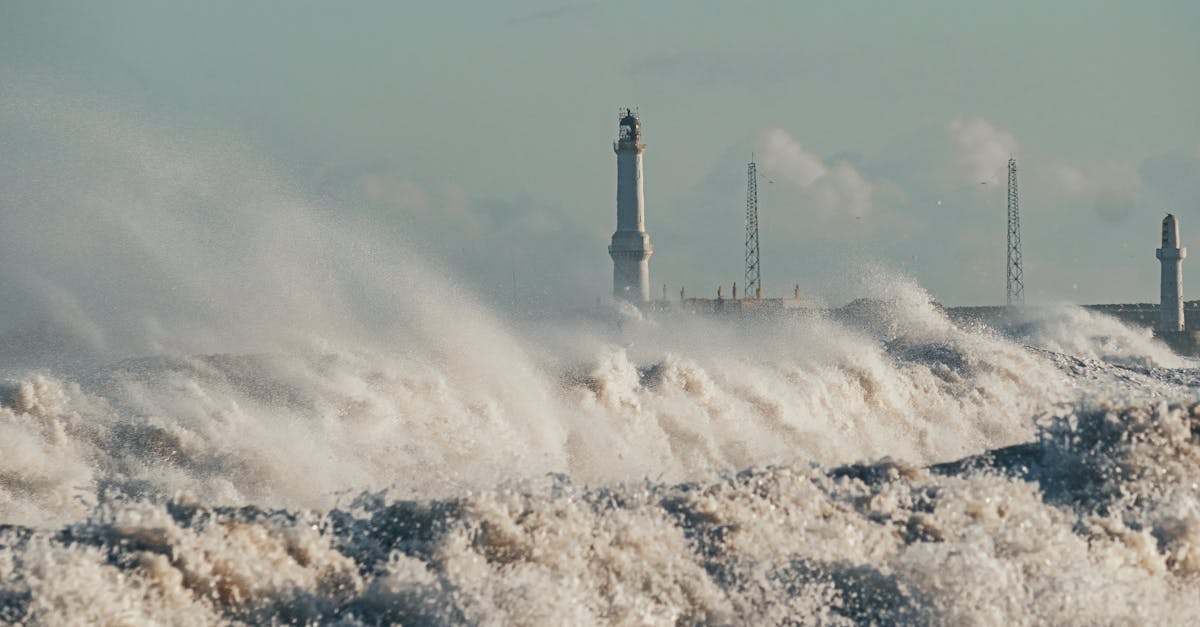
As the calendar turns to June, the atmosphere shifts from serene contemplation to vibrant energy as the Southern Coastline awakens with summer waves ready for adventure. The waters warm up invitingly, drawing surfers, swimmers, and families to iconic destinations like Miami Beach, the Outer Banks, and the Alabama Gulf Coast. During these months, the days are long and filled with sunshine, creating the quintessential American beach experience where you can spend hours riding the surf, building sandcastles, or simply lounging under colorful umbrellas. While the crowds grow larger, the lively boardwalks, fresh seafood markets, and endless coastal activities make this peak season a time of pure, unadulterated joy for anyone looking to soak up the sun and salt air.
 This photo was taken by Kieren Ridley on Pexels.
Desert Dreams & Mountain Peaks: Timing Your Western Adventure
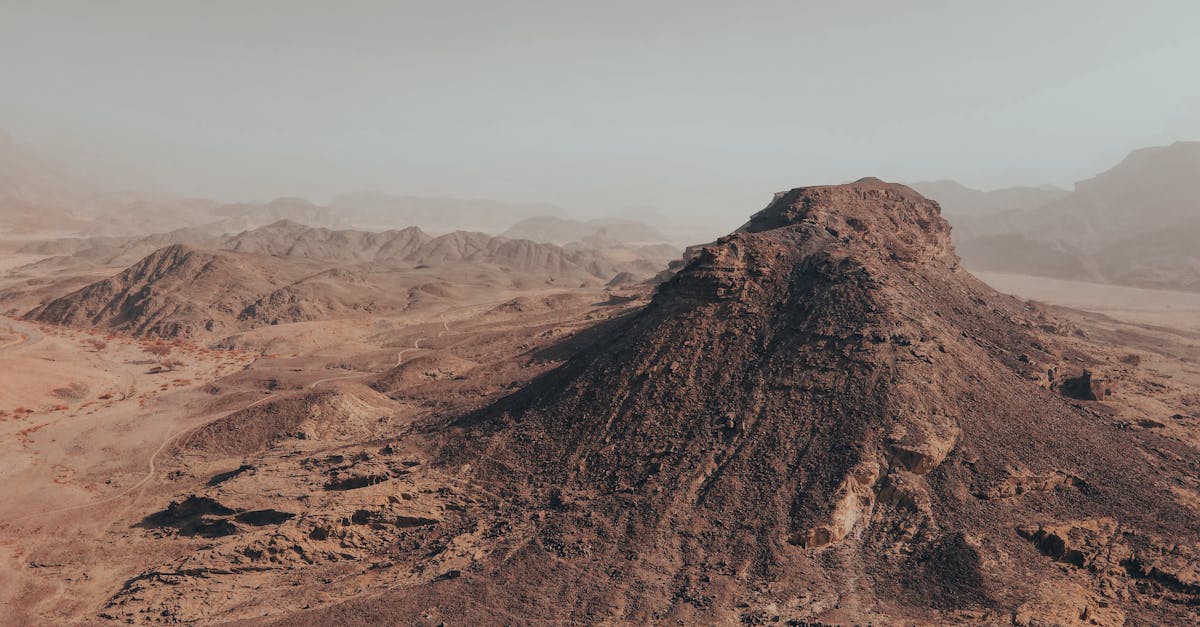
When chasing the golden hues of the Southwest's desert landscapes, timing is everything to avoid the scorching midday heat that can turn a scenic drive into an endurance test. The ideal window for exploring iconic destinations like the Grand Canyon, Sedona, or Joshua Tree falls between October and April, when daytime temperatures are mild and perfect for hiking through red rock canyons or stargazing under vast, clear skies. Conversely, visiting during the summer months often means navigating extreme temperatures exceeding 100°F (38°C), which can limit outdoor activities to early mornings or late evenings, so planning your trip in the cooler seasons ensures you can fully immerse yourself in the desert's unique beauty without the risk of heat exhaustion.
While the deserts demand cooler weather, the majestic mountain peaks of the West, from the Rockies to the Sierras, offer a completely different seasonal rhythm that dictates when you can truly access their grandeur. Summer and early autumn are the prime times to visit these high-altitude regions, as they provide accessible trails, wildflower blooms, and open campgrounds after the winter snows have melted; however, this is also peak tourist season, so booking accommodations well in advance is crucial. If you are seeking a quieter experience with dramatic snow-capped vistas, late spring or early fall offers a magical transition period where the air is crisp and the crowds thin out, though be prepared for unpredictable weather shifts that can bring sudden snowstorms even at lower elevations.
 This photo was taken by Samir Smier on Pexels.