The Great Outdoors: Camping Under the Stars in Desert Landscapes
 This photo was taken by Erik Mclean on Pexels.
There is a unique magic to sleeping beneath the vast, velvet canopy of the night sky in the American Southwest, where the silence of the desert amplifies the brilliance of countless stars. From the red rock canyons of Utah to the expansive badlands of Arizona, camping under the stars offers an unforgettable escape into nature's most dramatic landscapes. However, thriving in these arid environments requires more than just a tent and a sleeping bag; it demands preparation, respect for the terrain, and awareness of the wildlife that calls this harsh beauty home. In this guide, we will walk you through the essential gear needed for success, reveal the top national parks perfect for stargazing, and share crucial safety tips to ensure your nighttime adventures are both safe and spectacular.
Essential Gear for Desert Camping Success
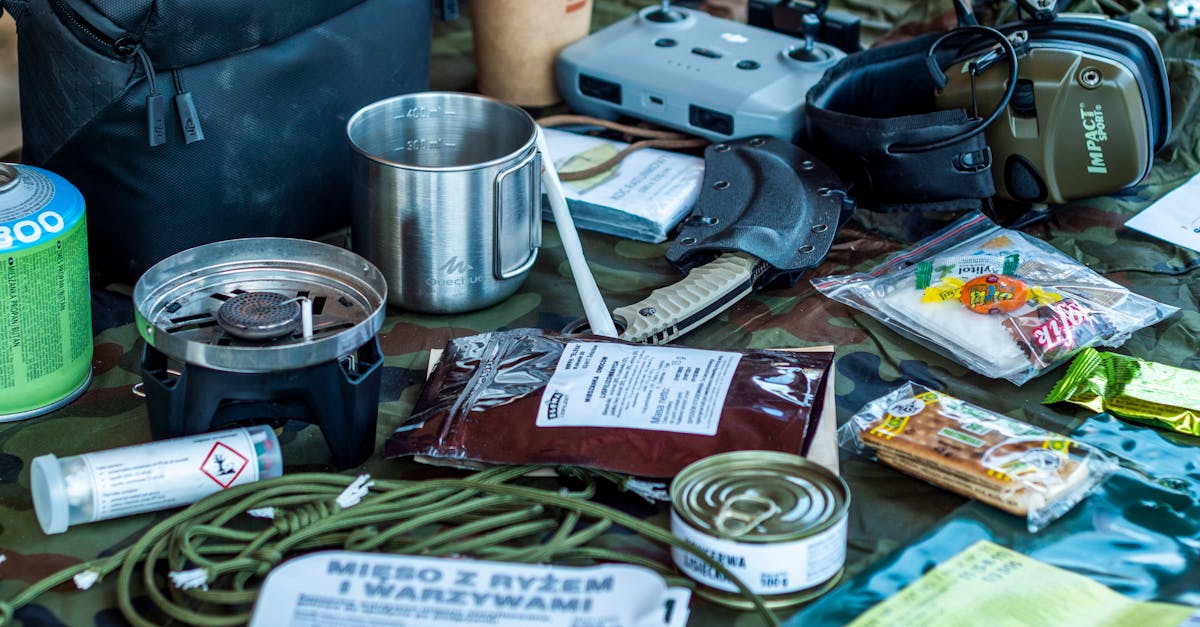
When preparing for a desert camping adventure, your gear list must prioritize protection against extreme temperature fluctuations and intense solar radiation. Start with a high-quality, four-season tent designed to withstand strong winds while providing ample ventilation to prevent overheating during the day. Equally critical is a sleeping system rated for sub-freezing temperatures, as desert nights can drop drastically even in summer; pair this with an insulated sleeping pad that offers superior R-value to block the cold seeping from the ground. Don't forget a reliable headlamp with extra batteries, as darkness falls quickly once the sun dips below the horizon, and always carry a comprehensive first-aid kit tailored for heat exhaustion, dehydration, and potential snake bites.
Hydration and navigation tools are non-negotiable assets in the arid landscapes of the American Southwest, where resources are scarce and landmarks can be deceptive. Bring at least one gallon of water per person per day, along with durable water bladders or bottles that resist cracking under direct sunlight, and consider adding electrolyte tablets to replenish salts lost through sweating. For navigation, rely on a physical topographic map and a compass rather than solely depending on GPS devices, which may lose signal or battery life in remote areas. Finally, pack lightweight, breathable clothing in neutral colors to blend with the environment, along with a wide-brimmed hat and polarized sunglasses to shield your eyes and skin from the relentless glare reflecting off the sand and rocks.
 This photo was taken by SHOX ART on Pexels.
Top National Parks for Stargazing in the Southwest
When it comes to witnessing the cosmos in its most pristine glory, the American Southwest offers an unparalleled canvas where the desert night sky seems to touch the earth. Zion National Park in Utah stands as a premier destination for stargazers, where the towering red cliffs create a natural amphitheater that blocks out light pollution from nearby towns, allowing visitors to see the Milky Way with startling clarity. Similarly, Great Basin National Park in Nevada holds the distinction of being one of the darkest places on Earth, designated as an International Dark Sky Park; here, you can camp beneath a canopy so dense with stars that constellations appear to swirl around you, creating a celestial spectacle that feels almost otherworldly against the backdrop of ancient bristlecone pines.
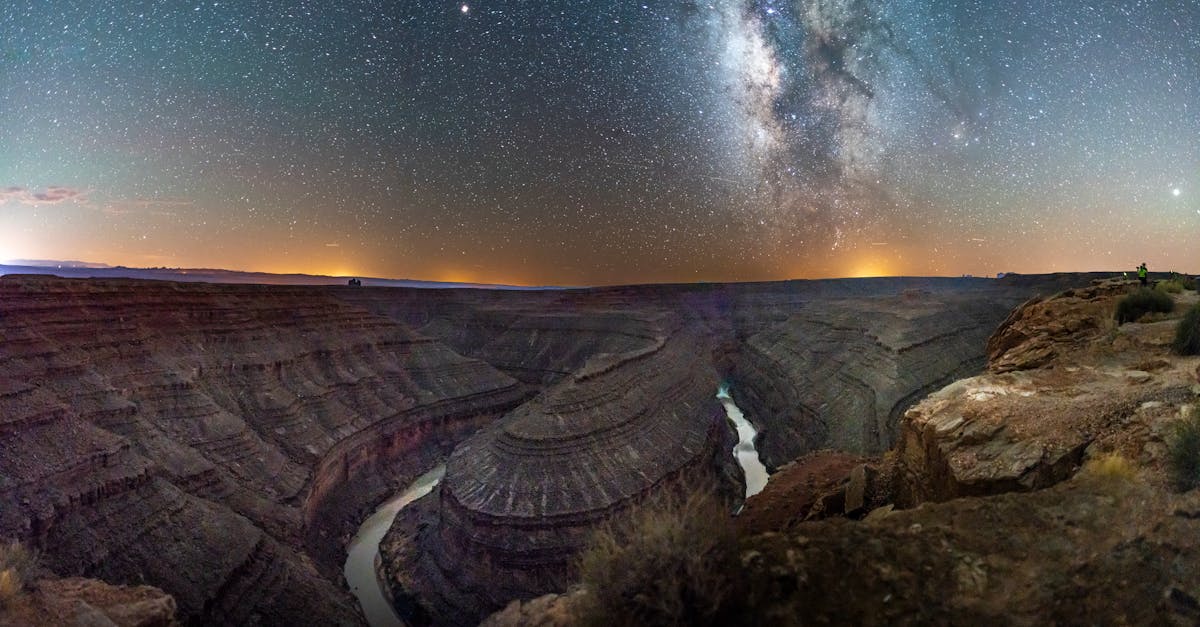
For those seeking a blend of dramatic geology and astronomical wonder, Grand Canyon National Park in Arizona provides a breathtaking stage where the vast chasm amplifies the silence of the night, making every twinkling star feel more intimate and profound. The park's remote locations, far removed from urban sprawl, offer some of the best viewing conditions in the contiguous United States, particularly during new moon phases when the galaxy stretches across the horizon like a river of diamonds. Whether you are setting up your tent near the South Rim or exploring the quieter North Rim, the crisp, dry air of the desert ensures exceptional visibility, inviting travelers to disconnect from the noise of modern life and reconnect with the timeless rhythm of the universe above these rugged landscapes.
 This photo was taken by Ken Cheung on Pexels.
Safety Tips and Nighttime Wildlife Encounters
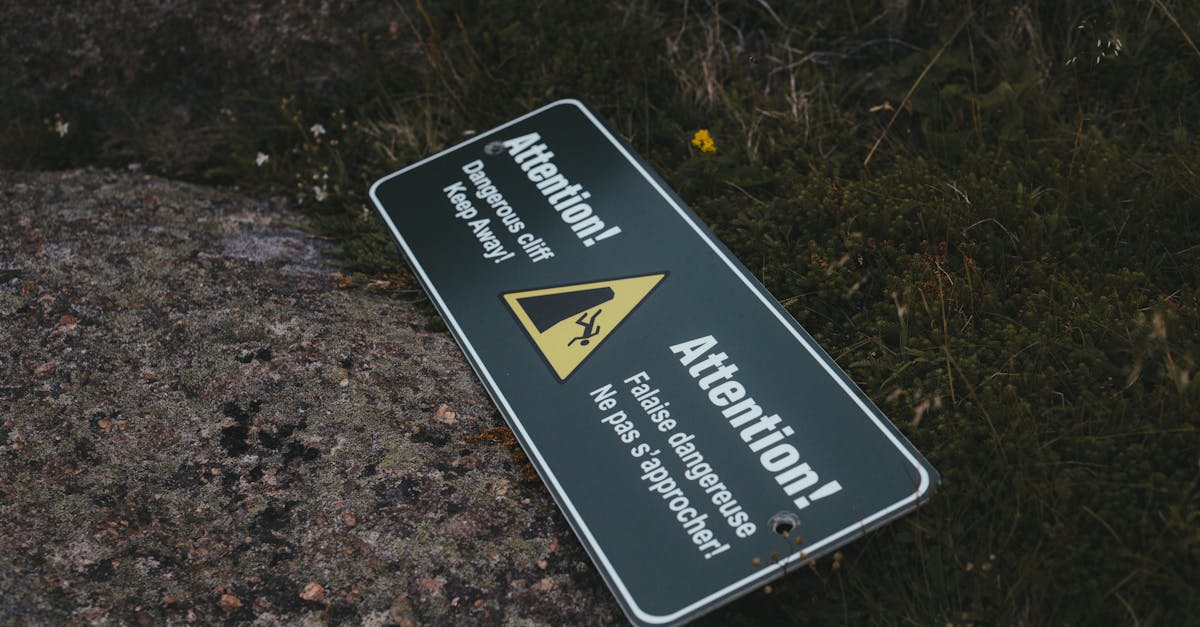
When camping in the vast desert landscapes of the American Southwest, such as those found in Arizona or Nevada, prioritizing personal safety is paramount due to the extreme isolation and harsh environmental conditions. Always inform a trusted contact of your specific itinerary and expected return time, as cell service can be nonexistent in remote areas. During daylight hours, stay hydrated and protect yourself from the sun, but as evening approaches, be vigilant about securing your campsite against wildlife like coyotes and rattlesnakes by storing all food in sealed containers away from your sleeping area. It is also crucial to wear sturdy footwear and use a flashlight when moving around at night, as the terrain is often uneven and filled with hidden hazards that are difficult to spot in the dark.
While nighttime in the desert offers a breathtaking display of stars unobscured by light pollution, it also brings unique wildlife encounters that require respect and caution. Many nocturnal animals, including kit foxes, owls, and occasionally mountain lions, become active after sunset, so maintaining a quiet demeanor and keeping a safe distance is essential for both your safety and theirs. If you do encounter a wild animal, never attempt to feed it or approach it closer than necessary; instead, make yourself known calmly by speaking in a firm voice and slowly backing away. Remember that these creatures are accustomed to their environment and are simply going about their natural routines, so observing them from afar allows you to enjoy the raw beauty of the desert ecosystem without disrupting the delicate balance of the wilderness.
 This photo was taken by Erik Mclean on Pexels.