The Great Outdoors: Camping Under the Stars in Yellowstone
 This photo was taken by Amel Uzunovic on Pexels.
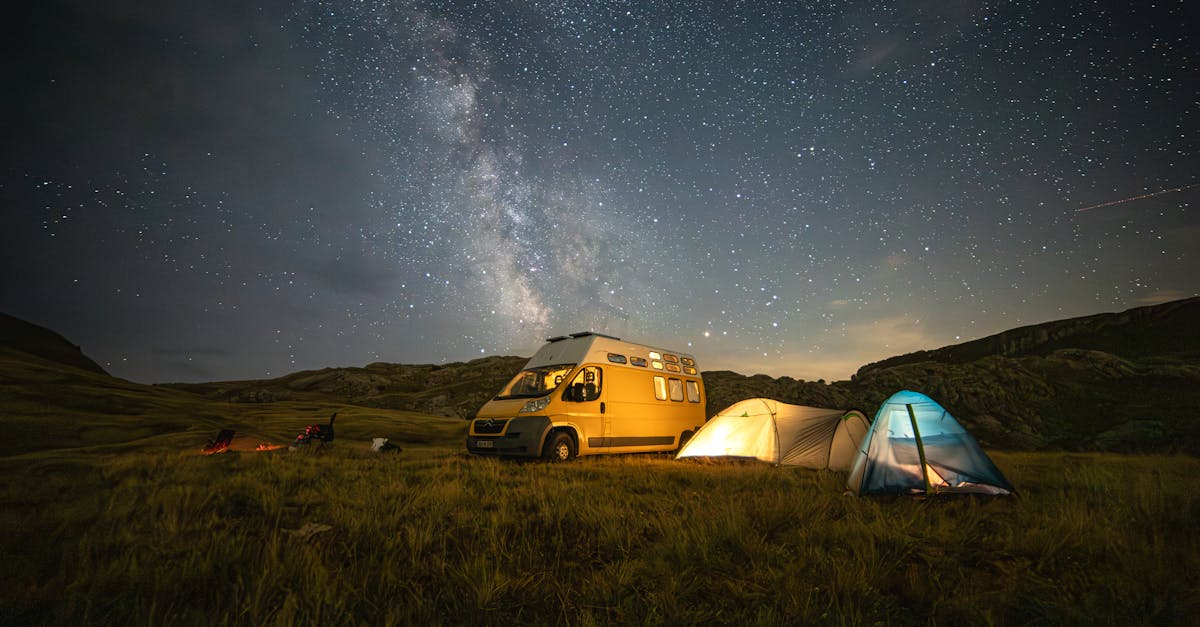
Welcome to the heart of America's first national park, where the earth itself seems to breathe beneath a canopy of endless stars. Camping in Yellowstone is not merely an overnight stay; it is an immersive journey into a wild landscape defined by roaring geysers, ancient forests, and the majestic presence of wildlife that roams free. Whether you are seeking the thrill of pitching your tent near the bubbling pools of Old Faithful or simply hoping to lose yourself in the silence of the night sky, this guide will help you navigate the park's unique challenges and rewards. From selecting the perfect campsite that balances proximity to wonders with safety from bears, to packing the essential gear needed for sudden temperature drops, we have everything you need to know. Get ready to uncover the secrets of the darkest skies in the lower 48 states and prepare for an unforgettable adventure under the Great Outdoors.
Choosing the Perfect Campsite Amidst Geysers and Wildlife
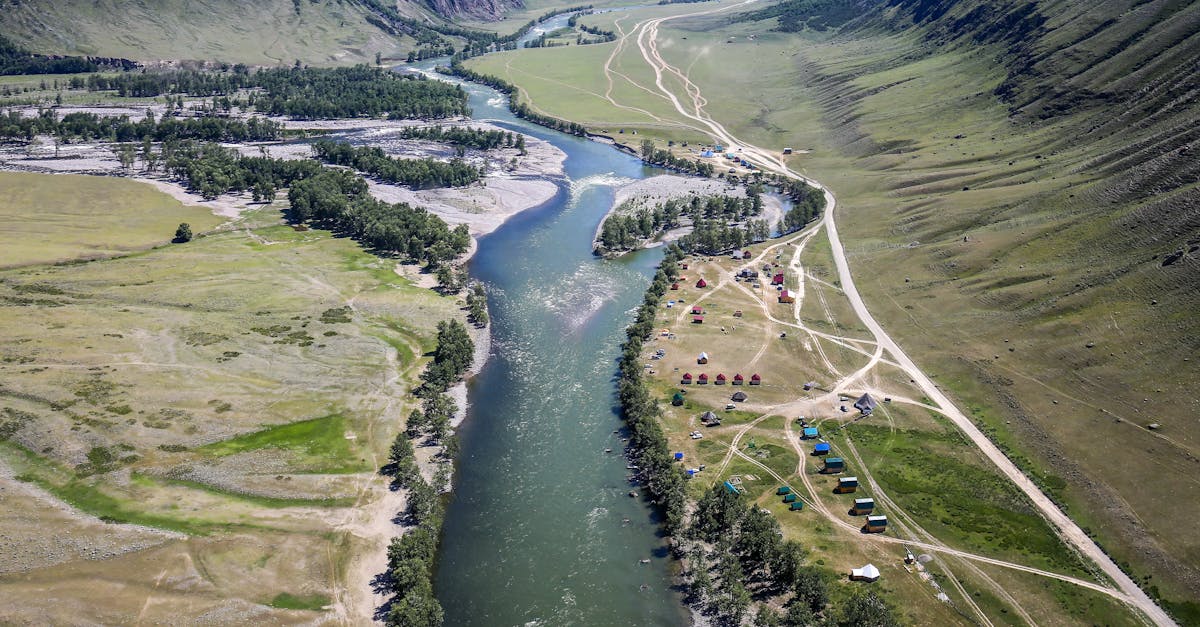
When planning your stay in the heart of Yellowstone, selecting the right campsite is an adventure in itself, requiring a delicate balance between proximity to nature's wonders and safety regulations. While the thrill of waking up to the rhythmic rumble of Old Faithful or the steam rising from Norris Geyser Basin is undeniable, it is crucial to choose designated sites like Madison, Bridge Bay, or Canyon, which offer easy access to these thermal features while maintaining strict buffers to protect both visitors and wildlife. Rangers emphasize that camping directly adjacent to active geysers or within animal corridors is prohibited not only for your safety but also to prevent disturbing the natural behaviors of bison herds, elk, and grizzly bears that roam freely across the park.
As you finalize your reservation, consider the unique microclimates and seasonal rhythms of each campground to ensure a memorable experience under the stars. Sites nestled near the Lamar Valley provide unparalleled opportunities for early morning wildlife spotting, where wolves and bears are often seen against the backdrop of a misty sunrise, whereas campsites along the shores of Yellowstone Lake offer cooler evenings and stunning reflections of the night sky. Remember that during peak summer months, these popular locations fill quickly, so booking well in advance is essential; once settled, always practice Leave No Trace principles by securing food in bear-proof lockers and keeping a respectful distance from all fauna, allowing you to immerse yourself fully in the raw beauty of America's first national park without compromising the ecosystem.
 This photo was taken by Elena Zhuravleva on Pexels.
Essential Gear for Yellowstone's Unpredictable Weather
Essential Gear for Yellowstone's Unpredictable Weather
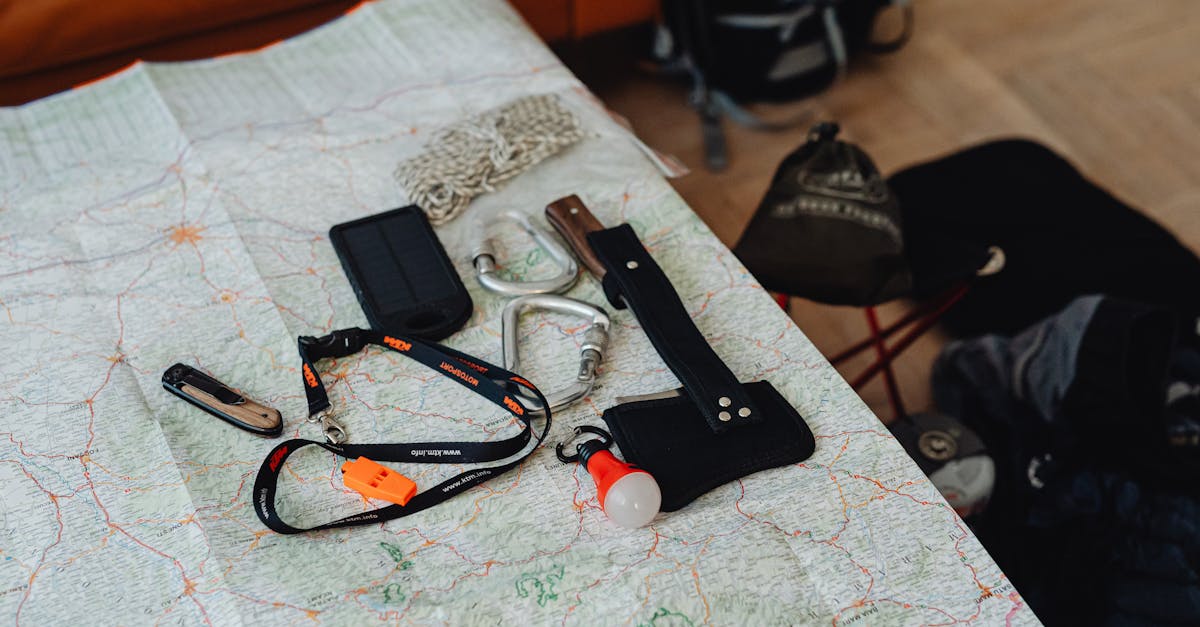
Navigating the vast landscapes of Yellowstone National Park requires a strategic approach to packing, as the weather can shift dramatically from sunny afternoons to freezing nights within minutes. A high-quality, waterproof rain jacket is non-negotiable, serving as your first line of defense against sudden mountain showers that can turn trails into slippery paths in seconds. Equally important is the layering system; pack moisture-wicking base layers to keep sweat away from your skin during warm hikes, followed by insulating fleece or down mid-layers to trap body heat when temperatures plummet after sunset. Do not overlook sturdy, broken-in hiking boots with excellent traction, as the terrain often combines wet mud, loose gravel, and icy patches that demand reliable grip to prevent accidents.
When preparing for those starry nights under the park's dark skies, your sleeping gear becomes your primary shelter against the elements. Invest in a sleeping bag rated for at least 10°F below the expected nighttime lows, as even summer nights in the high elevation of Yellowstone can drop near freezing. Pair this with a high R-value sleeping pad to insulate yourself from the cold ground, which conducts heat away from your body much faster than you might expect. Additionally, bring a compact, four-season tent with a full-coverage rainfly and robust stakes designed to withstand strong winds common in the valley floors. With these essentials, you will be well-equipped to embrace the wild beauty of the outdoors regardless of what the sky throws your way.
 This photo was taken by www.kaboompics.com on Pexels.
Stargazing Secrets: Where to Find the Darkest Skies in the Park
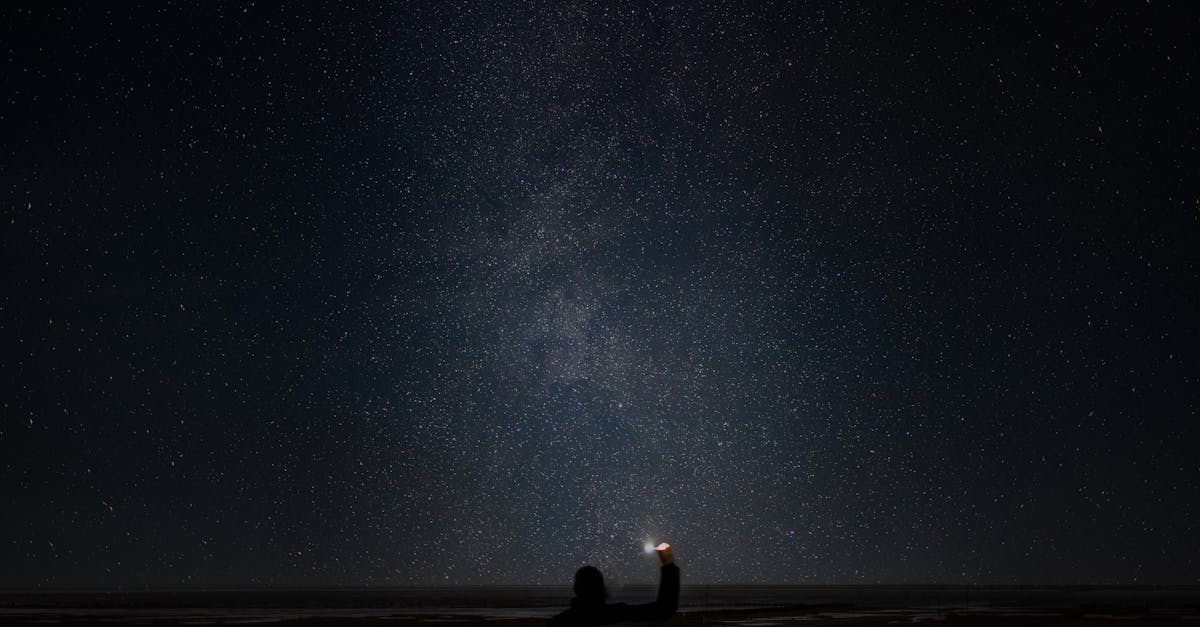
Navigate beyond the well-lit campgrounds to discover Yellowstone's hidden gems for celestial observation, where the absence of artificial light pollution transforms the night into a breathtaking canvas. The Lamar Valley, often called the "Serengeti of North America," offers vast, open horizons perfect for spotting the Milky Way's dense star clusters, while the remote shores of Lewis Lake provide a serene backdrop with minimal interference from park infrastructure. For those seeking true isolation, the backcountry permits allow access to secluded sites along the Firehole River or deep within the Absaroka Range, where the silence of the wilderness amplifies the brilliance of shooting stars and constellations that seem close enough to touch.
To fully embrace these stargazing secrets, timing your visit during a new moon phase is essential, as the lunar glare can wash out fainter stars even in the darkest locations. Bring a red-light flashlight to preserve your night vision and dress in layers, as temperatures in the high elevation plateau can drop precipitously after sunset. Whether you are an amateur astronomer hoping to identify Jupiter's moons or simply a traveler seeking a moment of awe under the infinite expanse, these pristine dark sky zones offer an unforgettable connection to the cosmos that defines the magic of camping in America's first national park.
 This photo was taken by Nicklas Toft on Pexels.