The Great Outdoors: Camping and Stargazing Under the Stars
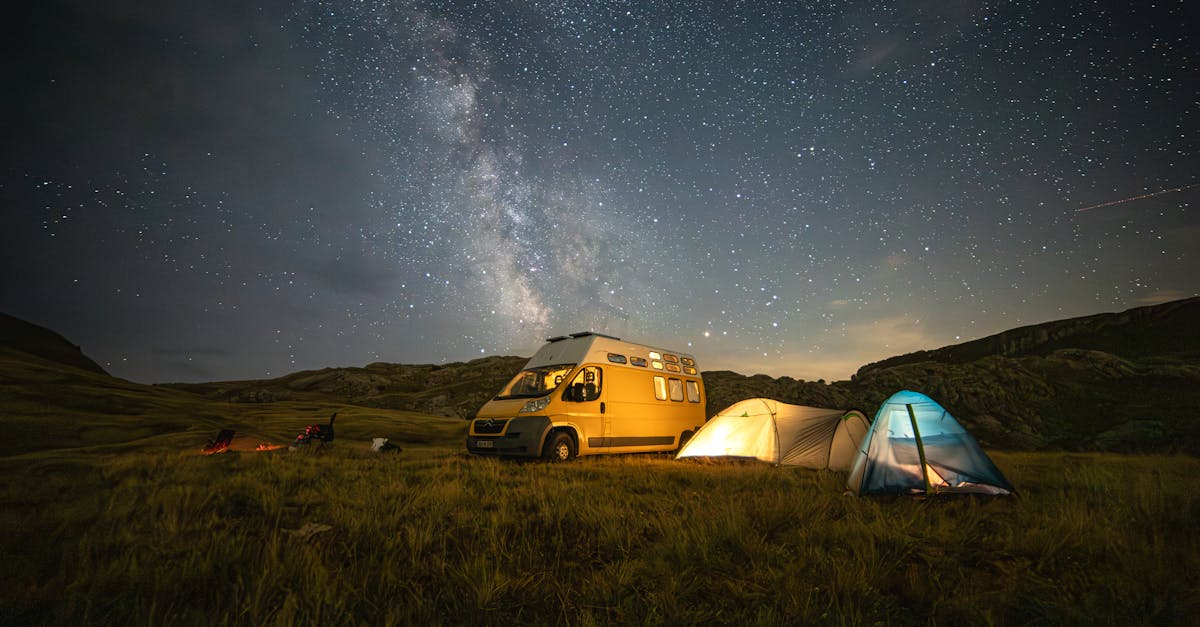 This photo was taken by Amel Uzunovic on Pexels.
There is a profound magic that unfolds when the sun dips below the horizon across the vast American landscape, transforming our national parks and remote wilderness areas into a celestial wonderland. From the rugged peaks of the Rockies to the serene deserts of Arizona, the United States offers some of the darkest skies on the planet, perfect for disconnecting from the digital world and reconnecting with the cosmos. Whether you are a seasoned camper or a first-time adventurer, this guide will walk you through everything you need to know to plan your perfect night under the stars. We will help you choose the ideal campsite free from light pollution, ensure you have the right gear and safety measures in place for a secure nighttime adventure, and even show you how to capture breathtaking images of the Milky Way without needing professional equipment. Get ready to pack your bags and gaze upward at the endless tapestry of the universe.
Choosing the Perfect Campsite for Stargazing
When selecting the perfect campsite for stargazing across the United States, the primary factor to consider is light pollution, which can significantly diminish the visibility of celestial wonders. Seek out designated dark sky parks or remote wilderness areas where artificial lights are minimal; destinations like Great Basin National Park in Nevada or Cherry Springs State Park in Pennsylvania offer some of the darkest skies in the country, providing a breathtaking backdrop for viewing the Milky Way. Additionally, consult local weather forecasts and moon phase calendars to ensure your trip coincides with clear nights and a new moon, as cloud cover and lunar brightness can obscure even the brightest stars.
Once you have identified a region with low light pollution, pay close attention to the specific topography and microclimate of your chosen spot. A campsite situated in an open valley or on a high plateau often offers unobstructed horizons, whereas dense tree lines or steep canyon walls may block portions of the night sky. It is also wise to choose a location with good drainage and stable ground to prevent discomfort from dampness or shifting soil during the night, ensuring that your focus remains entirely on the cosmic display above rather than your surroundings. By combining strategic location scouting with careful timing, you can transform a simple camping trip into an unforgettable astronomical experience under the vast American sky.
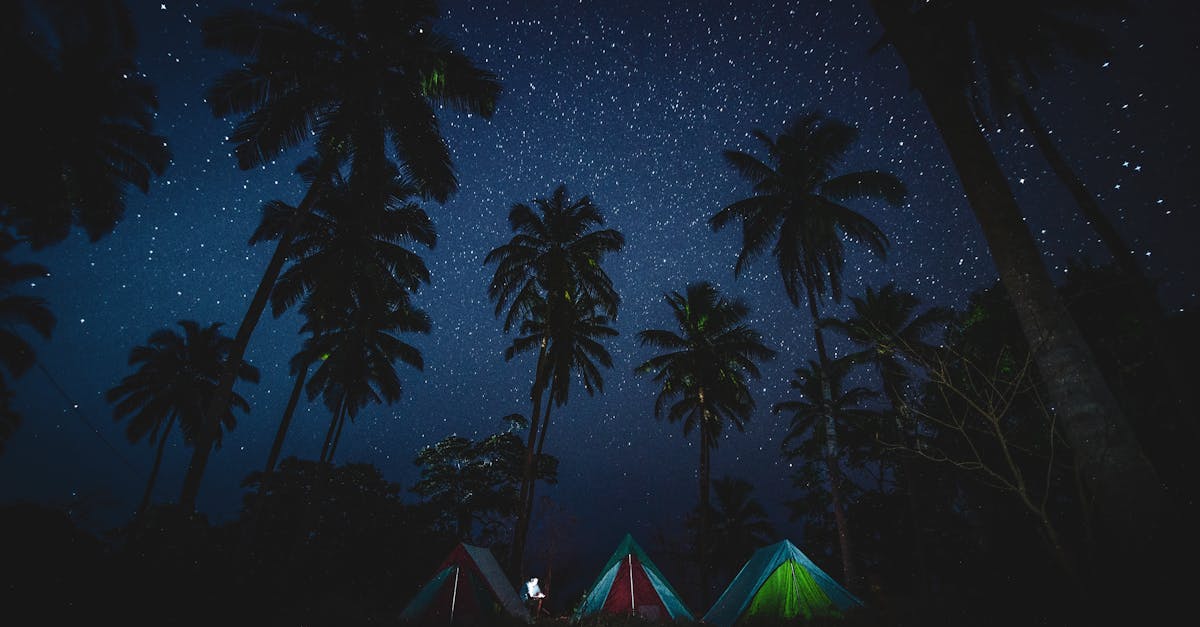 This photo was taken by SACHU SURENDRAN on Pexels.
Essential Gear and Safety Tips for Nighttime Adventures
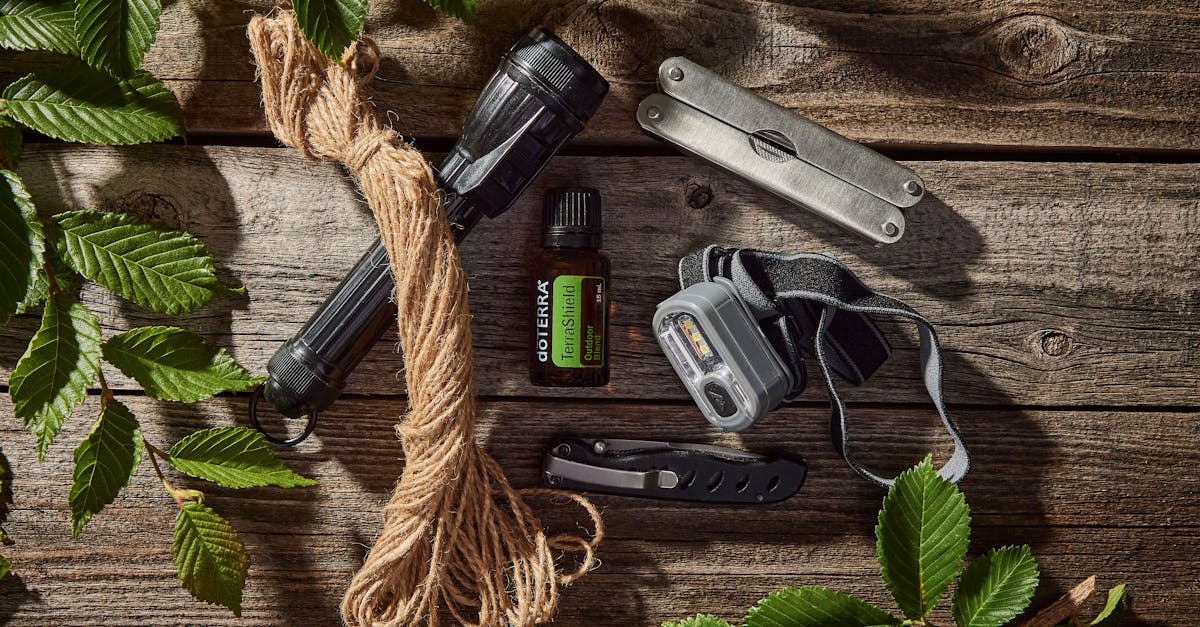
Preparing for a nighttime adventure under the American wilderness requires more than just a sleeping bag; you need reliable gear to ensure your comfort and safety after dark. A high-quality headlamp with red-light mode is essential, as it preserves your night vision while illuminating your campsite without disturbing wildlife or fellow campers. Don't forget to pack extra batteries, a compact first-aid kit, and a warm, layered clothing system, as temperatures in places like Yellowstone or the Grand Canyon can plummet rapidly once the sun sets. Additionally, carrying a portable power bank is crucial for charging GPS devices or emergency radios, ensuring you stay connected even in remote areas where cell service is nonexistent.
Safety during your stargazing excursion begins with awareness of your surroundings and respect for local regulations. Always inform someone outside your group of your itinerary and expected return time, and stick to marked trails to avoid getting lost in the dark. Be mindful of wildlife encounters by storing all food in bear-proof containers or hanging it properly from a tree branch, a practice particularly important in national parks across the Rockies and Appalachians. Finally, check the weather forecast beforehand and have a clear plan for seeking shelter if conditions deteriorate, allowing you to focus entirely on the breathtaking canopy of stars above without unnecessary worry.
 This photo was taken by doTERRA International, LLC on Pexels.
Capturing the Milky Way: A Beginner's Photography Guide
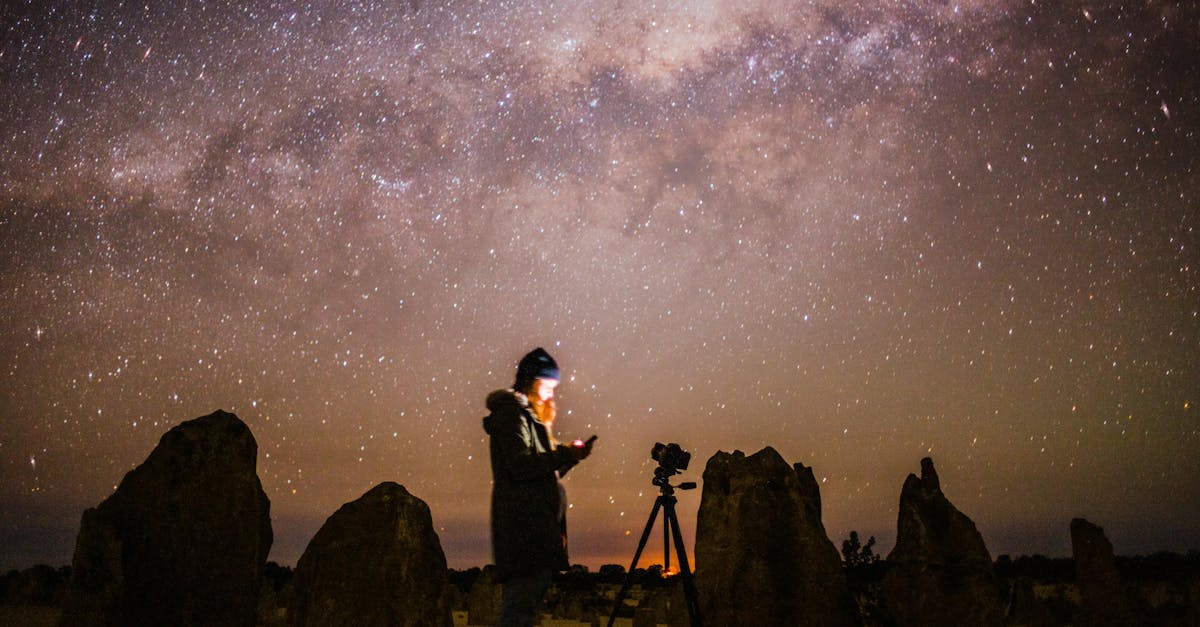
While the United States boasts some of the darkest skies in the country, capturing the Milky Way requires more than just a camera and a clear night; it demands patience and preparation. Start by scouting locations far from city lights, such as the remote stretches of Death Valley in California or the expansive dark sky parks in New Mexico, where light pollution is minimal. Remember to check your moon phase, aiming for new moon nights when the galactic core rises above the horizon unobscured by lunar glare, typically between March and October in the Northern Hemisphere.
To get that stunning shot, switch your camera to manual mode with a wide-angle lens set to its widest aperture, usually f/2.8 or lower, and set your ISO between 1600 and 3200 to capture enough light without introducing too much noise. Keep your shutter speed under 20 seconds using the "500 rule" (dividing 500 by your focal length) to prevent star trails, and always mount your camera on a sturdy tripod with a remote shutter release to eliminate any vibration. With these settings and a bit of luck, you will be rewarded with breathtaking images of our galaxy's luminous band stretching across the American wilderness.
 This photo was taken by Rachel Claire on Pexels.