Wildlife Encounters: Where to See Bears, Eagles, and Whales in the Wild
 This photo was taken by Caique Araujo on Pexels.
Welcome to the heart of America's untamed wilderness, where the rhythm of nature still dictates life in its most raw and magnificent form. From the mist-shrouded fjords of the Last Frontier to the rolling peaks of the East Coast, the United States offers unparalleled opportunities for wildlife enthusiasts to witness iconic species in their natural habitats. Whether you are standing on the edge of a glacial riverbank hoping to catch a glimpse of a grizzly bear fishing for salmon, scanning the horizon from a rugged coastline for breaching humpbacks, or hiking through ancient forests to observe black bears from a safe distance, this journey promises memories that will last a lifetime. Join us as we explore the best destinations across the country for these unforgettable wildlife encounters.
Alaska's Wild Frontier: Spotting Bears and Eagles in Their Natural Habitat
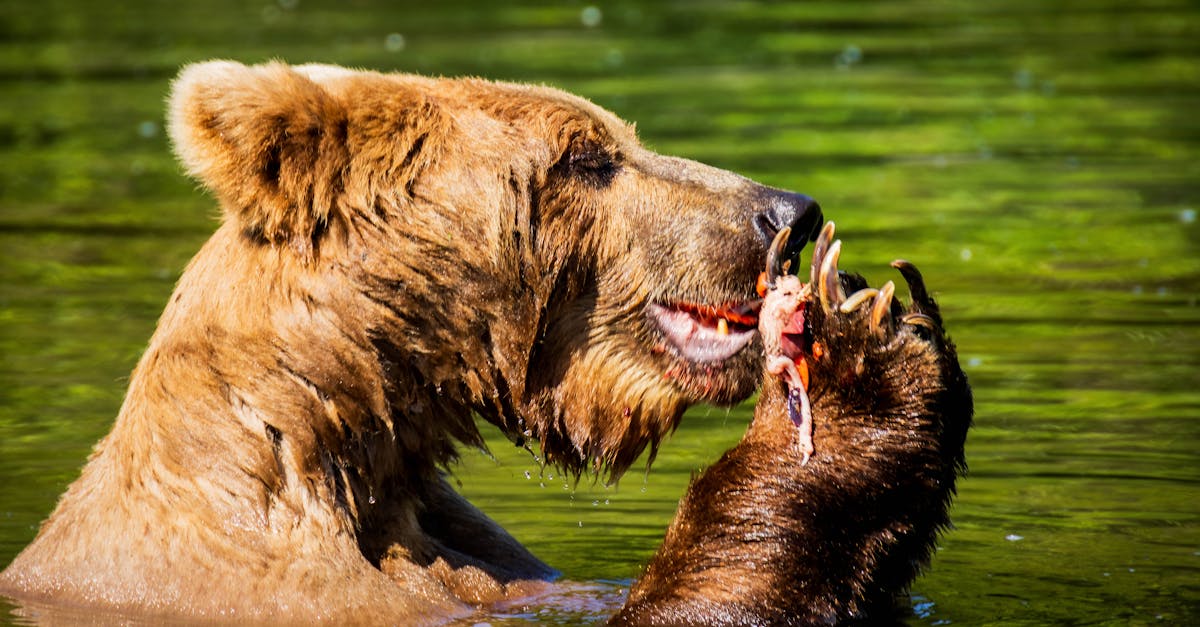
Alaska's untamed wilderness offers an unparalleled opportunity to witness nature's most majestic predators in their element, particularly the iconic brown bears and bald eagles. In the coastal rainforests of Katmai National Park or along the winding rivers of Lake Clark, visitors can observe grizzlies as they expertly fish for salmon during the summer months, their powerful movements a testament to the raw energy of the frontier. Above them, the skies are often dominated by the majestic bald eagle, the national symbol of the United States, which nests in towering spruce trees near waterways where it scans for its next meal. These encounters are not merely about sightseeing; they are immersive experiences that connect travelers directly with the pulse of one of the last true wild places on Earth.
To truly appreciate these wildlife spectacles, timing and location are everything, as certain regions transform into bustling hubs of activity during specific seasons. The Kenai Fjords and Prince William Sound provide ideal vantage points for spotting these creatures from the safety of a guided boat tour, where the gentle crash of waves contrasts with the sudden dive of an eagle or the roar of a bear emerging from the surf. Whether you are hiking through the dense undergrowth of Denali or cruising the icy waters of Glacier Bay, the presence of these animals serves as a humbling reminder of the delicate balance within this vast ecosystem. By adhering to strict viewing guidelines and respecting the natural habitat, tourists can ensure that Alaska's wild frontier remains a pristine sanctuary for generations to come while offering unforgettable memories of life in its purest form.
 This photo was taken by Lamont Mead on Pexels.
Pacific Coast Treasures: Whale Watching from California to Washington
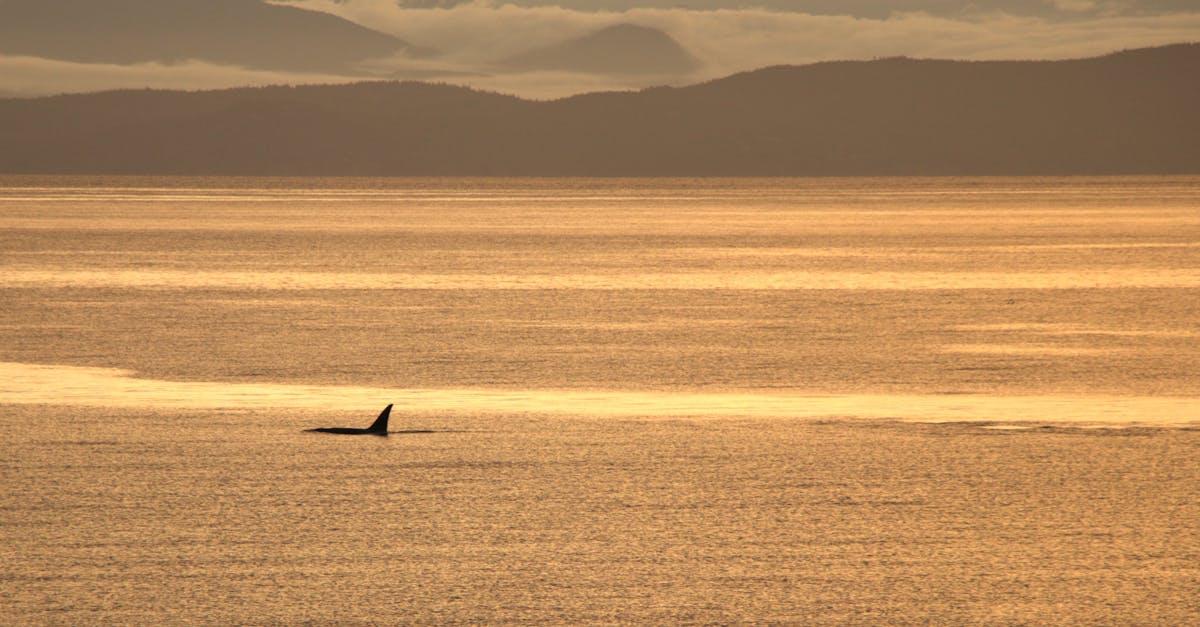
From the rugged cliffs of Big Sur to the misty shores of Olympic National Park, the Pacific Coast offers one of the world's most spectacular stages for marine life observation. As you journey north along Highway 1 and beyond, keep a keen eye on the horizon during migration seasons, particularly from late December through April when gray whales travel between their breeding grounds in Baja California and feeding areas in Alaska. These gentle giants can often be seen breaching or slapping their tails against the water near iconic stops like Monterey Bay, where the nutrient-rich waters attract not only whales but also playful sea otters and massive pods of dolphins. For those venturing further north into Washington state, the Strait of Juan de Fuca becomes a prime viewing area for humpback whales and the elusive orcas that call these deep channels home.
To truly maximize your wildlife encounter, consider booking a guided eco-tour with local operators who prioritize responsible viewing practices and possess deep knowledge of animal behavior. Whether you depart from the historic harbor of Santa Barbara, the bustling docks of Seattle, or the quiet coves of Astoria, experienced naturalists will help you interpret what you see, explaining the complex social structures of whale pods and the significance of their migratory routes. Beyond the whales, this coastal corridor is teeming with other treasures; early morning excursions might reveal bald eagles soaring above kelp forests or sea lions basking on rocky outcrops, creating an unforgettable tapestry of life that defines the wild spirit of the American West Coast.
 This photo was taken by marnock on Pexels.
Great Smoky Mountains: A Guide to Observing Black Bears Safely
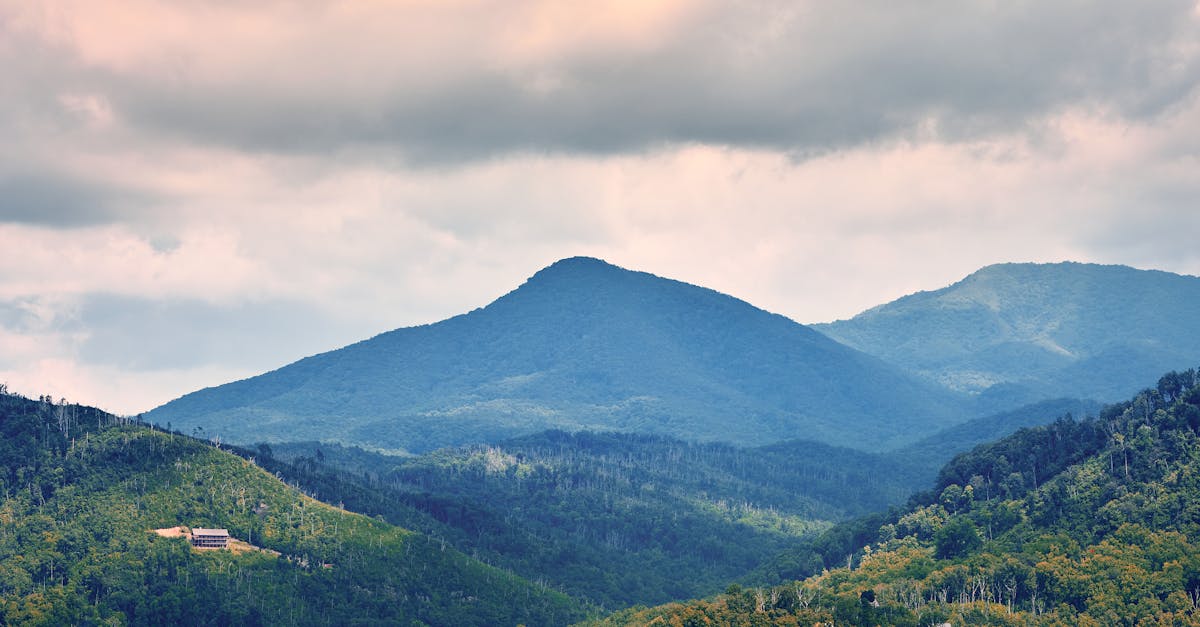
Nestled within the ancient, mist-shrouded peaks of the Great Smoky Mountains National Park, black bears are a cherished sight for visitors eager to witness America's most iconic wildlife. To observe these magnificent creatures safely, it is essential to maintain a respectful distance of at least 50 yards and never attempt to feed them, as human food can alter their natural behavior and make them dangerous. The best times to spot them are often during the early morning or late evening when they are most active foraging for berries, nuts, and insects, particularly along the park's scenic trails like Alum Cave Bluffs or near the Clingmans Dome overlook.
Safety in bear country also requires vigilance and preparedness; always carry bear spray, make noise while hiking to avoid surprising an animal, and store all food and scented items in designated bear-proof lockers at campsites. If you do encounter a bear, remain calm, speak in a low, firm voice, and slowly back away without turning your back or running, which could trigger a chase response. By respecting their space and following these guidelines, tourists can enjoy a thrilling yet secure experience that ensures the long-term survival of the park's beloved black bear population.
 This photo was taken by Brayden Gale on Pexels.