Wildlife Watching: Spotting Eagles, Bears, and Whales
 This photo was taken by Peter Platou on Pexels.
Welcome to the heart of America's wild frontiers, where the rhythm of nature unfolds in breathtaking spectacles that define our great nation. From the soaring skies of the Pacific Northwest to the rugged mountains of the Rockies and the vast, heaving oceans on both coasts, the United States offers unparalleled opportunities for wildlife enthusiasts. Whether you are chasing the iconic silhouette of our national bird, tracking elusive bears through ancient forests, or witnessing the gentle giants of the sea breach against a coastal horizon, this journey promises memories that will last a lifetime. Join us as we explore the most spectacular locations across the country to spot eagles, bears, and whales in their natural habitats.
The Majestic Bald Eagle: Where to Find America's National Bird
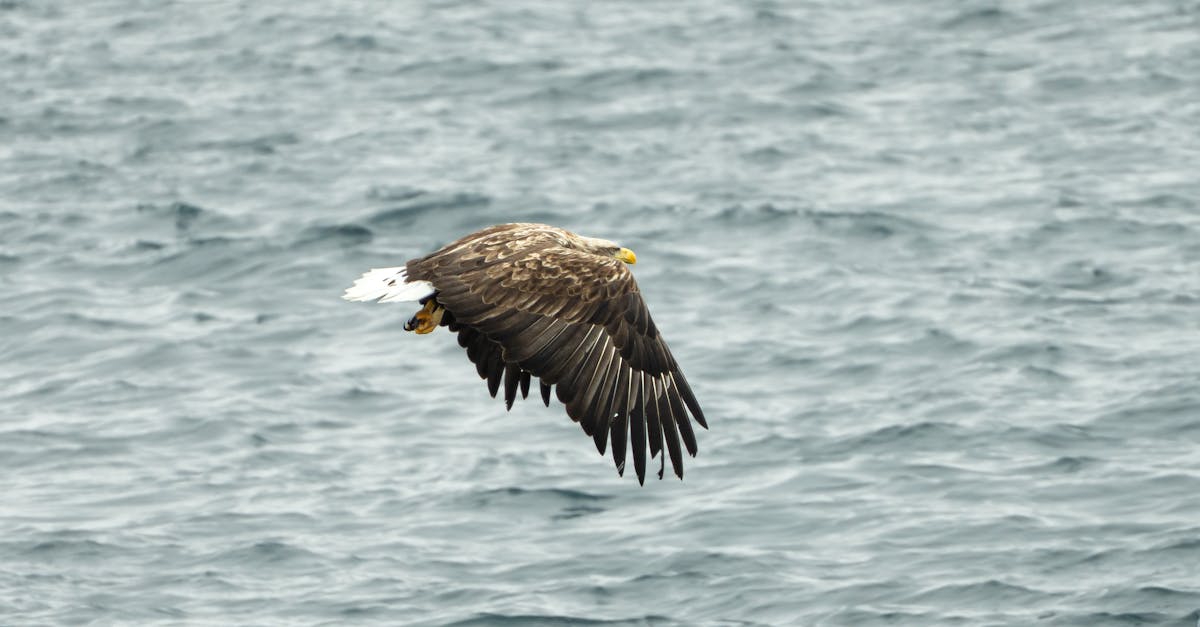
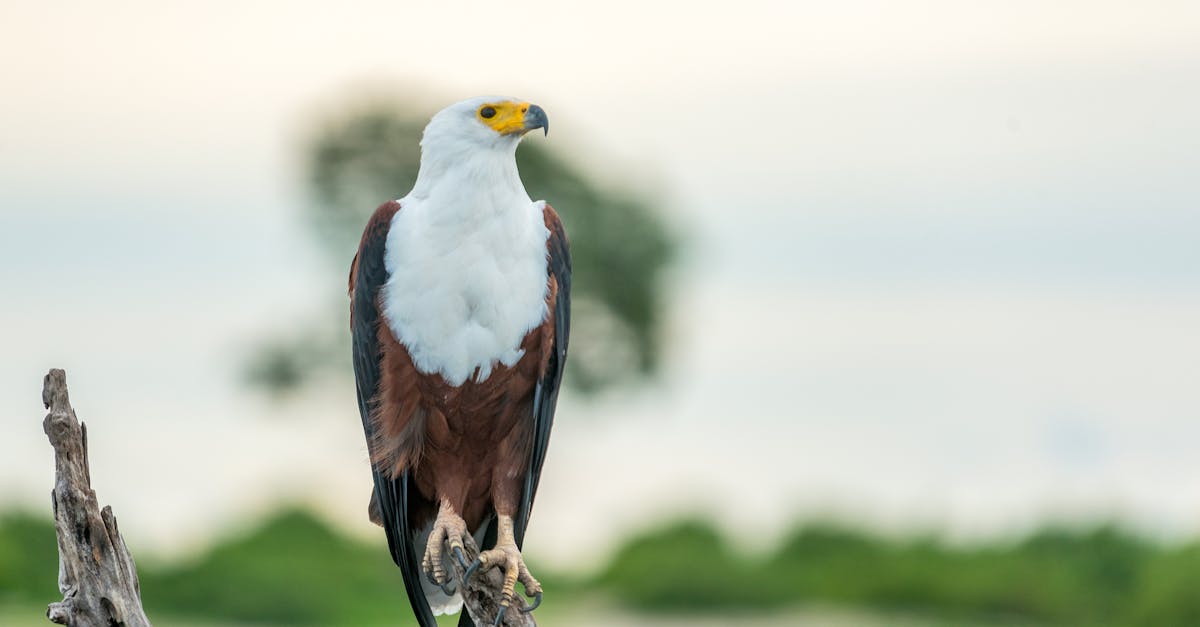
The majestic bald eagle, with its iconic white head and powerful wingspan, stands as a true symbol of American resilience and freedom. While these magnificent raptors can be spotted in various habitats across the contiguous United States, Alaska offers the most spectacular viewing opportunities, particularly during the winter months when thousands congregate along the Chilkat River near Haines. Here, visitors can witness breathtaking scenes of eagles diving for salmon amidst snow-capped mountains, creating a wildlife spectacle that is unmatched anywhere else on Earth. For those traveling to the lower 48 states, prime locations include the Chesapeake Bay in Maryland, where the largest population resides, and the Everglades in Florida, offering chances to see them soaring over wetlands teeming with life.
To ensure an ethical and rewarding experience, it is essential to maintain a respectful distance from these protected birds using binoculars or telephoto lenses, as federal laws strictly prohibit disturbing their nesting sites. Many national parks and wildlife refuges offer guided boat tours and ranger-led programs designed to educate tourists about eagle conservation success stories while providing optimal viewing angles without causing stress to the animals. Whether you are standing on the icy banks of an Alaskan river or kayaking through the serene marshes of Virginia, spotting a bald eagle in flight provides a profound connection to the wild spirit of the nation, reminding us all of the importance of preserving these natural treasures for future generations.
 This photo was taken by John Allan Kondwani Zabula on Pexels.
Encounters in the Wild: Tracking Bears in Yellowstone and Alaska
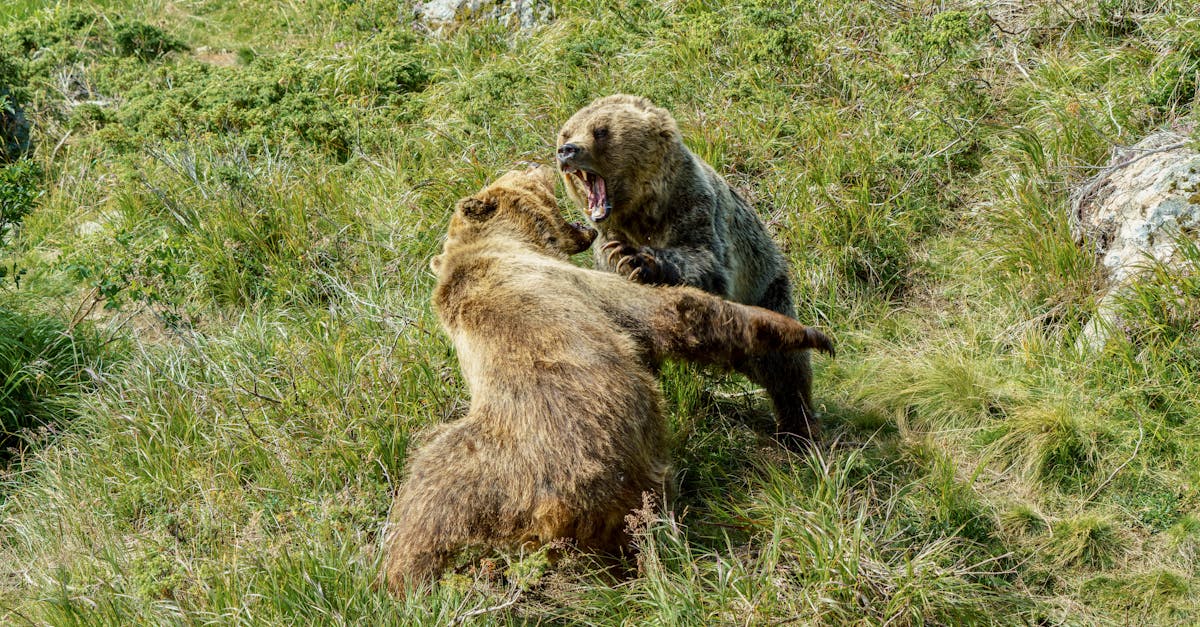
When venturing into the vast wilderness of Yellowstone National Park or the rugged expanses of Alaska, tracking bears offers an unparalleled glimpse into the life of these majestic creatures. In Yellowstone, visitors often spot grizzly bears foraging along riverbanks in early summer, their powerful forms silhouetted against the backdrop of towering peaks and lush meadows. Similarly, Alaska's Katmai National Park provides a dramatic stage where brown bears gather to catch salmon during the spawning season, creating a spectacle of raw nature that captivates photographers and naturalists alike. While observing these encounters, it is crucial to maintain a safe distance and follow park regulations, ensuring that both humans and wildlife remain undisturbed in their natural habitat.
Beyond the thrill of spotting a bear, these expeditions deepen one's appreciation for the delicate balance of North American ecosystems. Whether you are hiking through dense forests in Denali or cruising the waters of Kenai Fjords, the presence of bears signifies a thriving environment rich with biodiversity. These animals serve as indicators of ecological health, reminding us of the importance of conservation efforts across the United States. By respecting their space and learning from experienced guides, tourists can witness these magnificent beings in action without compromising safety, turning a simple wildlife watch into a transformative journey that fosters a lifelong connection to the wild.
 This photo was taken by Susanne Jutzeler, suju-foto on Pexels.
Coastal Giants: Best Locations for Whale Watching on Both Coasts
On the West Coast, the Pacific Ocean offers some of the most spectacular whale-watching experiences in the world, particularly along the California coastline. From late December through April, millions of Gray Whales migrate southward from Alaska to the warm lagoons of Baja California, making their passage predictable and thrilling for observers in places like Monterey Bay, Santa Barbara, and La Jolla. During this time, you can often see mothers nursing their calves or whales breaching near shore, while summer months bring humpbacks and blue whales feeding on abundant krill. The East Coast presents a different but equally majestic spectacle, especially in the waters off Cape Cod, Massachusetts, and the coast of Maine. Here, the deep, cold currents of the Gulf of Maine attract massive populations of Humpback, Fin, and Minke whales from May through October, offering visitors a chance to witness these gentle giants in their natural feeding grounds against the backdrop of historic New England lighthouses.
To make the most of your coastal adventure, timing is everything; booking a guided tour with experienced local captains significantly increases your chances of spotting these marine mammals safely and ethically. On both coasts, reputable operators adhere to strict federal guidelines that maintain a respectful distance from the whales, ensuring their behavior remains undisturbed while providing educational commentary about migration patterns and conservation efforts. Whether you are standing on a boat deck in San Diego feeling the salt spray as a 40-ton whale surfaces nearby or watching from the rugged cliffs of Acadia National Park, these encounters create unforgettable memories. Beyond the whales themselves, these trips often reveal a rich ecosystem teeming with seabirds, seals, and dolphins, completing the ultimate wildlife viewing experience across America's diverse oceans.
 This photo was taken by Erik Mclean on Pexels.