Wildlife Watching: Where to See Bears, Eagles, and Whales
 This photo was taken by Marcel Biegger on Pexels.
From the rugged coastlines of the Pacific Northwest to the misty peaks of the Smokies, the United States offers some of the most breathtaking wildlife encounters on Earth. Whether you dream of witnessing a massive brown bear catching salmon in Alaska, spotting majestic bald eagles soaring overhead, or seeing humpback whales breach off the California coast, this guide is your ultimate companion for nature's grandest show. Join us as we explore the top destinations where you can safely and responsibly encounter these incredible creatures in their natural habitats.
Alaska's Wild Frontier: Spotting Brown Bears and Bald Eagles
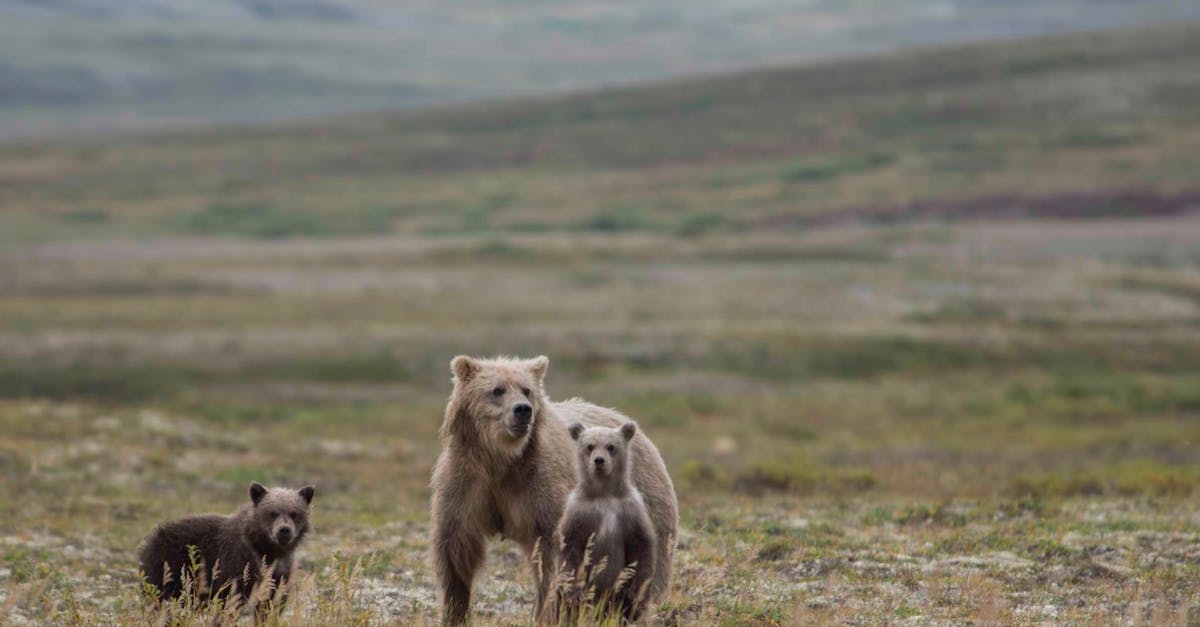
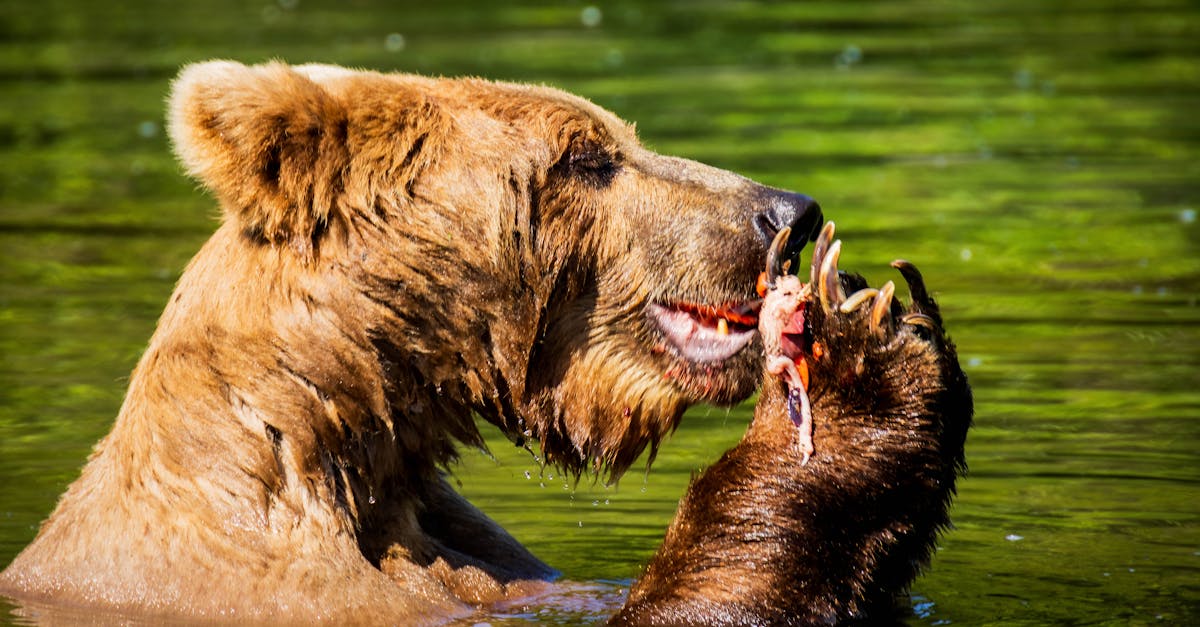
Alaska's vast wilderness offers an unparalleled stage for witnessing nature's most majestic inhabitants, particularly in the coastal rainforests of Katmai and Kodiak. Here, massive brown bears gather along rushing rivers during the salmon run, their powerful forms a testament to the region's raw abundance. Visitors can observe these gentle giants from safe distances on guided boat tours or specialized viewing platforms, often watching them skillfully catch leaping fish with their bare paws. The air is thick with anticipation as the bears work tirelessly to fatten up before the long winter sleep, providing photographers and wildlife enthusiasts with unforgettable moments of pure, untamed behavior.
Soaring high above this dramatic landscape are the iconic bald eagles, Alaska's national symbol and a common sight against the backdrop of snow-capped mountains and deep blue waters. These magnificent raptors, with their distinctive white heads and broad wingspans, nest in towering spruce trees near riverbanks and lakeshores, often sharing the ecosystem with the very bears below. Early morning excursions by kayak or small plane offer the best vantage points to spot eagles diving for prey or engaging in aerial displays that showcase their incredible agility. Whether you are tracking them from the water or observing them from the shore, the synergy between these apex predators creates a living tapestry of survival and beauty unique to America's Last Frontier.
 This photo was taken by Lamont Mead on Pexels.
The Pacific Coast: A Whale-Watching Spectacular from California to Washington
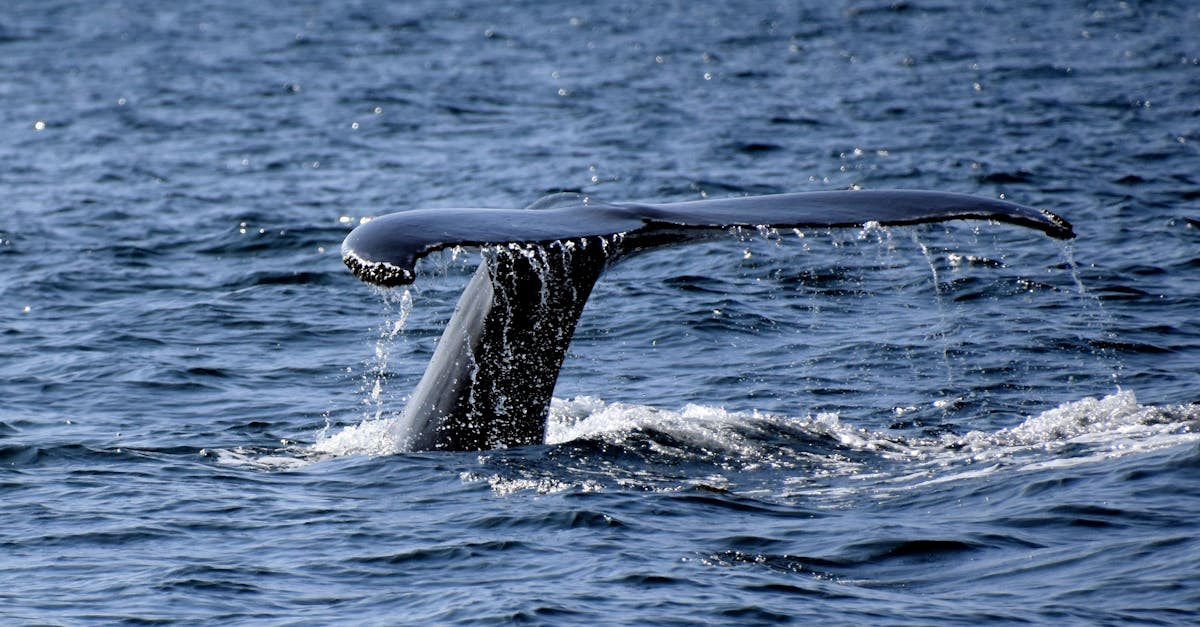
Stretching along the rugged shoreline from the sun-drenched cliffs of Big Sur to the misty fjords of Olympic National Park, the Pacific Coast offers one of North America's most dramatic wildlife spectacles. During the winter and early spring months, millions of gray whales embark on their epic migration, traveling thousands of miles from the freezing Arctic to the warm lagoons of Baja California, with prime viewing opportunities right off the coast of California, Oregon, and Washington. Whether you are standing on a rocky outcrop in Monterey Bay or cruising aboard a vessel launched from La Push, the sight of these gentle giants breaching the surface or spouting water into the crisp air creates an unforgettable connection with nature that is unique to this vast stretch of ocean.
While the majestic whales take center stage during their seasonal passage, the coastal waters also teem with other marine life, including humpbacks, orcas, and the occasional blue whale, making this region a year-round destination for marine enthusiasts. Beyond the water's edge, the temperate rainforests and dense coastal bluffs provide a sanctuary for bald eagles soaring overhead and black bears foraging near river mouths, creating a rich tapestry of biodiversity that defines the Pacific Northwest and Northern California. This convergence of land and sea not only supports diverse ecosystems but also invites travelers to witness the raw power and grace of America's wild creatures in some of the most pristine and breathtaking landscapes the country has to offer.
 This photo was taken by Jeffrey Eisen on Pexels.
Great Smoky Mountains: Encountering Black Bears in America's Most Visited National Park
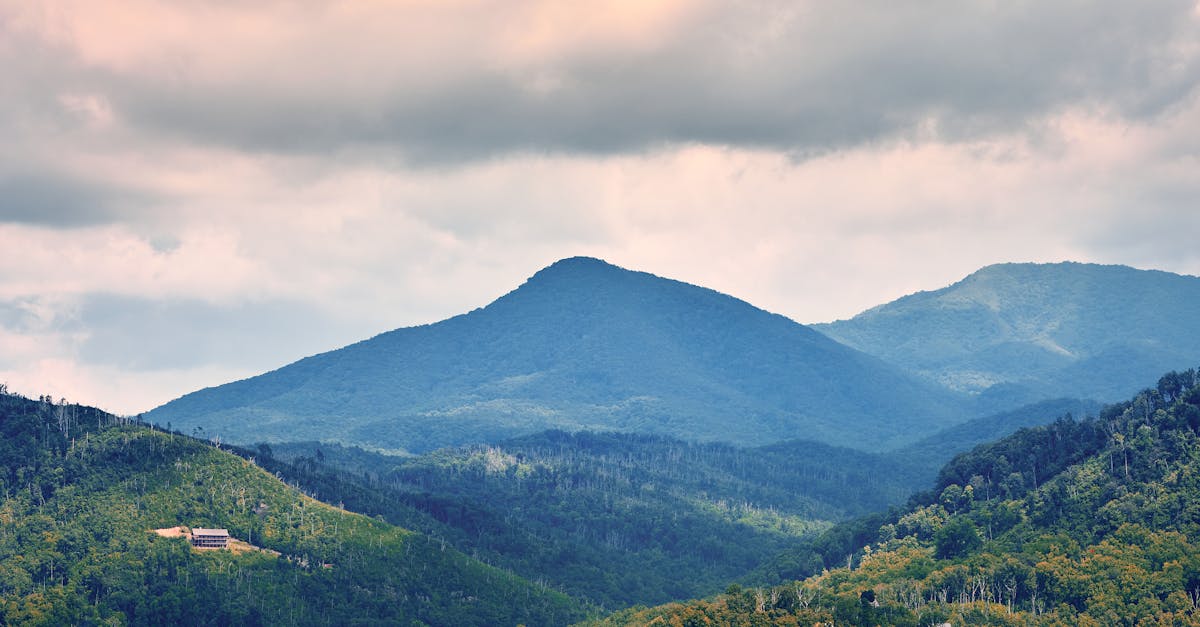
As the most visited national park in the United States, the Great Smoky Mountains offers a unique opportunity to encounter black bears in their natural habitat without the need for specialized safaris or guided tours. These elusive creatures are frequently spotted along the park's many hiking trails, particularly at dawn and dusk when they are most active, though visitors often find them foraging near roadside pull-offs or in meadows during the day. To ensure a safe and respectful experience, it is crucial to maintain a distance of at least 50 yards, never attempt to feed them, and always store food securely in bear-proof containers provided at campgrounds to avoid habituating these wild animals to human presence.
While the park's dense forests provide excellent cover for black bears, making sightings somewhat unpredictable, certain locations like Clingmans Dome and Cades Cove offer higher probabilities of observation due to their open vistas and abundant food sources. Cades Cove, in particular, is renowned for its wildlife viewing opportunities where you might witness a mother bear with her cubs or a solitary adult moving through the historic cabins and fields that dot this scenic valley. By adhering to park regulations and practicing responsible tourism, visitors can contribute to the conservation of these magnificent mammals while enjoying one of America's premier wilderness experiences right here in the heart of Tennessee and North Carolina.
 This photo was taken by Brayden Gale on Pexels.