Wildlife Watching: Where to See Bears, Whales, and Eagles
 This photo was taken by Peter Platou on Pexels.
Welcome to the wild heart of America, where the untamed spirit of nature still reigns supreme. From the icy shores of the Last Frontier to the misty forests of the Pacific Northwest and the sun-drenched wetlands of Florida, the United States offers some of the most spectacular wildlife encounters on the planet. Whether you are dreaming of witnessing a grizzly bear fishing for salmon, marveling at a pod of orcas breaching in the open ocean, or spotting a majestic bald eagle soaring above ancient cypress trees, this journey will guide you to the premier destinations for these incredible sightings. Get your binoculars ready as we explore the best places to see bears, whales, and eagles in their natural habitats.
Alaska: The Ultimate Frontier for Bears, Whales, and Bald Eagles
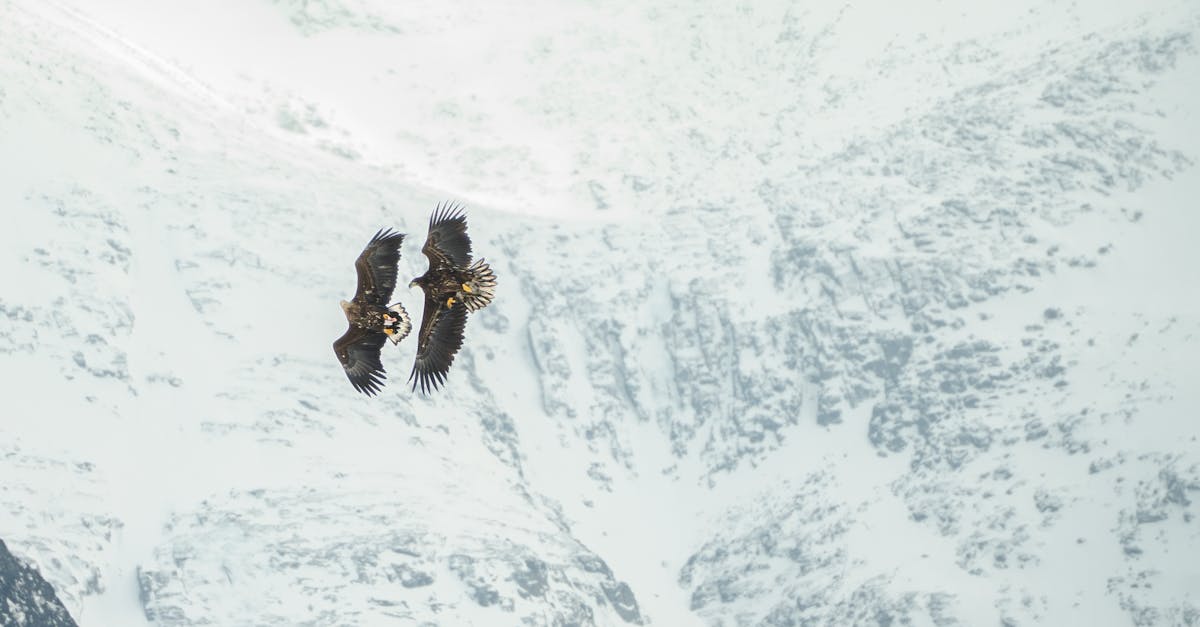
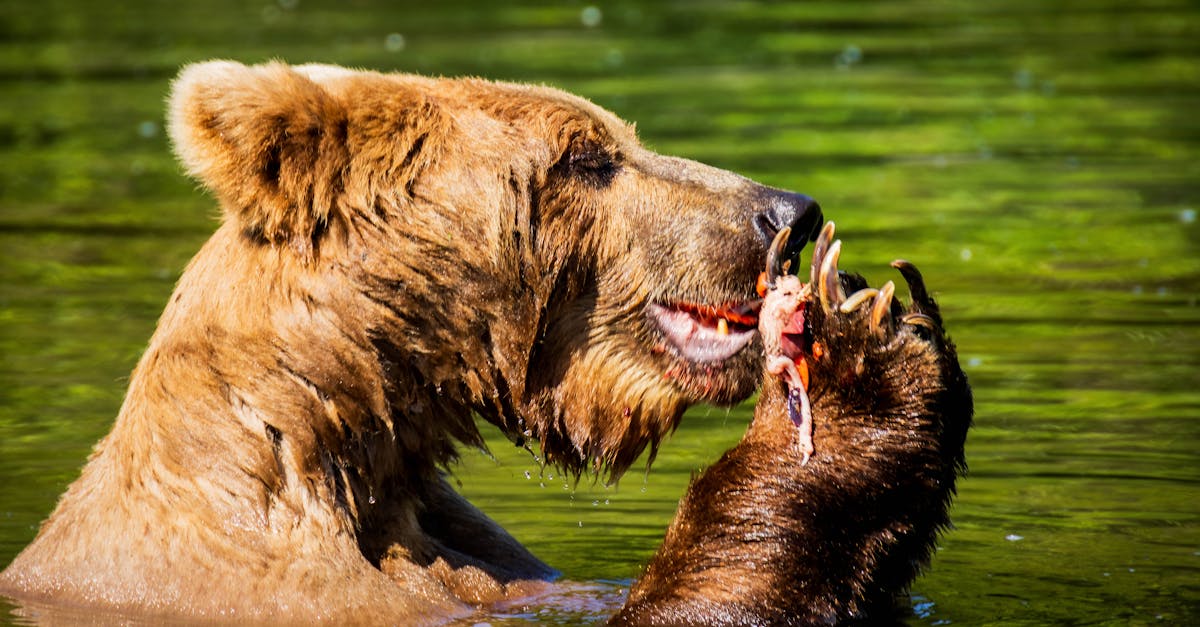
Alaska stands as the crown jewel of American wildlife watching, offering an untamed frontier where nature reigns supreme. In the coastal rainforests of Katmai and Lake Clark National Parks, massive brown bears congregate to catch salmon during the annual run, providing one of North America's most dramatic wildlife spectacles. Meanwhile, the icy waters of Kenai Fjords and Glacier Bay serve as a sanctuary for humpback whales, orcas, and gray whales that migrate through these channels, often breaching just yards from your vessel. The air itself seems alive with the majesty of the bald eagle, the national symbol that thrives in Alaska's vast wilderness, soaring effortlessly above rugged coastlines and dense forests.
To truly experience this ultimate frontier, timing is everything; visiting between June and September aligns your trip with peak migration seasons and active animal behaviors. Whether you are kayaking silently among sea otters and harbor seals in the Inside Passage or embarking on a guided bear-viewing expedition by floatplane, every moment offers a chance to witness raw, unscripted nature. This is not merely sightseeing but an immersive journey into the heart of the wild, where the sheer scale of the landscape and the abundance of iconic species create memories that define the spirit of adventure in the United States.
 This photo was taken by Lamont Mead on Pexels.
The Pacific Northwest: Where Grizzlies Roam and Orcas Play
The Pacific Northwest offers a breathtaking stage for wildlife enthusiasts, where the rugged coastlines of Washington and Oregon meet dense, ancient forests teeming with life. While grizzly bears are primarily found in the northern reaches of Montana and Canada, this region is renowned for its abundant population of black bears and the elusive coastal brown bear, often spotted fishing for salmon along riverbanks in Olympic National Park. Just offshore, the cold, nutrient-rich waters serve as a playground for the majestic orca pods, whose distinctive black-and-white markings glide effortlessly through the Puget Sound and Juan de Fuca Strait during their seasonal migrations, offering unforgettable sightings from guided boat tours.
Beyond the aquatic giants and forest dwellers, the skies above the Pacific Northwest are dominated by the powerful presence of the bald eagle, America's national symbol, which nests in towering Douglas firs and redwoods near waterways year-round. This unique convergence of habitats creates an unparalleled opportunity to observe these three iconic species in their natural environment, whether you are hiking the misty trails of Mount Rainier or cruising the serene waters of the San Juan Islands. With careful planning and respect for conservation efforts, visitors can witness these magnificent creatures thriving in one of North America's most pristine and diverse ecosystems, making it a must-visit destination for any serious nature lover.
 This photo was taken by Erik Mclean on Pexels.
Florida's Everglades: Spotting Eagles Amidst Alligators and Manatees
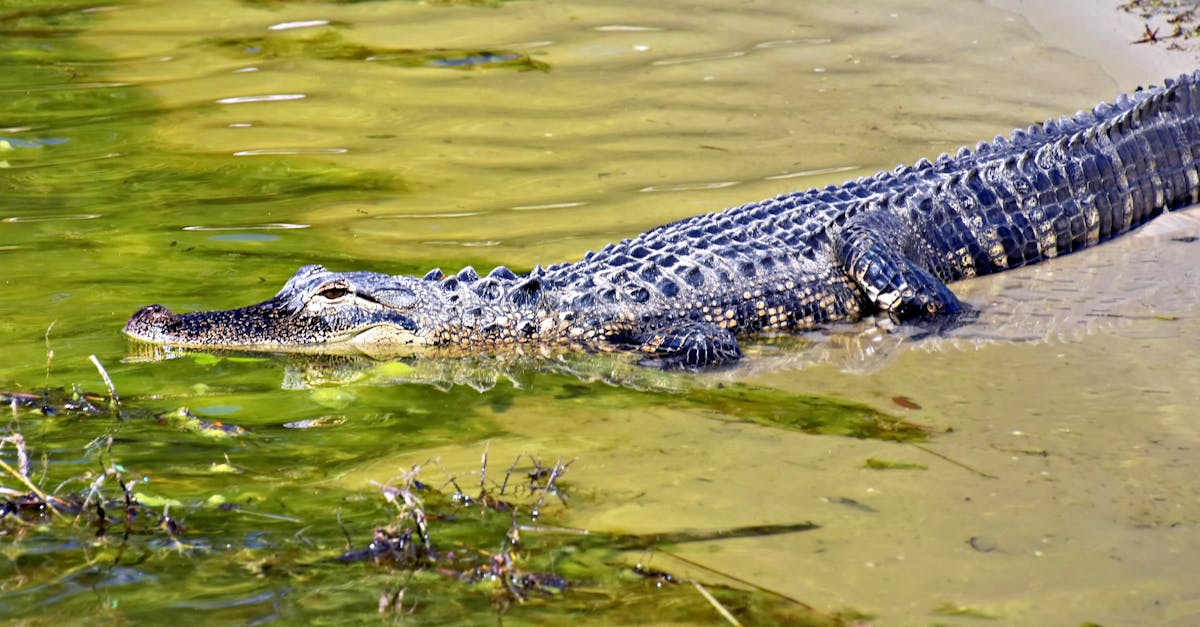
Nestled in the heart of the Sunshine State, Florida's Everglades offers a surreal wetland theater where American bald eagles soar above a labyrinth of sawgrass and cypress domes. While visitors often arrive with their eyes fixed on the iconic alligators basking along the muddy banks or the gentle manatees gliding through crystal-clear springs, these majestic birds of prey are the true aerial sentinels of the ecosystem. Spotting an eagle requires patience and a keen eye for movement against the sky, but the reward is witnessing a predator that has reclaimed its status as a symbol of American resilience, hunting over the very waters where gators lurk and manatees feed.
The best time to observe this delicate balance of life is during the dry season, when water levels recede and wildlife congregates around remaining pools, making sightings significantly more frequent. Guided airboat tours provide the perfect vantage point, allowing you to glide silently through narrow channels without disturbing the natural order, while knowledgeable park rangers can point out nests high in the hammocks or perched on dead trees. Whether you are looking for the white head of an adult eagle or the mottled brown plumage of a juvenile, the Everglades guarantees an unforgettable encounter where three distinct species share a habitat that feels both ancient and vibrantly alive.
 This photo was taken by Jeffrey Eisen on Pexels.