Wildlife Watching: Where to See Bison, Bears, and Whales
 This photo was taken by Parth Patel on Pexels.
Welcome to the heart of America's wild side, where vast landscapes come alive with some of the most iconic creatures on Earth. From the thundering herds of bison roaming the geothermal wonders of Yellowstone and the expansive Great Plains, to the elusive grizzlies stalking the rugged peaks of Glacier National Park and the untamed wilderness of Alaska, our nation offers unparalleled opportunities for wildlife enthusiasts. Whether you are hoping to witness the majestic breaching of whales along the dramatic Pacific Coast or marvel at these gentle giants in the historic waters of New England, this guide will lead you to the very best viewing spots across the United States. Get ready to embark on an unforgettable journey into the great outdoors.
The Majestic Bison of Yellowstone and the Great Plains
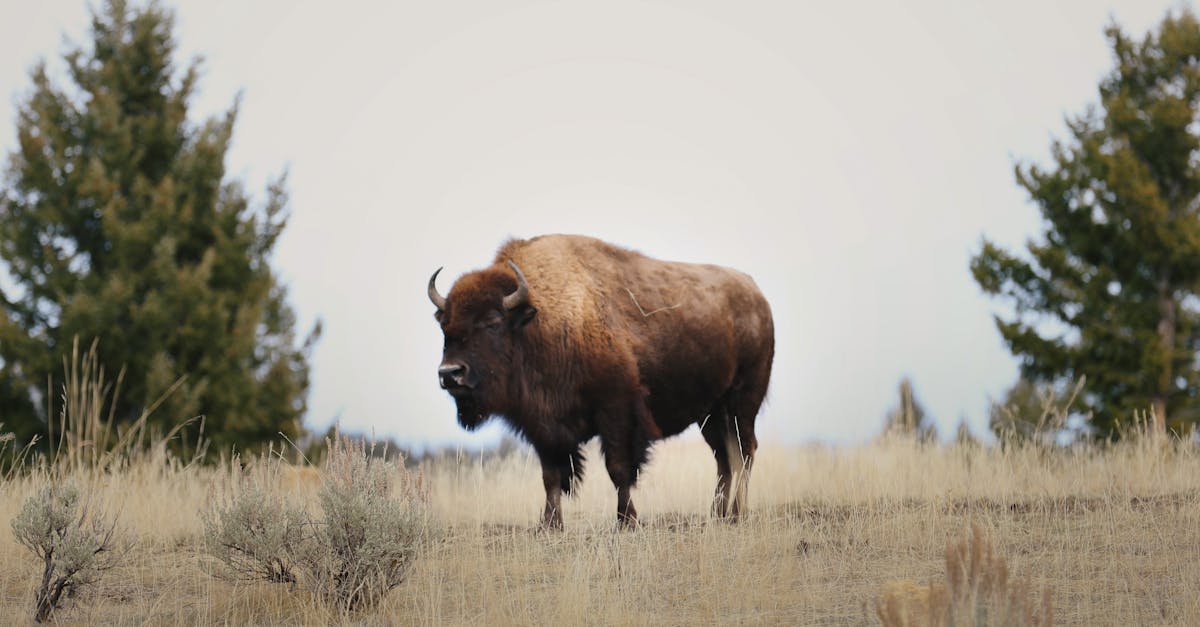
Nothing captures the raw spirit of the American wilderness quite like witnessing a herd of majestic bison roaming freely across the vast, golden grasslands of Yellowstone National Park. As the largest land mammal in North America, these gentle giants command respect and awe, often seen grazing peacefully or lumbering through the Lamar Valley with an air of ancient dignity. While they are iconic to the Great Plains, their presence in Yellowstone offers a unique opportunity to observe them in a protected ecosystem where they play a vital role in shaping the landscape. Visitors should always maintain a safe distance of at least 25 yards, as these seemingly calm animals can be surprisingly swift and unpredictable, making them one of the most thrilling yet respectful encounters for any wildlife enthusiast.
Beyond the park boundaries, the Great Plains stretch endlessly from Canada down to Texas, offering expansive horizons where bison herds continue to thrive in restored prairie environments. States like South Dakota, Montana, and Wyoming host numerous sanctuaries and national preserves that allow tourists to experience the true scale of the historic buffalo herds that once covered these lands in millions. Unlike the dense forests where bears might lurk or the ocean depths where whales swim, the plains provide a sweeping backdrop that emphasizes the freedom and grandeur of these creatures. Whether you are watching them during the misty mornings of early spring or the crisp light of autumn, spotting a bison in this open terrain remains a quintessential American adventure that connects travelers directly to the nation's natural heritage.
 This photo was taken by Daniel Erlandson on Pexels.
Encounters with Bears in Glacier National Park and Alaska
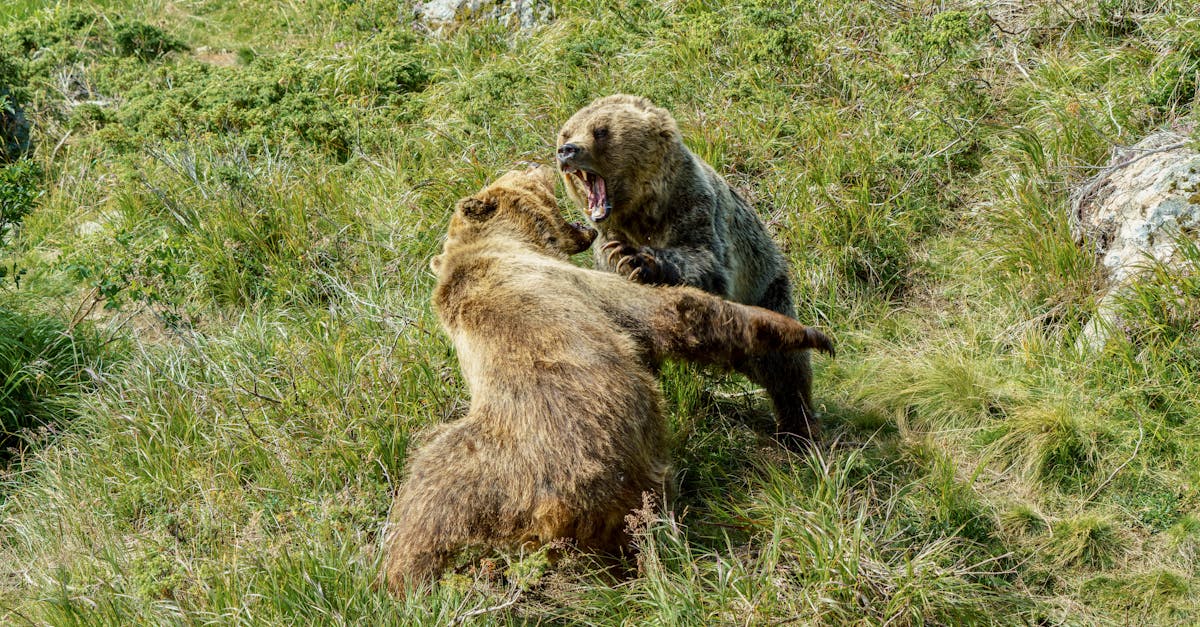
Encountering a bear in the rugged landscapes of Glacier National Park or the vast wilderness of Alaska is a defining moment for any wildlife enthusiast, yet it requires profound respect and caution. In Glacier, grizzly bears are frequently spotted grazing on mountain slopes near Logan Pass or foraging along riverbanks, while black bears roam the dense forests; visitors must always travel in groups, make noise to avoid surprising them, and carry bear spray as an essential safety measure. Similarly, Alaska offers some of the most dramatic bear sightings in North America, particularly at Katmai National Park where brown bears congregate by the thousands to catch salmon during the summer run, creating a spectacle that is both thrilling and humbling. Whether you are observing from a safe distance on a guided boat tour or hiking designated trails, maintaining a respectful distance ensures these magnificent creatures remain wild and unthreatened.
While the thrill of spotting these powerful predators is undeniable, responsible tourism means prioritizing their habitat and your own safety above all else. Both parks enforce strict regulations regarding food storage and campsite hygiene to prevent bears from becoming habituated to human presence, which can lead to dangerous situations. For those seeking a closer look without the risk, professional guides in Alaska often provide specialized kayaking or boat excursions that allow observers to witness bears fishing with minimal disturbance to the animals. By adhering to park guidelines and understanding bear behavior, travelers can contribute to conservation efforts while experiencing one of the most awe-inspiring wildlife encounters available in the United States, ensuring that future generations can also marvel at these iconic icons of the American wilderness.
 This photo was taken by Susanne Jutzeler, suju-foto on Pexels.
Whale Watching: From the Pacific Coast to New England
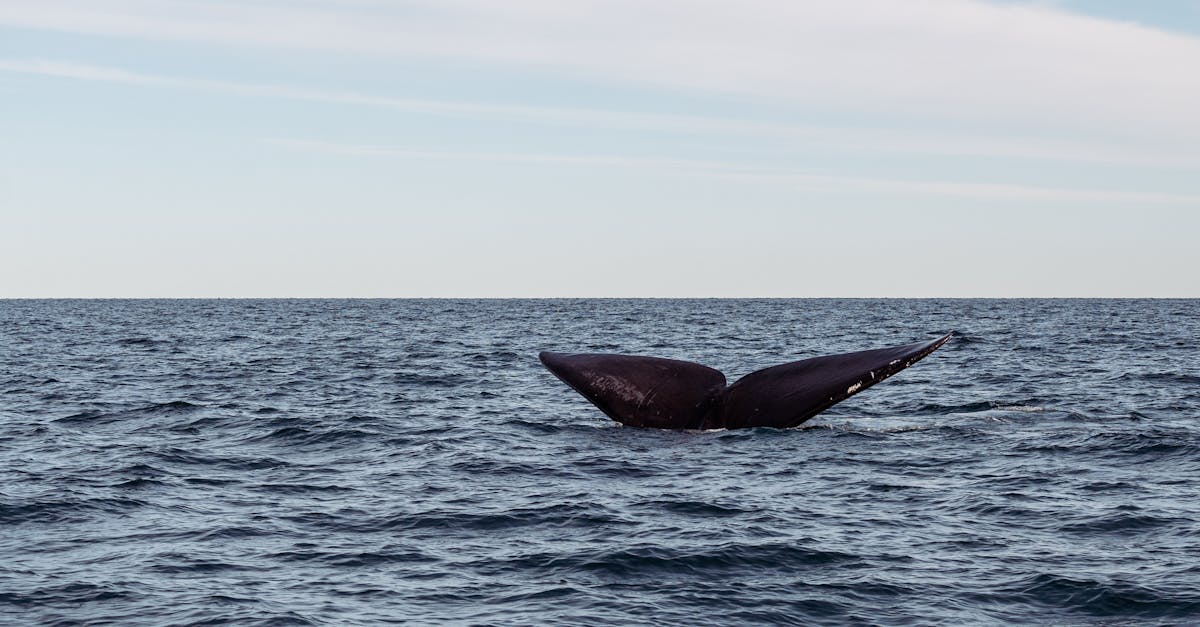
For those seeking the majestic presence of marine giants, the United States offers two distinct yet equally breathtaking whale-watching experiences. On the Pacific Coast, particularly in California and Oregon, the migration of gray whales from late December through April provides a spectacular show as they journey between their Arctic feeding grounds and warm Mexican lagoons. Further north in Washington State, the Puget Sound is a prime habitat for orcas, humpbacks, and fin whales, where boat tours often take visitors deep into the Salish Sea to witness these intelligent creatures hunting and playing in their natural environment.
In stark contrast, the rugged coastline of New England transforms into a bustling hub for whale watching during the summer months, drawing enthusiasts from around the globe to destinations like Cape Cod, Martha's Vineyard, and Bar Harbor. Here, the nutrient-rich waters of the Gulf of Maine attract massive pods of humpback whales, right whales, and the elusive blue whale, the largest animal on Earth. Unlike the long-distance migrations seen on the West Coast, these Atlantic encounters offer an intimate glimpse into the daily lives of whales that feed on abundant krill and small fish, making every excursion a thrilling opportunity to connect with nature's most impressive ocean dwellers.
 This photo was taken by ema reynares on Pexels.